A simple principle is to drink water before meals, which can help regulate appetite and reduce calorie intake. Women should aim for about 2.7 liters of fluids per day, adjusting based on activity levels and climate…
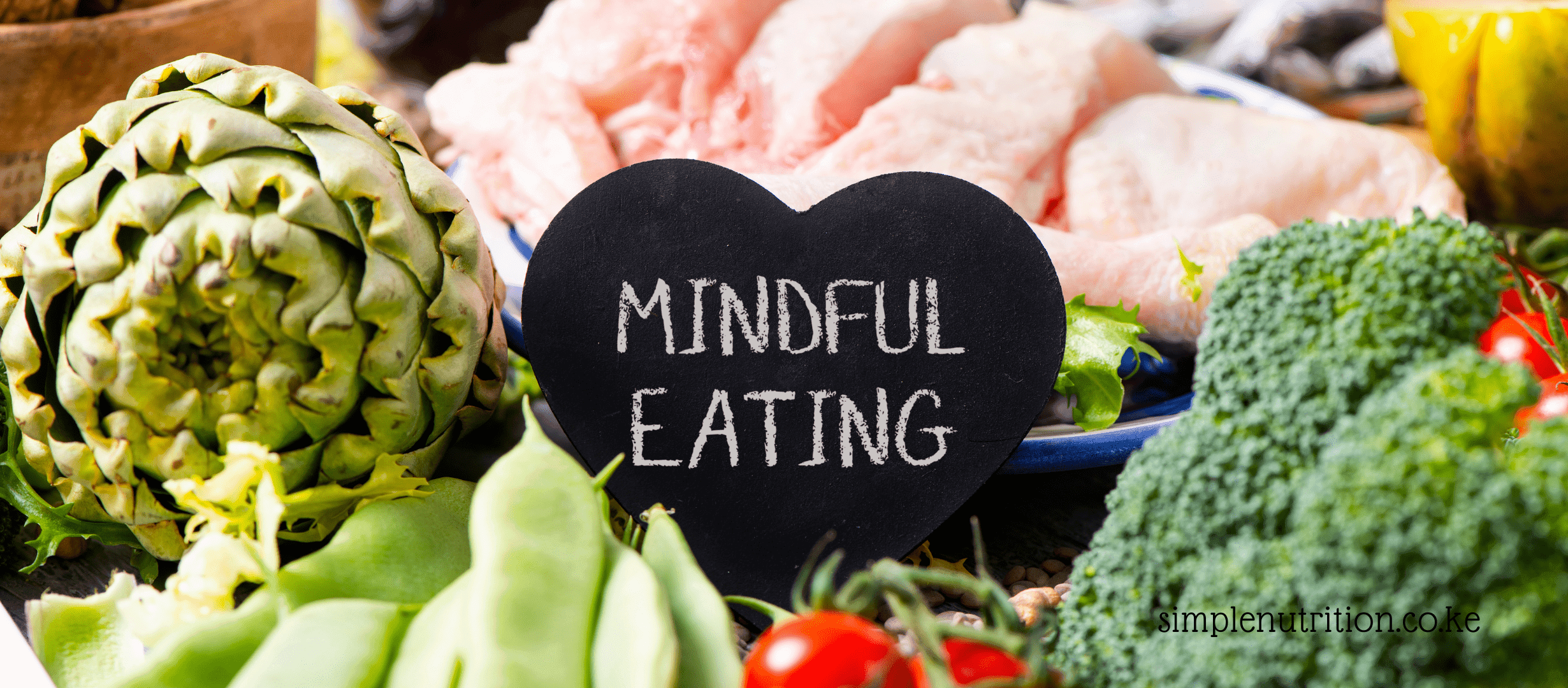
Mindful eating is about slowing down, paying attention to your food, and reconnecting with your body’s natural hunger and fullness cues. In this category, you’ll discover practical tips and simple strategies to help you develop a healthier relationship with food.
Instead of strict rules or restrictive dieting, mindful eating focuses on awareness—how you eat, why you eat, and how food makes you feel. By learning to eat with intention and presence, you can reduce overeating, enjoy your meals more, and support long-term health and well-being.
These articles explore techniques such as listening to your body, managing emotional eating, and creating a more balanced and sustainable approach to nutrition.
A simple principle is to drink water before meals, which can help regulate appetite and reduce calorie intake. Women should aim for about 2.7 liters of fluids per day, adjusting based on activity levels and climate…
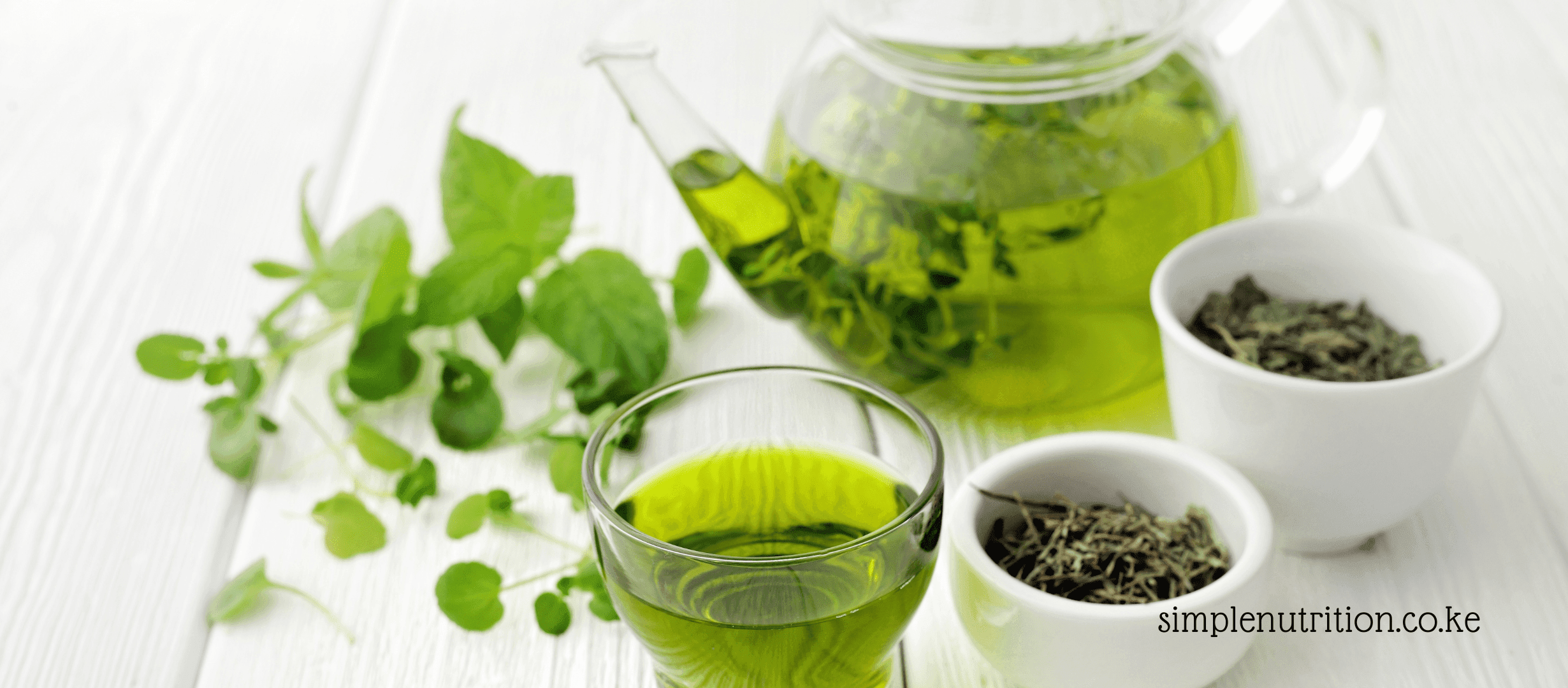
Green tea offers a variety of health benefits due to its rich content of antioxidants, particularly catechins, and other bioactive compounds.
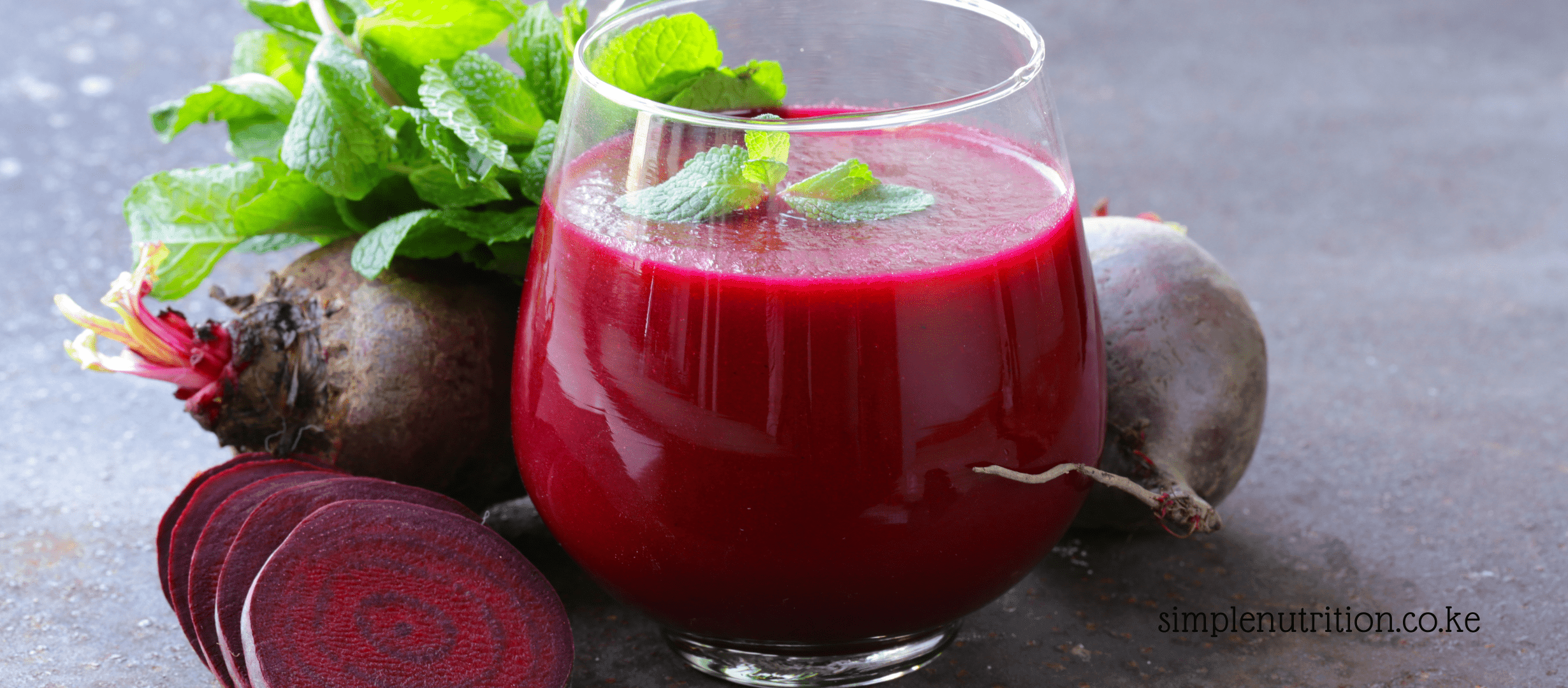
Beetroot is often praised as a natural remedy for anemia, with many people believing it can quickly increase blood levels. While it is a nutritious vegetable, can it really treat anemia, or is this a common nutrition myth? Let’s look at what the science says. Anemia is a condition characterized by a deficiency in the […]
Read More “What are the Healthy BENEFITS of eating “beetroot”?”
Instead of completely avoiding foods you love, enjoy them in moderation. For example, when indulging in a favorite dish like nyama choma (grilled meat), balance it with a generous portion of vegetables such as mukimo (a mashed mixture of green peas, maize, and potatoes)…
Iron supplements are oral medications or dietary products that provide iron, a mineral essential for making haemoglobin, which carries oxygen in red blood cells. They are commonly used to prevent or treat iron deficiency anaemia, a condition caused by low iron levels in the body.
Vegetarians, there are many protein-rich options to choose from. Some great sources of protein include legumes such as lentils, chickpeas, and black beans. Nuts and seeds such as almonds, pumpkin seeds, and chia seeds are also excellent sources of protein. Additionally, soy products like tofu are great vegetarian options with high protein content. Whether you’re […]
Read More “What are the Best protein-rich options for Vegetarians?”
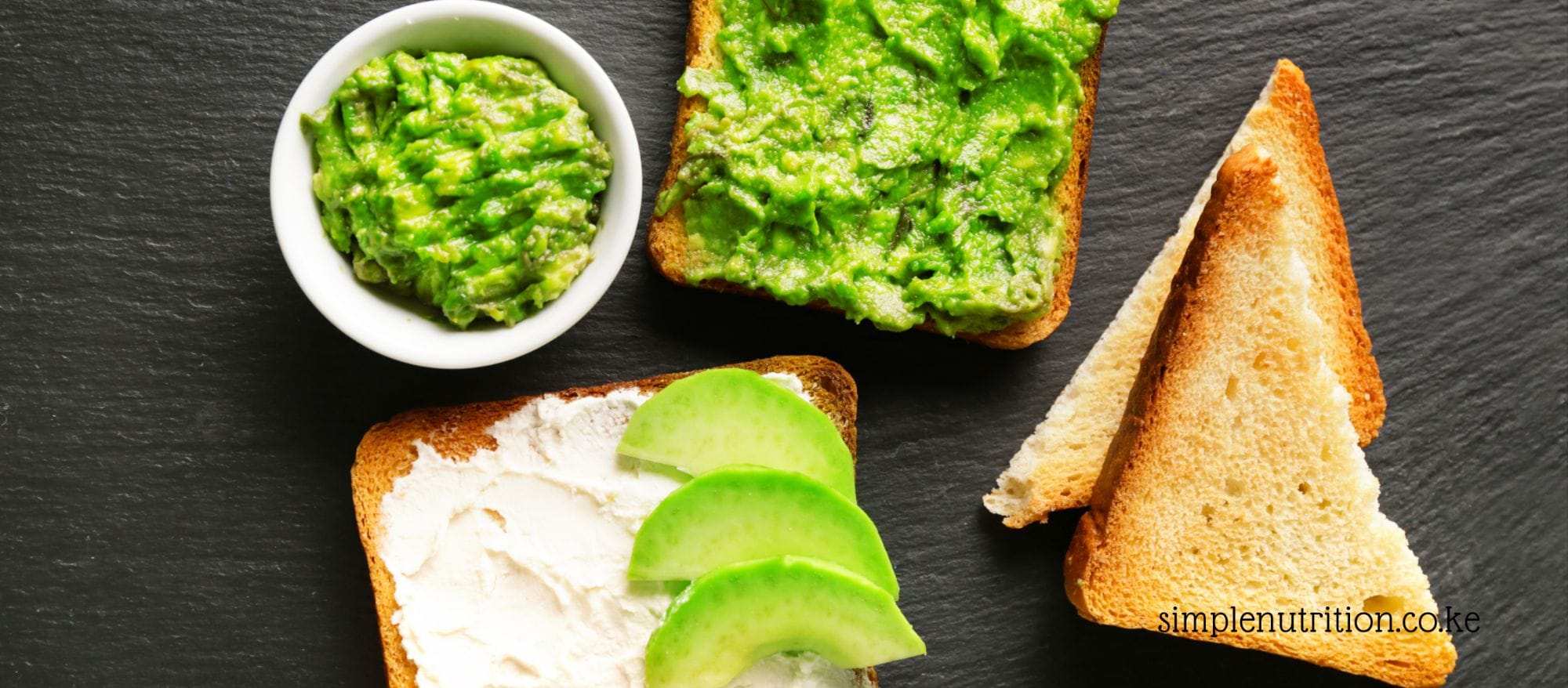
Avocados are high in fiber, both soluble and insoluble. Fiber aids in lowering cholesterol levels, improving blood sugar control, and promoting a healthy digestive system. This can indirectly benefit heart health by reducing the risk of obesity, type 2 diabetes, and metabolic syndrome…
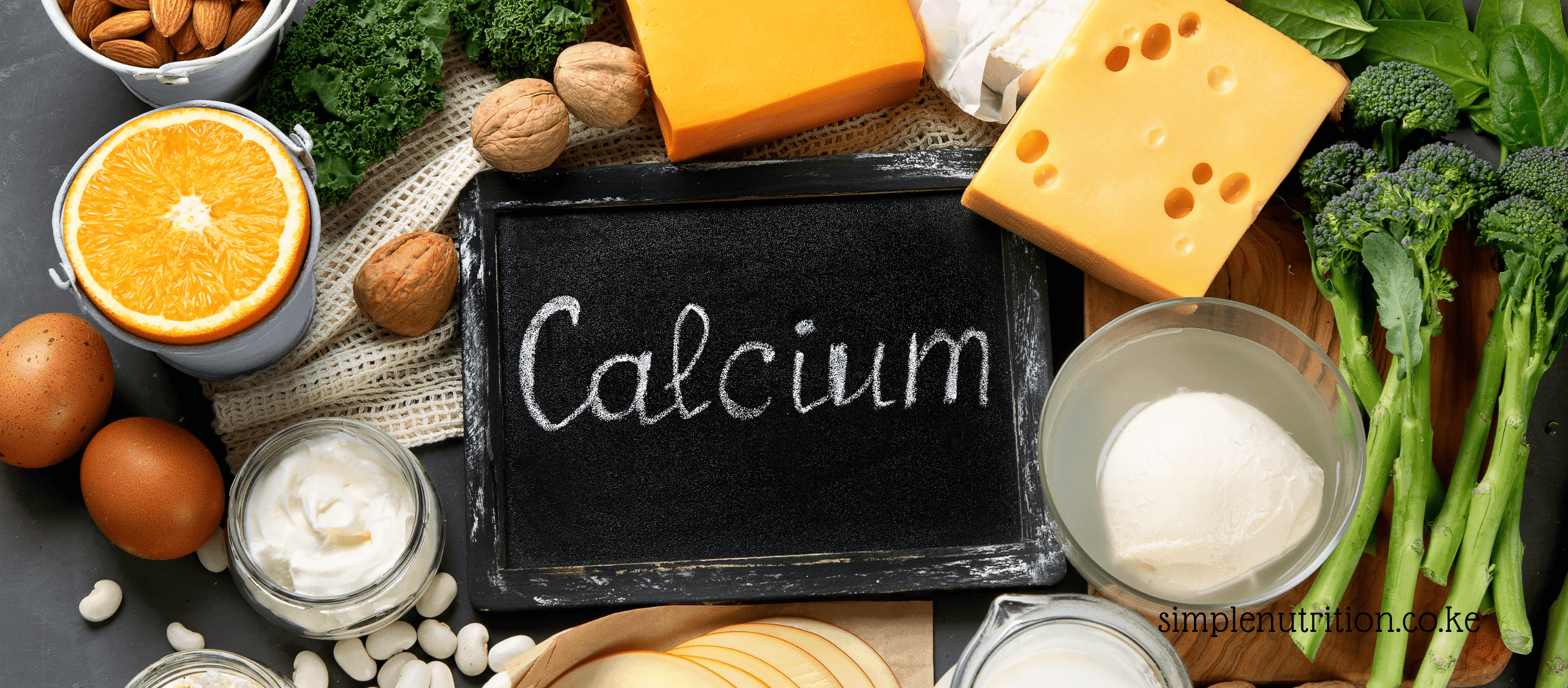
To maximize iron absorption, it’s recommended to consume iron-rich foods separately from calcium-rich foods or supplements. Vitamin C can enhance iron absorption, so pairing iron-rich foods with sources of vitamin C can help reduce any potential interference from calcium.
There have been many discussions around carbohydrates and their importance in our diets. Some people are leaning towards getting more of their calories from carbohydrates while others are going to cut off carbohydrates completely from their diets, in other words making carbohydrates a non-essential part of our daily diets.These are the discussions that have brought […]
Read More “Why Should You Cut Out Carbohydrates From Your Diet?”
The most nutritious way to cook eggs is by boiling or poaching them. These methods don’t require added fats like frying does, helping to keep the calorie count lower…
You must be logged in to post a comment.