
If there’s one nutrition trend that’s worth paying attention to in 2025, it’s fibremaxxing. And no, this isn’t just another fleeting TikTok wellness fad, it’s a simple, science-backed approach that can truly transform your gut health, support weight loss, and boost your overall well-being.
I’ve always believed that the most powerful changes to our health come from small, sustainable habits. Fibremaxxing is one of those habits. It doesn’t require expensive supplements or complicated diets. It’s simply about giving your body more of what it truly needs: dietary fibre.
What Exactly Is Fibremaxxing?
Fibremaxxing is the intentional act of boosting the amount of fibre in your daily meals beyond the bare minimum. While most nutrition guidelines recommend about 25–30 grams per day, many people barely reach half of that. Fibremaxxing aims for around 40–50 grams per day, not through processed products, but by filling your plate with wholesome, plant-based foods.
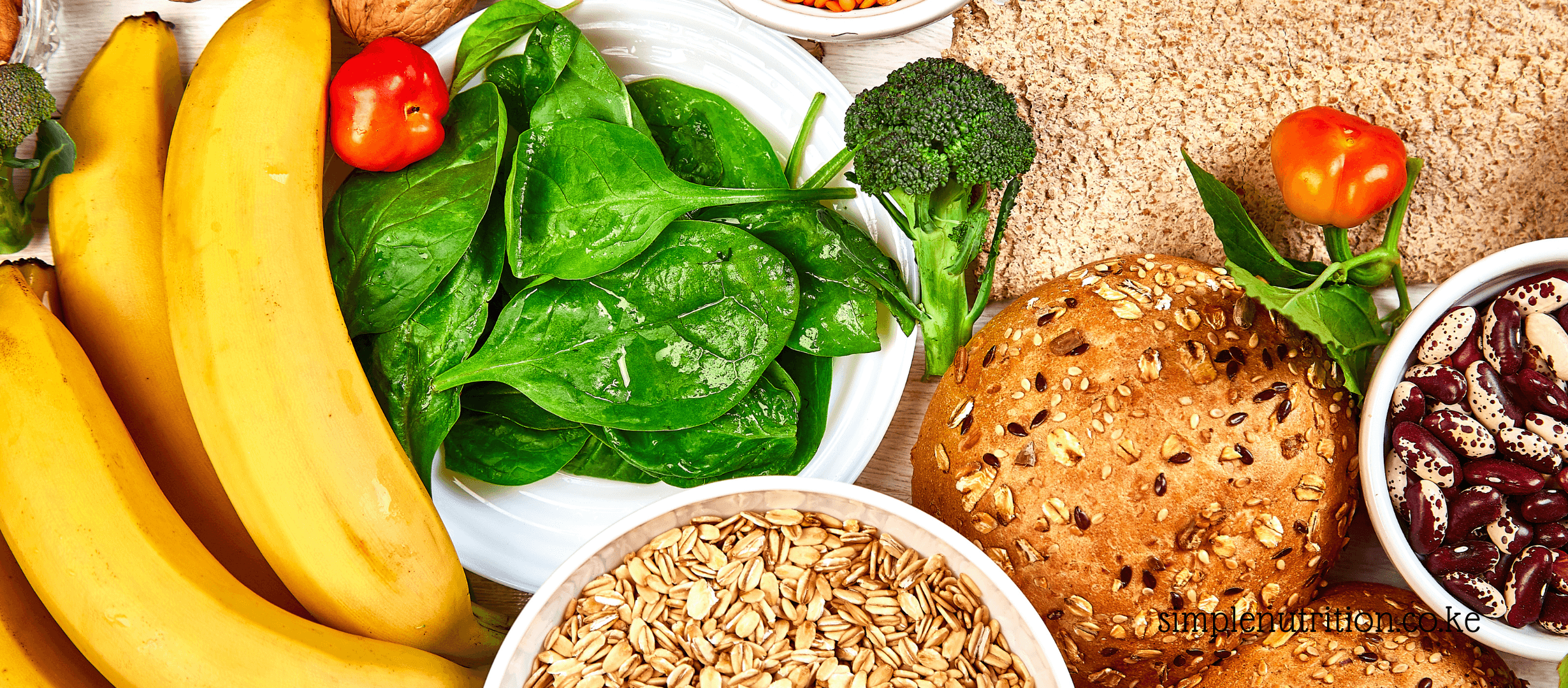
Think beans, lentils, whole grains, fruits, vegetables, seeds, and nuts foods that are not only fibre-rich but also packed with vitamins, minerals, and antioxidants.
This approach is about going back to basics focusing on simple, everyday foods that support your gut and nourish your body naturally.
Why Fibre Is a Game Changer for Gut Health
Here’s the thing: fibre is more than just “roughage” that helps with bowel movements. It plays a crucial role in feeding the beneficial bacteria that live in your gut. These microbes break down fibre and produce short-chain fatty acids (SCFAs), which support digestion, reduce inflammation, strengthen your gut lining, and even influence your mood.
Here’s what happens when you start fibremaxxing:
- Better digestion: Fibre softens and bulks up stool, helping prevent constipation and keep your digestive system moving smoothly.
- A healthier gut microbiome: A diverse range of fibre feeds a wider variety of beneficial gut bacteria.
- Improved blood sugar control: Soluble fibre slows the absorption of sugar, preventing sudden spikes and crashes.
- Stronger heart health: Some types of fibre help lower LDL (bad) cholesterol levels.
- Easier weight management: Fibre keeps you fuller for longer, reducing cravings and overeating.
In fact, if you’ve ever wondered why you feel constantly bloated, sluggish, or hungry even after eating, low fibre might be the missing link.
How to Start Fibremaxxing , With Foods You Already Eat
The beauty of fibremaxxing is that you don’t need fancy “superfoods” or expensive imported products. You can do it with everyday Kenyan foods you probably already have in your kitchen.
Here’s how:
Breakfast
- Swap white bread for whole grain bread or chapati made with whole wheat.
- Add chia seeds or flaxseeds to your porridge.
- Enjoy a fruit bowl with pawpaw, bananas, or mangoes.
Lunch
- Include beans, lentils, or greengrams in your meal.
- Fill half your plate with vegetables like sukuma wiki, spinach, or cabbage.
- Add avocado for extra fibre and healthy fats.
Dinner
- Choose brown rice, millet, or sorghum instead of white rice.
- Add a vegetable-rich stew or legume-based curry.
- Serve with boiled pumpkin or sweet potatoes for more fibre and nutrients.
Snacks
- Snack on nuts, seeds, or roasted chickpeas.
- Go for fresh fruit instead of processed sweets.
A Word of Caution: Go Slow
While fibremaxxing is incredibly beneficial, increasing your fibre intake too quickly can lead to bloating, gas, or stomach cramps. I always recommend starting slow increase your fibre gradually over a few weeks and drink plenty of water.
Your gut needs time to adjust, and staying hydrated will help fibre move smoothly through your digestive system.
A Simple High-Fibre Day – Example Meal Plan
Here’s what a fibremaxxing day could look like with familiar foods:
- Breakfast: Oat porridge with chia seeds and banana (~10 g fibre)
- Snack: Roasted groundnuts (~3 g fibre)
- Lunch: Brown rice with greengrams, sukuma wiki, and avocado (~15 g fibre)
- Snack: Pawpaw slices and an apple (~6 g fibre)
- Dinner: Ugali with bean stew and cabbage (~12 g fibre)
Total: ~46 grams of fibre enough to feed your gut bacteria and support your health from the inside out.
Fibre maxing isn’t about extremes it’s about bringing fibre back to the center of your diet. And when you do, your gut will thank you. You’ll feel lighter, more energized, more balanced, and more in tune with your body’s natural rhythm.
So start small. Add an extra serving of vegetables to your plate, switch to whole grains, and make legumes a regular part of your meals. Over time, these tiny changes add up to a major transformation and a happier, healthier gut.
Related Posts You’ll Love:
5 Principles for Weight Loss That Actually Work
Foods That Will Help You Lose Weight Fast
The Role of Dietary Fibre in Our Diet