
These pathways explain everyday experiences such as why blood sugar rises after meals, why fasting glucose can be high, and why some people feel weak when they skip meals. When understood in context, these terms stop being confusing and start becoming useful tools.
Understanding them begins with the language itself.
Start With the Meaning of the Words
Most metabolic terms are easier than they look once you break them down.
- Glyco or gluco refers to glucose or sugar.
- Genesis means to create or make.
- Lysis means to break down.
Once you understand these roots, each pathway tells you exactly what the body is doing with glucose.
Glycolysis: Using Glucose for Energy
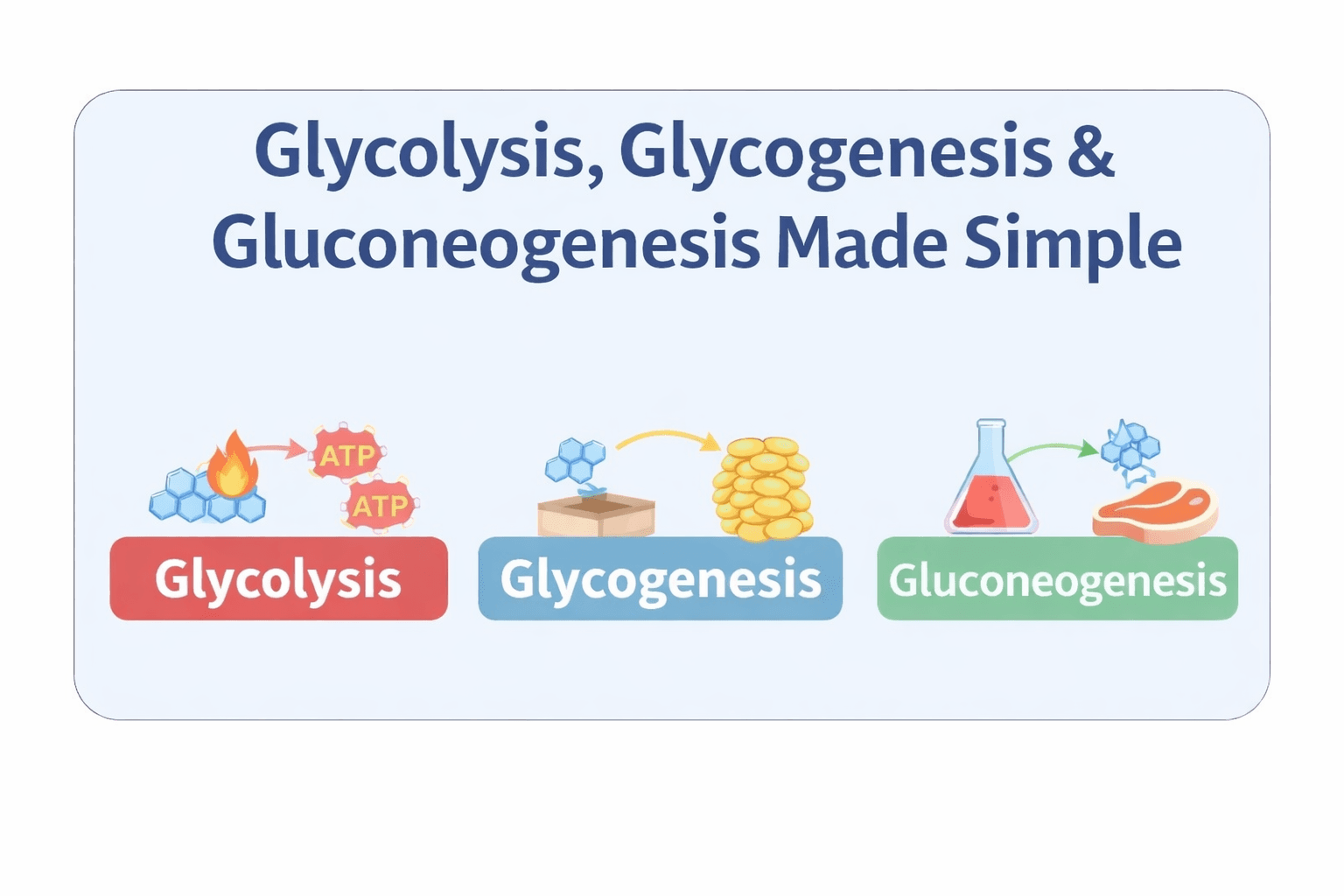
Glycolysis is the process by which the body breaks down glucose to produce energy.
Think of a client who eats a meal containing ugali, rice, or fruit and then goes about their day. The glucose from that meal is immediately used by muscles, the brain, and other organs to provide energy. That is glycolysis in action.
This pathway runs continuously because the body always needs energy. In people with diabetes, glucose may be present in the blood but not efficiently used by cells, which explains fatigue despite high blood sugar levels.
A simple way to remember glycolysis is that glucose is being used.
Glycogenesis
Glycogenesis happens when there is more glucose in the blood than the body needs at that moment.
After a large meal, excess glucose is converted into glycogen and stored in the liver and muscles. This prevents blood sugar from rising too high after eating and creates an energy reserve for later use.
Insulin plays a major role in this process. When insulin action is impaired, as seen in insulin resistance, glycogenesis does not occur effectively, leading to high post-meal blood sugar levels.
You can think of glycogenesis as the body saving glucose for later.
Glycogenolysis
Glycogenolysis is the breakdown of stored glycogen back into glucose.
A practical example is overnight fasting. A person may eat dinner at 7 p.m. and not eat again until morning. During the night, the liver releases glucose from glycogen stores to maintain normal blood sugar levels.
During exercise, muscles also break down their own glycogen to supply energy.
In clinical practice, excessive glycogenolysis contributes to high fasting blood sugar levels in people with poorly controlled diabetes.
This process can be remembered as breaking the glucose store.
Gluconeogenesis
Gluconeogenesis is the production of new glucose from non-carbohydrate sources such as amino acids, glycerol, and lactate.
This pathway becomes important during prolonged fasting, skipped meals, or very low-carbohydrate diets. Once glycogen stores are depleted, the body must create glucose to protect the brain and maintain essential functions.
Clinically, gluconeogenesis explains why blood sugar can remain high in people with diabetes even when carbohydrate intake is low. It also explains why high-protein diets can still influence glucose levels.
You can think of gluconeogenesis as the body making glucose from scratch.
How These Pathways Work Together
The body does not switch these processes on and off one at a time. They operate together, with one pathway becoming dominant depending on whether a person is fed, fasting, or under metabolic stress.
- After eating, glycolysis and glycogenesis are more active.
- Between meals, glycogenolysis maintains blood sugar.
- During prolonged fasting or very low carbohydrate intake, gluconeogenesis becomes more important.
Asking whether a client is fed, fasting, or under stress often explains their blood glucose patterns.
Why This Matters in Clinical Nutrition
These pathways help nutrition professionals explain blood sugar changes clearly and confidently. They guide meal timing, carbohydrate distribution, and realistic dietary recommendations.
More importantly, they allow clinicians to interpret fasting and post-meal readings and provide practical guidance for people living with diabetes, metabolic syndrome, and weight management challenges.
These metabolic terms are not abstract biochemistry concepts. They describe what the body does every day to survive.
Once you connect these processes to real-life situations, they become powerful tools for clinical nutrition practice.