
One of the biggest misconceptions about weight loss is that you need to completely stop eating your favorite foods.
But in reality, many people do not necessarily need to eliminate certain foods — they simply need to improve portion control.
As a nutritionist, I often meet people who are eating relatively healthy foods but still struggling with:
- Weight gain
- Constant snacking
- Overeating
- Bloating
- Difficulty losing belly fat
In many cases, portion sizes are part of the problem.
The good news is that portion control does not mean starving yourself or obsessively counting calories.
It is about learning how to eat enough to nourish your body without consistently overeating.
And the best part? Small changes can make a very big difference over time.
What Is Portion Control?
Portion control means being mindful of how much food you eat at one time.
Even healthy foods can contribute to weight gain when portions are consistently too large.
This does not mean you can never enjoy rice, ugali, chapati, or snacks again.
The goal is balance — not restriction.
Healthy eating should feel realistic and sustainable.
Why Portion Sizes Matter
Many modern meals are much larger than what the body actually needs.
Oversized portions can lead to:
- Excess calorie intake
- Weight gain
- Sluggishness
- Blood sugar spikes
- Increased cravings
- Digestive discomfort
Sometimes people think they have a “slow metabolism,” when in reality they are regularly eating portions that are too large for their activity level.
Portion awareness can help improve:
- Weight management
- Energy levels
- Hunger control
- Blood sugar balance
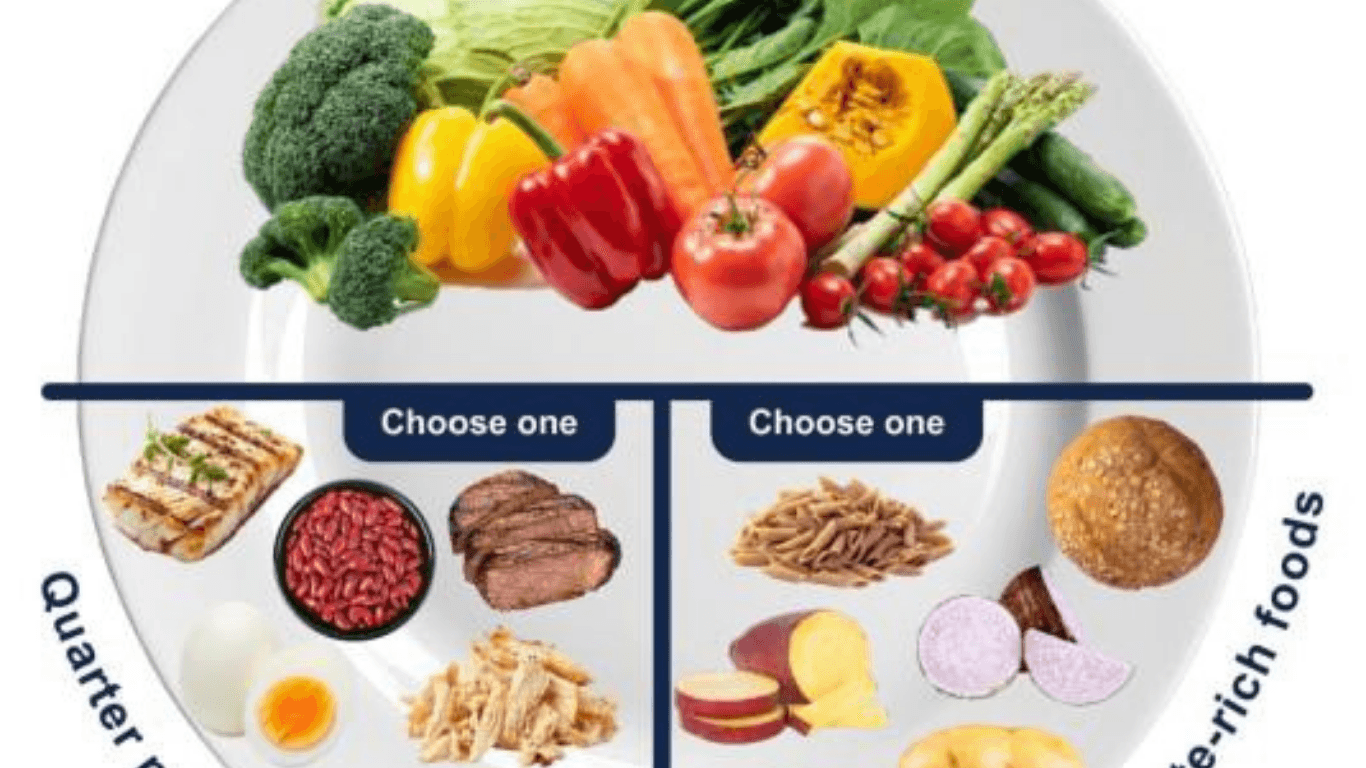
1. Use the Plate Method
One of the easiest ways to manage portions is by balancing your plate visually.
A simple guide is:
- Half the plate: vegetables
- Quarter of the plate: protein
- Quarter of the plate: carbohydrates
For example:
- Sukuma wiki + chicken + ugali
- Vegetables + beans + rice
- Salad + fish + sweet potatoes
This approach helps naturally reduce overeating while still keeping meals satisfying.
2. Slow Down While Eating
Many people eat too quickly without realizing it.
When you eat very fast:
- It becomes easier to overeat
- Your brain has less time to register fullness
- You may continue eating even after your body is satisfied
Try these habits:
- Chew slowly
- Put your spoon down between bites
- Avoid rushing meals
- Eat without distractions when possible
Eating more mindfully can significantly improve portion control.
3. Do Not Skip Meals
Skipping meals often leads to extreme hunger later in the day.
And when people become overly hungry, portion control becomes much harder.
This can lead to:
- Large evening meals
- Excess snacking
- Cravings for sugary foods
- Emotional eating
What helps instead
Aim for balanced meals that include:
- Protein
- Fiber
- Healthy fats
Balanced meals help you stay fuller for longer and reduce the urge to overeat.
4. Be Careful With Liquid Calories
Many drinks contain more calories and sugar than people realize.
Examples include:
- Soda
- Sweetened tea
- Juice
- Milkshakes
- Specialty coffee drinks
Liquid calories are easy to consume quickly and often do not provide lasting fullness.
Better options
- Water
- Unsweetened tea
- Sparkling water
- Infused water
- Smaller portions of sugary drinks
Even small drink changes can support weight management.
5. Avoid Eating Directly From the Package
It is very easy to lose track of portions when eating directly from:
- Chip packets
- Biscuit boxes
- Ice cream containers
- Nut jars
What starts as “just a little” can quickly become much more.
What to do instead
Serve snacks into a small bowl or plate first.
This simple habit increases awareness and helps prevent mindless overeating.
6. Learn the Difference Between Hunger and Cravings
Not all hunger is physical hunger.
Sometimes people eat because they are:
- Bored
- Stressed
- Emotional
- Tired
- Habitually snacking
Before eating, ask yourself:
“Am I truly hungry, or am I eating for another reason?”
This small pause can help improve eating awareness.
7. Prioritize Protein and Fiber
Protein and fiber are two of the most important nutrients for fullness.
Meals low in protein or fiber often leave people hungry again very quickly.
Protein examples
- Eggs
- Beans
- Chicken
- Fish
- Greek yogurt
- Lentils
Fiber examples
- Vegetables
- Fruits
- Oats
- Whole grains
- Beans
These foods help slow digestion and improve satisfaction after meals.
8. You Do Not Need Perfect Portion Control
Many people give up on healthy eating because they think they must be perfect.
But sustainable weight loss is not about perfection.
It is about building realistic habits that you can maintain consistently.
Some days your portions will be larger.
Some days you will eat treats.
That is normal.
Healthy eating should support your life — not control it.
Portion control does not mean eating tiny meals or depriving yourself.
It means learning how to nourish your body with balanced amounts of food while still enjoying what you eat.
Small habits like:
- Eating more slowly
- Balancing your plate
- Including protein and fiber
- Avoiding mindless snacking
can make a significant difference over time.
Remember, sustainable changes usually work better than extreme diets.
And often, the simplest habits are the ones that last the longest.