Top 5 Unhealthy Snacks to Avoid if You Have Diabetes.
Grab these Important Portion Control Tips!
This is Why you should be Eating your Vegetables First.
Weight loss: How to lose weight as a Diabetic individual.
This is Why Your Weight Won’t Go Down
Intermittent Fasting For Weight Loss.
Posted in: Weight Loss

Intermittent Fasting For Weight Loss.

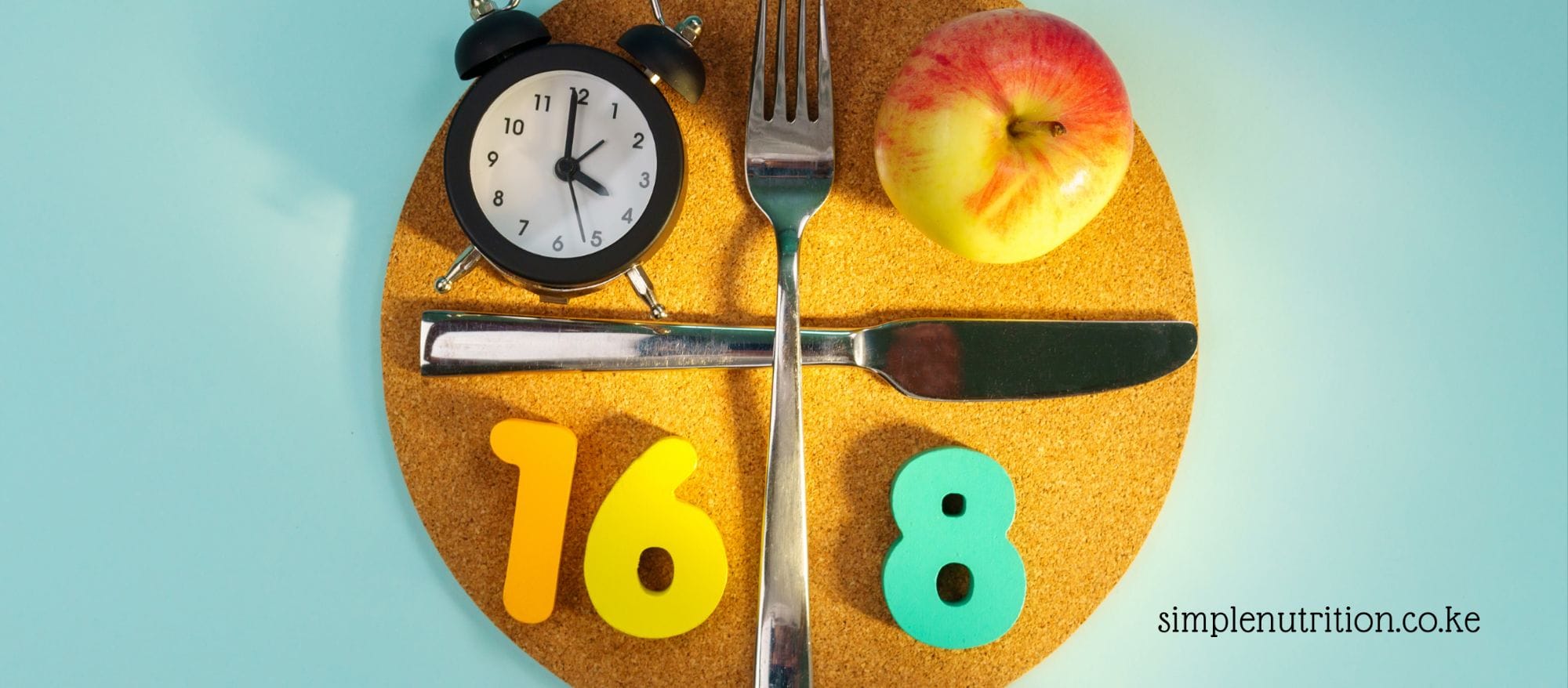
Intermittent Fasting involves alternating periods of eating and fasting, offering health benefits like weight loss, improved heart health, and control over diseases such as diabetes. Guidelines suggest choosing a personal fasting schedule, like the popular 16:8 method, eating healthily, and avoiding overindulgence post-fasting. It may not be suitable for everyone, including children with type 1 diabetes and pregnant women, and consulting a doctor beforehand is crucial.

“Don’t blame meat for what bread did” weight gain”
Posted in: Healthy Eating, Weight Loss

“Don’t blame meat for what bread did” weight gain”

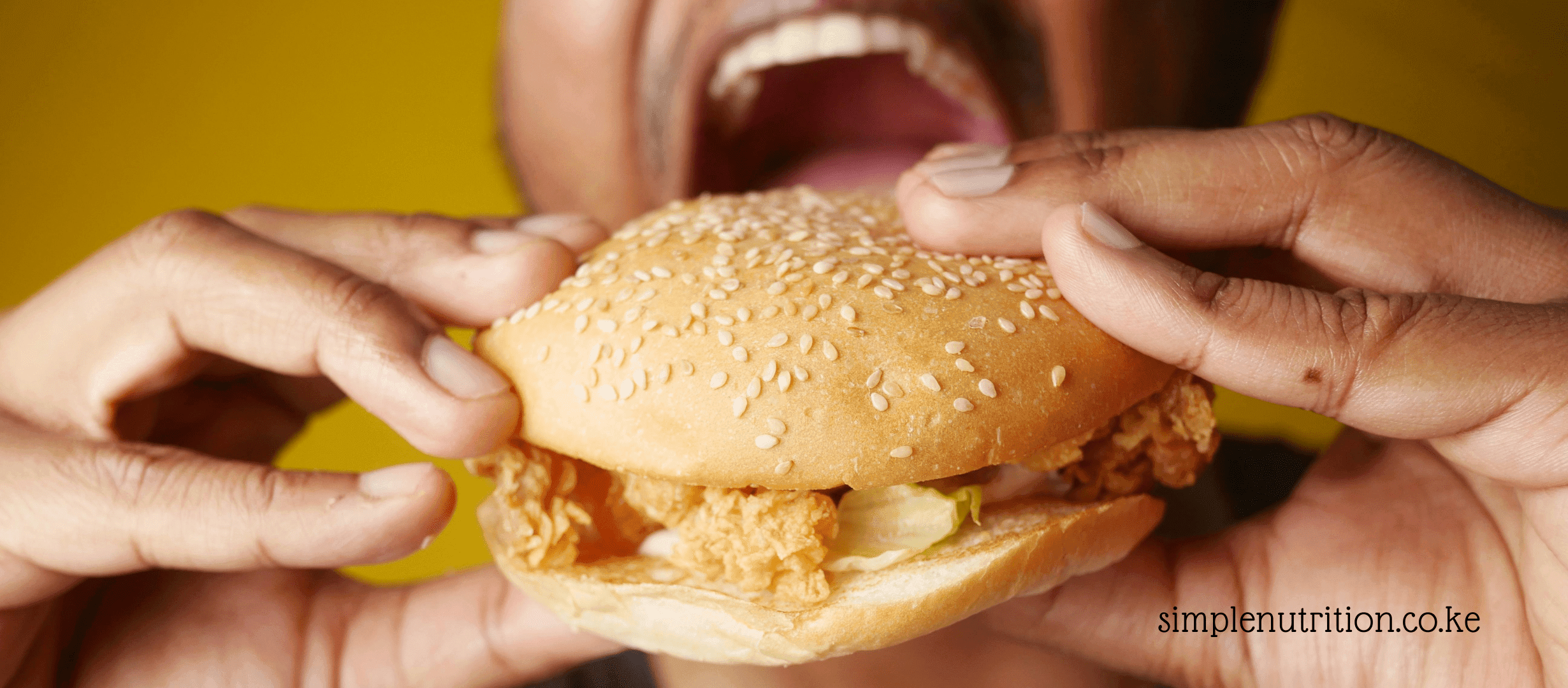
Consistent consumption of beef burgers can lead to weight gain, with both the refined carbs in the bun and the meat potentially culpable. Refined carbs cause rapid blood sugar spikes, insulin resistance, and obesity, particularly due to their high glycemic index and lack of fiber. The Ketogenic diet emphasizes low-carb, high-fat intake, suggesting fats and protein as better energy sources for weight loss. However, too much-saturated fat from meats can increase heart disease risks, so it’s vital to balance diet with nutrient-rich carbs like fruits and vegetables and be mindful of portion sizes and physical activity for healthy weight management.

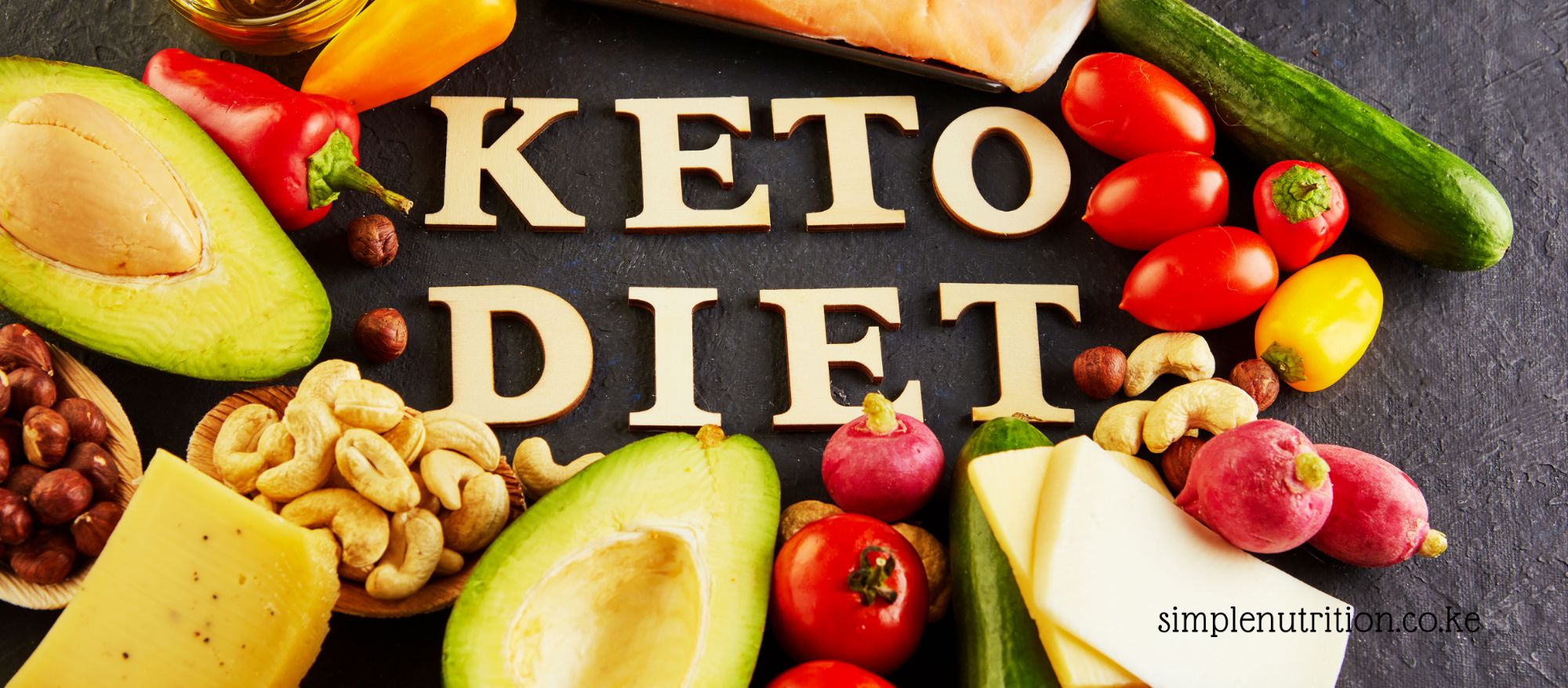
How to use Keto Diet for Weight Loss!
How to healthily gain weight!
What Are Health Benefits of Adopting a Vegetarian Diet
Posted in: Weight Loss

What Are Health Benefits of Adopting a Vegetarian Diet

A vegetarian diet, rich in plant-based foods such as fruits, vegetables, legumes, and grains, offers numerous health benefits including weight management, diabetes control, and prevention of heart disease and cancer. There are different types of vegetarians: strict vegans, lacto vegetarians, lacto-ovo vegetarians, and flexitarians. A well-planned diet is crucial to avoid deficiencies in nutrients like iron, vitamin D, and B12. Diverse plant foods ensure adequate nutrient intake.

Back to Top