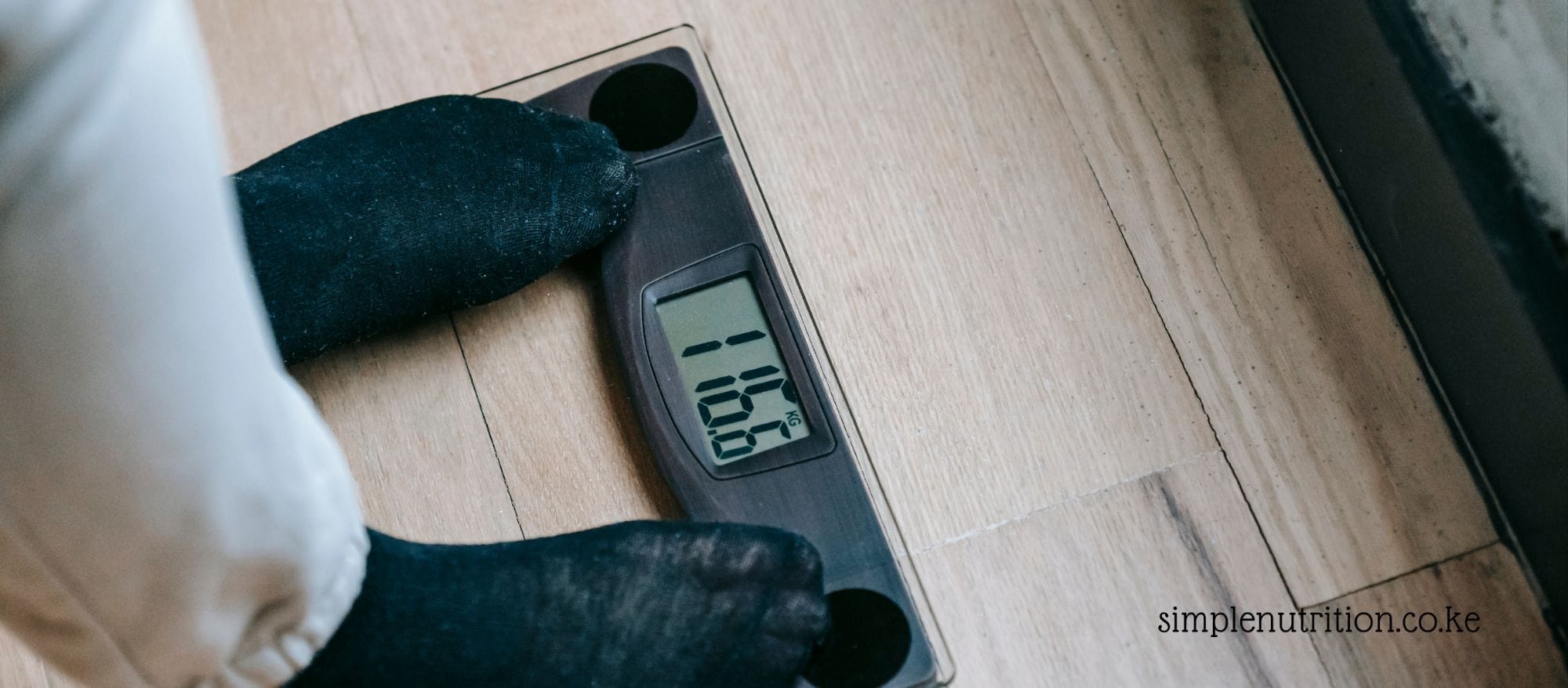

Has your weight loss suddenly stopped? Discover the most common reasons for a weight loss plateau and practical, science-backed tips to start making progress again.
Why Is My Weight Stalling?
You’ve been eating healthier, exercising consistently, and watching the numbers on the scale drop. Then, suddenly… nothing.
A week passes. Then two. Maybe even a month.
Despite your best efforts, the scale refuses to move.
If this sounds familiar, you’re not alone. A weight loss plateau is one of the most common frustrations people experience when trying to lose weight. The good news is that a plateau doesn’t necessarily mean you’ve stopped making progress—or that you’re doing something wrong.
Let’s explore why your weight may have stalled and what you can do about it.
What Is a Weight Loss Plateau?
A weight loss plateau is a period when your weight stays relatively the same despite continuing your healthy eating and exercise routine.
This can happen after losing a few kilograms or even several months into your journey.
Remember, weight loss is rarely a straight line. It’s normal for your weight to fluctuate from day to day due to water retention, hormones, digestion, and other factors.
1. Your Body Needs Fewer Calories Now
As you lose weight, your body becomes smaller and more efficient. A lighter body requires fewer calories to function than a heavier one.
For example, someone who weighed 90 kg may have needed more calories than they do after reaching 75 kg.
If your eating habits haven’t changed since you started losing weight, your calorie intake may now match your body’s new energy needs.
What to do
- Reassess your portion sizes.
- Focus on filling half your plate with vegetables.
- Include lean protein at every meal.
- Avoid unnecessary snacking.
2. Portion Sizes Have Slowly Increased
Many people don’t realize that portions tend to grow over time.
A handful of groundnuts becomes two handfuls.
One tablespoon of peanut butter becomes three.
Healthy foods are nutritious, but they still contribute calories.
What to do
Occasionally measure portions to refresh your understanding of serving sizes.
3. You’re Eating More Than You Think
Liquid calories, small bites while cooking, office snacks, and weekend treats all add up.
Examples include:
- Sweetened tea several times a day
- Soft drinks
- Fruit juice
- Mandazi with morning tea
- Biscuits during meetings
- Tasting food while cooking
These extra calories are often forgotten.
What to do
Keep a simple food diary for three to five days.
You may discover eating habits you hadn’t noticed.
4. You’re Not Eating Enough Protein
Protein helps maintain muscle while losing weight and keeps you feeling full.
Without enough protein, hunger tends to increase, making it easier to overeat later.
Good Kenyan protein sources include:
- Eggs
- Fish
- Chicken
- Milk
- Plain yoghurt
- Beans
- Green grams (ndengu)
- Lentils
- Githeri
Aim to include protein in every meal.
5. You’re Less Active Than Before
Exercise sessions matter, but so does your movement throughout the day.
You may be exercising for one hour but spending the remaining hours sitting.
Small decreases in daily movement can reduce the calories you burn.
Increase everyday movement by:
- Taking the stairs
- Walking during lunch breaks
- Standing while making phone calls
- Parking farther away
- Taking short walking breaks every hour
6. You’re Building Muscle
If you’ve recently started strength training, you may gain muscle while losing fat.
Because muscle is denser than fat, the scale may stay the same even though your body is changing.
Instead of focusing only on weight, also notice:
- Clothes fitting better
- Reduced waist circumference
- Increased strength
- Progress photos
- Improved fitness
These are all signs of progress.
7. You’re Not Sleeping Enough
Poor sleep affects hormones that regulate hunger and fullness.
When you’re tired, you’re more likely to:
- Crave sugary foods
- Feel hungrier
- Snack more often
- Have less energy to exercise
Aim for 7–9 hours of quality sleep most nights.
8. Stress Is Getting in the Way
Long-term stress can influence eating habits and make it harder to maintain healthy routines.
Some people lose their appetite when stressed, while others eat more than usual.
Managing stress may involve:
- Walking outdoors
- Talking to friends or family
- Deep breathing
- Prayer or meditation
- Regular physical activity
- Setting aside time to relax
9. Hormonal Changes Can Affect Weight
Hormones can influence body weight, appetite, and metabolism.
Examples include:
- Menopause
- Polycystic Ovary Syndrome (PCOS)
- Thyroid disorders
- Certain medications
If you’ve made consistent lifestyle changes but continue struggling with your weight, it’s worth discussing this with your healthcare provider.
10. Your Expectations May Be Unrealistic
Many people expect to lose weight every single week.
In reality, healthy weight loss often slows over time.
A loss of 0.25–1 kg per week is generally considered sustainable for many adults, although this varies from person to person.
Slow progress is still progress.
Are You Really Stuck?
Before assuming you’ve hit a plateau, ask yourself:
| Question | Yes/No |
|---|---|
| Am I eating enough protein? | ☐ |
| Have my portion sizes increased? | ☐ |
| Am I drinking sugary beverages? | ☐ |
| Am I sleeping at least 7 hours? | ☐ |
| Am I strength training regularly? | ☐ |
| Have I become less active during the day? | ☐ |
| Am I feeling stressed most of the time? | ☐ |
| Have I been patient for at least 3–4 weeks? | ☐ |
If you answered “No” to several of these questions, you’ve identified areas that may be contributing to your plateau.
Simple Strategies to Break a Weight Loss Plateau
| Challenge | Simple Solution |
|---|---|
| Constant hunger | Increase protein and fibre at meals. |
| Frequent snacking | Plan healthy snacks such as fruit, yoghurt, or roasted groundnuts. |
| Large portions | Use smaller plates and measure portions occasionally. |
| Low activity | Add a 20–30 minute walk each day and move more throughout the day. |
| Bored with meals | Try new healthy recipes using local foods. |
| Poor sleep | Establish a consistent bedtime routine. |
| Stress eating | Identify triggers and find non-food ways to cope with stress. |
Healthy Kenyan Foods That Can Support Weight Management
Choose more of these foods throughout the week:
- Sukuma wiki
- Spinach
- Cabbage
- Traditional vegetables (managu, terere, mrenda)
- Beans
- Green grams (ndengu)
- Sweet potatoes
- Arrowroots (nduma)
- Oats
- Eggs
- Fish
- Avocados (in moderation)
- Plain yoghurt
- Fresh fruits
- Wholemeal ugali
- Brown rice
These foods provide fibre, protein, vitamins, and minerals that help you stay full and support overall health.
When Should You Seek Professional Help?
If your weight has remained unchanged for several months despite consistently following a healthy eating plan and being physically active, consider consulting a registered nutritionist or your healthcare provider.
They can assess factors such as your dietary intake, physical activity, medications, medical conditions, and overall health to develop a personalized plan.
Remember
A weight loss plateau is a normal part of the journey—not a sign that you’ve failed. Often, small adjustments to your eating habits, activity levels, sleep, or stress management are enough to help you move forward again.
Instead of focusing only on the number on the scale, celebrate other signs of progress, such as improved energy, better fitness, healthier eating habits, and clothes fitting more comfortably.
Remember, lasting weight loss isn’t about perfection—it’s about consistency. Keep showing up, making small sustainable changes, and trusting the process.
Discover more from Simple Nutrition
Subscribe to get the latest posts sent to your email.










This is a really helpful article, especially for people who feel frustrated when their weight loss slows down. I agree that small, consistent lifestyle changes are often more sustainable than following very restrictive diets. Focusing on balanced meals, enough protein and fibre, regular physical activity and good sleep can support healthy weight management. A personalised approach can also make it easier to follow a realistic weight loss diet plan based on individual needs. I came across NutrifyMe for personalised nutrition and weight management guidance: https://www.nutritionist-prachi.com/