
Open any social media app, and you’ll likely see someone promoting the “best” diet. One person swears by cutting out carbohydrates, another recommends eating only fruit until noon, while someone else insists that a particular supplement is the secret to good health.

With so much conflicting advice, it’s easy to wonder: Who should I believe?
The best nutrition advice I’ve ever received is this:
“Eat what your body needs, not what social media tells you.”
Nutrition is personal. What works for one person may not work for another because our bodies, lifestyles, health conditions, and goals are different. Instead of chasing every trend, learning what your body truly needs is one of the best investments you can make in your health.
Why Nutrition Isn’t One-Size-Fits-All
Two people can eat the same meals and have completely different outcomes.
For example:
- An athlete training daily has higher energy and protein needs than someone with a desk job.
- A pregnant woman has different nutritional requirements than a teenager.
- Someone living with diabetes will need to pay closer attention to carbohydrate intake than someone without diabetes.
- An older adult may need more protein to maintain muscle mass.
Your nutrition should support your health—not someone else’s social media content.
The Problem with Following Every Nutrition Trend
Nutrition trends often promise quick results, but they rarely tell the whole story.
Some popular trends may:
- Eliminate entire food groups without medical reason.
- Promote expensive supplements instead of real food.
- Encourage unrealistic expectations.
- Ignore individual medical conditions and cultural eating habits.
Following these trends without understanding your own needs can leave you feeling frustrated and confused.
Listen to Evidence, Not Algorithms
Social media algorithms are designed to keep you watching—not necessarily to give you accurate health information.
Before trying nutrition advice online, ask yourself:
- Is this backed by scientific evidence?
- Does it come from a qualified health professional?
- Is it realistic for everyday life?
- Does it encourage balance rather than extremes?
If the answer is no, think twice before following it.
Your Body Gives Valuable Feedback
Learning to pay attention to your body’s signals can help you make better food choices.
Ask yourself:
- Am I actually hungry, or just bored?
- Does this meal keep me satisfied?
- Do I feel energetic after eating?
- Am I getting enough fruits, vegetables, protein, and whole grains?
These questions are often more useful than copying someone else’s meal plan.
Build Meals Around Your Needs
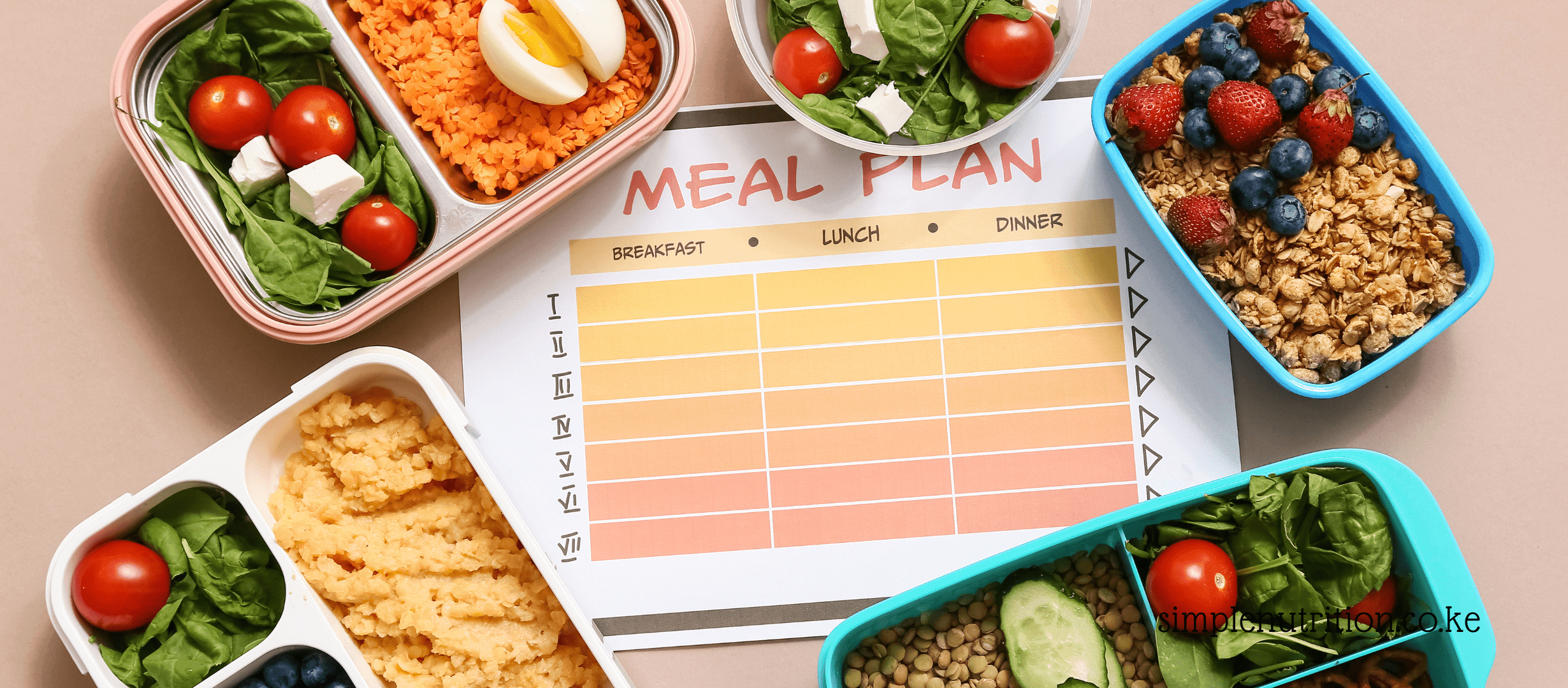
Rather than following restrictive diets, aim to build balanced meals using foods that are accessible and affordable.
A balanced plate may include:
- Whole grains such as ugali, brown rice, millet, or sweet potatoes.
- Protein from beans, lentils, eggs, fish, chicken, milk, or lean meat.
- Plenty of vegetables.
- Fruit as part of your daily intake.
- Healthy fats from avocados, groundnuts, seeds, or vegetable oils in moderation.
Healthy eating doesn’t have to be expensive or complicated.
Common Mistakes to Avoid
Comparing Your Plate to Someone Else’s
Your nutritional needs are unique. Don’t assume another person’s diet is automatically right for you.
Believing Every Viral Nutrition Claim
If a diet sounds too good to be true, it probably is.
Ignoring Medical Conditions
People with diabetes, kidney disease, food allergies, or other health conditions should seek personalised advice before making major dietary changes.
Chasing Quick Fixes
Lasting health comes from sustainable habits, not extreme diets.
Practical Tips for Making Better Nutrition Decisions
- Follow qualified nutrition professionals rather than influencers with no nutrition training.
- Focus on balanced meals instead of “perfect” meals.
- Include a variety of foods throughout the week.
- Drink enough water every day.
- Ask questions before believing nutrition advice you see online.
- Remember that affordable local foods can be just as nutritious as trendy imported products.
People Also Ask
Why does nutrition advice differ from person to person?
Because factors such as age, health conditions, activity level, medications, and personal goals all influence nutritional needs.
Can social media nutrition advice be trusted?
Some content is evidence-based, but much of it is not. Always check whether the information comes from a qualified healthcare professional and is supported by reliable scientific evidence.
Do I need supplements if I eat a balanced diet?
Most healthy people can meet their nutrient needs through food. However, some individuals may require supplements based on medical advice or specific life stages.
Frequently Asked Questions
1. Is there one diet that’s best for everyone?
No. The healthiest eating pattern is one that meets your individual nutritional needs and is sustainable.
2. Should I stop eating carbohydrates?
No. Carbohydrates are an important source of energy. The focus should be on choosing healthier carbohydrate sources and appropriate portions.
3. Are expensive “superfoods” necessary?
Not at all. Many affordable Kenyan foods, such as beans, sukuma wiki, omena, sweet potatoes, traditional vegetables, and fruits, are highly nutritious.
4. How do I know if nutrition advice is credible?
Look for information from registered nutrition professionals, recognised health organisations, and evidence-based research.
5. Can healthy eating fit my budget?
Yes. Planning meals, buying seasonal produce, and using locally available foods can make healthy eating affordable.
6. When should I seek personalised nutrition advice?
If you have a medical condition, are pregnant, breastfeeding, an athlete, or have specific health goals, consulting a clinical nutritionist can help you receive advice tailored to your needs.
Remember
The loudest voice on social media isn’t always the most accurate. Your body doesn’t need the latest viral diet—it needs balanced, nourishing foods that support your health, lifestyle, and goals.
Instead of asking, “What’s everyone else eating?” ask, “What does my body need today?”
That’s where healthier, more sustainable choices begin.
For more evidence-based nutrition advice, practical healthy eating tips, and articles tailored to everyday life in Kenya, visit https://simplenutrition.co.ke.
Discover more from Simple Nutrition
Subscribe to get the latest posts sent to your email.