When people think about improving their diet, they often imagine giving up all their favourite foods, following strict meal plans, or making drastic lifestyle changes.

The truth is, lasting health isn’t built on extreme diets—it’s built on small habits that you repeat consistently.
You don’t have to be perfect. Even one healthy habit, practised every day, can improve your nutrition and support your long-term health.
Here are ten simple nutrition habits that are easy to start and can make a surprisingly big difference.
1. Start Every Meal with Vegetables
One of the easiest ways to improve your diet is to eat more vegetables.
Whether it’s sukuma wiki, spinach, cabbage, managu, terere, or a fresh kachumbari, vegetables add fibre, vitamins, and minerals while helping you feel fuller.
A simple goal is to fill half your plate with vegetables at lunch and dinner.
Not only does this increase your nutrient intake, but it may also naturally reduce the amount of high-calorie foods on your plate.
2. Include Protein at Every Meal
Protein helps you stay full, supports muscle health, and reduces the temptation to snack constantly.
Good protein choices include:
- Eggs
- Fish
- Chicken
- Beans
- Green grams (ndengu)
- Lentils
- Plain yoghurt
- Milk
- Omena
You don’t need large amounts—just aim to include a protein source whenever you eat.
3. Drink More Water
Many people mistake thirst for hunger.
Before reaching for a snack, ask yourself if you’ve had enough water today.
Carry a reusable water bottle and sip water throughout the day, especially during hot weather.
Replacing sugary drinks with water is one of the simplest ways to reduce unnecessary sugar and calorie intake.
4. Slow Down When You Eat
Eating quickly often means eating more before your brain has time to register that you’re full.
Instead:
- Chew your food thoroughly.
- Put your spoon or fork down between bites.
- Eat without scrolling on your phone whenever possible.
Mindful eating can help you recognize fullness and enjoy your meals more.
5. Eat More Whole Foods
The less processed your food is, the more nutrients it generally contains.
Examples of wholesome Kenyan foods include:
- Sweet potatoes
- Arrowroots (nduma)
- Beans
- Githeri
- Fresh fruits
- Traditional vegetables
- Whole grains
- Groundnuts
You don’t need to eliminate processed foods completely—just let whole foods make up most of your meals.
6. Keep Healthy Snacks Nearby
When hunger strikes, you’ll usually eat what’s easiest to reach.
Stock your home, office, or bag with nutritious snacks such as:
- Apples
- Bananas
- Oranges
- Plain yoghurt
- Roasted groundnuts
- Boiled eggs
- Carrot sticks
Planning ahead makes healthy choices much easier.
7. Read Food Labels
Many packaged foods that appear healthy can contain high amounts of sugar, salt, or saturated fat.
Take a few seconds to check:
- Added sugars
- Sodium
- Fibre
- Protein
- Ingredient list
You don’t need to memorize every nutrition fact—just become more aware of what you’re buying.
8. Don’t Skip Meals If It Leads to Overeating
Some people can comfortably skip a meal without any problems.
Others become so hungry that they overeat later in the day.
Pay attention to how your body responds.
If skipping breakfast or lunch consistently leads to large portions or unhealthy snacking later, regular balanced meals may work better for you.
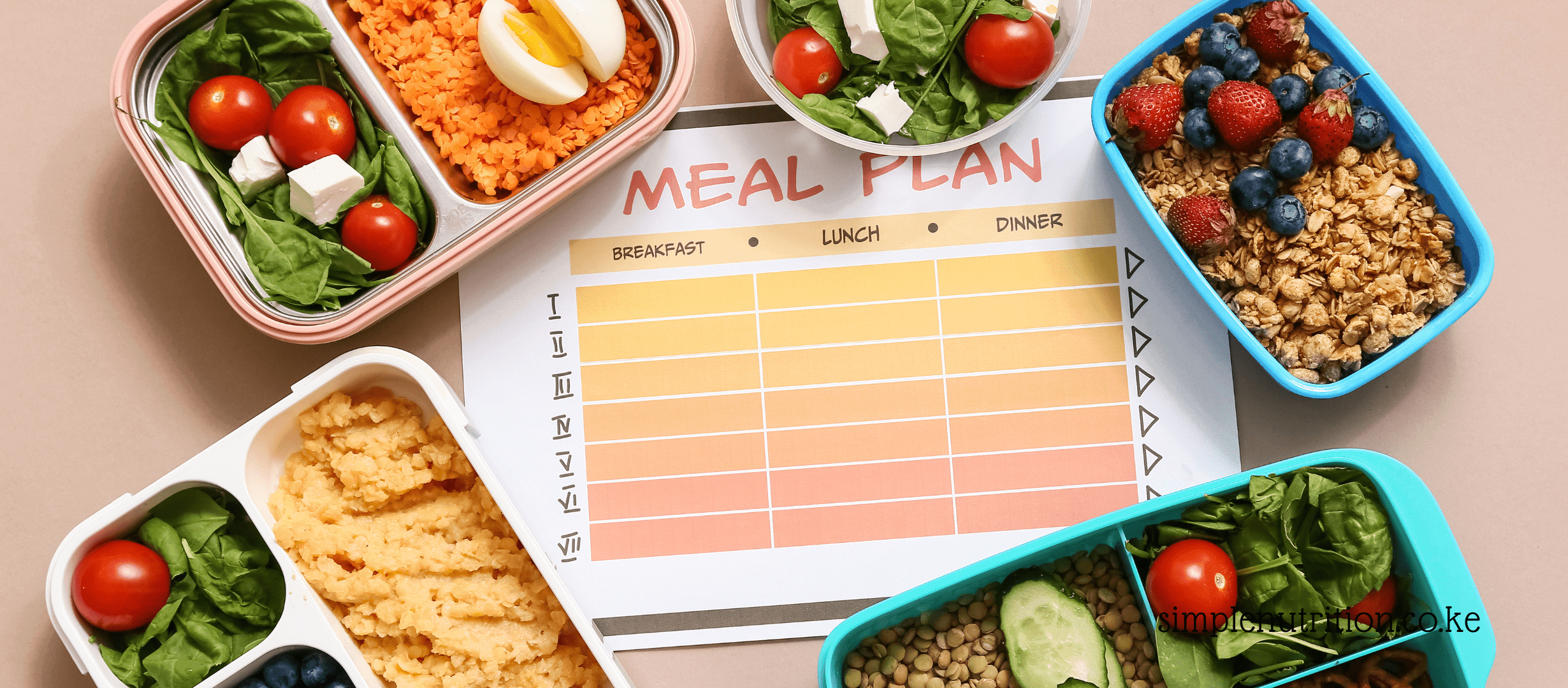
9. Plan Your Meals
Healthy eating becomes much easier when you know what you’re going to eat.
Simple planning can help you:
- Reduce takeaway meals
- Save money
- Waste less food
- Eat a more balanced diet
Even planning just three or four dinners for the week can make a difference.
10. Focus on Progress, Not Perfection
Perhaps the most important nutrition habit is letting go of the idea that every meal has to be perfect.
One takeaway meal doesn’t ruin your progress.
Neither does a slice of cake at a birthday celebration.
Healthy eating is about what you do consistently over weeks, months, and years—not what happens at a single meal.
Aim for balance rather than perfection.
Small Habits, Big Results
| Small Habit | Why It Matters |
|---|---|
| Fill half your plate with vegetables | Increases fibre, vitamins, and fullness. |
| Include protein at meals | Helps control hunger and supports muscle health. |
| Drink more water | Supports hydration and may reduce unnecessary snacking. |
| Eat slowly | Helps you recognize when you’re comfortably full. |
| Choose whole foods more often | Improves overall nutrient intake. |
| Keep healthy snacks available | Makes healthier choices easier. |
| Read food labels | Helps you make informed decisions. |
| Eat regular balanced meals if needed | Can prevent overeating later. |
| Plan meals ahead | Reduces reliance on convenience foods. |
| Aim for consistency | Builds sustainable, long-term habits. |
Your One-Week Nutrition Challenge
Instead of changing everything at once, choose one habit to focus on this week.
For example:
- Monday: Drink more water.
- Tuesday: Add vegetables to lunch.
- Wednesday: Include protein at breakfast.
- Thursday: Eat without your phone.
- Friday: Pack a healthy snack for work.
- Saturday: Plan next week’s meals.
- Sunday: Reflect on what worked well.
Small, manageable steps are much easier to maintain than drastic changes.
Remember
Healthy eating isn’t about chasing the latest diet or buying expensive “superfoods.” It’s about making simple choices that you can repeat day after day.
The small decisions—adding vegetables to your plate, drinking more water, eating a little more slowly, or packing a healthy snack—may seem insignificant in the moment. But over time, these habits can improve your energy, support a healthy weight, reduce your risk of chronic disease, and help you build a healthier relationship with food.
Remember, you don’t have to change everything today. Start with one habit, make it part of your routine, and then build from there. Those small changes can lead to big results.
Discover more from Simple Nutrition
Subscribe to get the latest posts sent to your email.