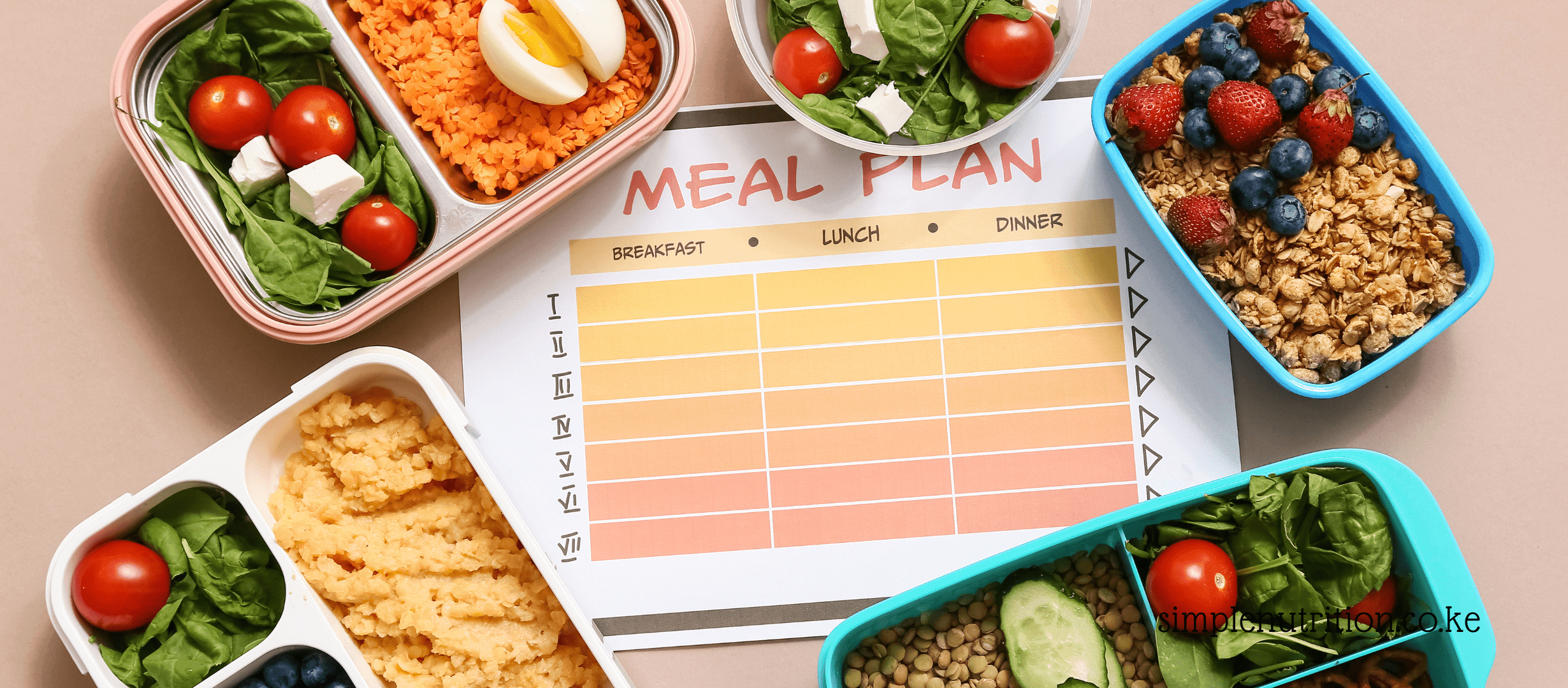

Healthy eating doesn’t begin in the kitchen—it begins at the supermarket or your local market.
The foods you bring home are often the foods you’ll eat throughout the week. That’s why grocery shopping is one of the most important habits for maintaining a healthy diet.

Unfortunately, many of us make shopping mistakes that lead to overspending, food waste, and less nutritious meals.
Here are some of the most common grocery shopping mistakes and how you can avoid them.
1. Shopping When You’re Hungry
This is perhaps the biggest grocery shopping mistake.
When you’re hungry, everything looks tempting. You’re more likely to buy:
- Crisps
- Chocolate
- Biscuits
- Cakes
- Sugary drinks
- Fast food
Research shows that shopping while hungry can increase impulse purchases.
What to do
Eat a balanced meal or a healthy snack before heading to the supermarket or market.
2. Shopping Without a List
Without a shopping list, it’s easy to forget essentials and buy items you don’t actually need.
A shopping list helps you:
- Save money
- Reduce food waste
- Stay focused
- Buy ingredients for planned meals
Keep a running list on your phone or fridge throughout the week.
3. Buying Too Many Processed Foods
It’s convenient to fill your trolley with packaged foods, but these often contain added sugar, salt, and unhealthy fats.
Instead, build your shopping around whole foods.
Examples include:
- Fresh vegetables
- Fruits
- Beans
- Eggs
- Fish
- Milk
- Whole grains
- Sweet potatoes
- Arrowroots (nduma)
4. Ignoring Food Labels
Many products labelled as “healthy,” “natural,” or “low fat” can still contain high amounts of sugar or sodium.
Before buying packaged foods, check:
- Ingredients list
- Added sugars
- Fibre content
- Protein
- Sodium
Marketing claims don’t always tell the full story.
5. Buying Fruits and Vegetables Without a Plan
Fresh produce is nutritious, but buying too much without knowing how you’ll use it often leads to food waste.
Try this instead
Plan meals first, then buy only the amount of produce you’ll realistically eat before it spoils.
6. Buying in Bulk When You Won’t Use It
Bulk buying can save money, but only if you’ll actually use the food.
Buying large quantities of perishable foods may lead to waste.
Bulk purchases work best for foods with a longer shelf life, such as:
- Oats
- Rice
- Dried beans
- Lentils
- Groundnuts
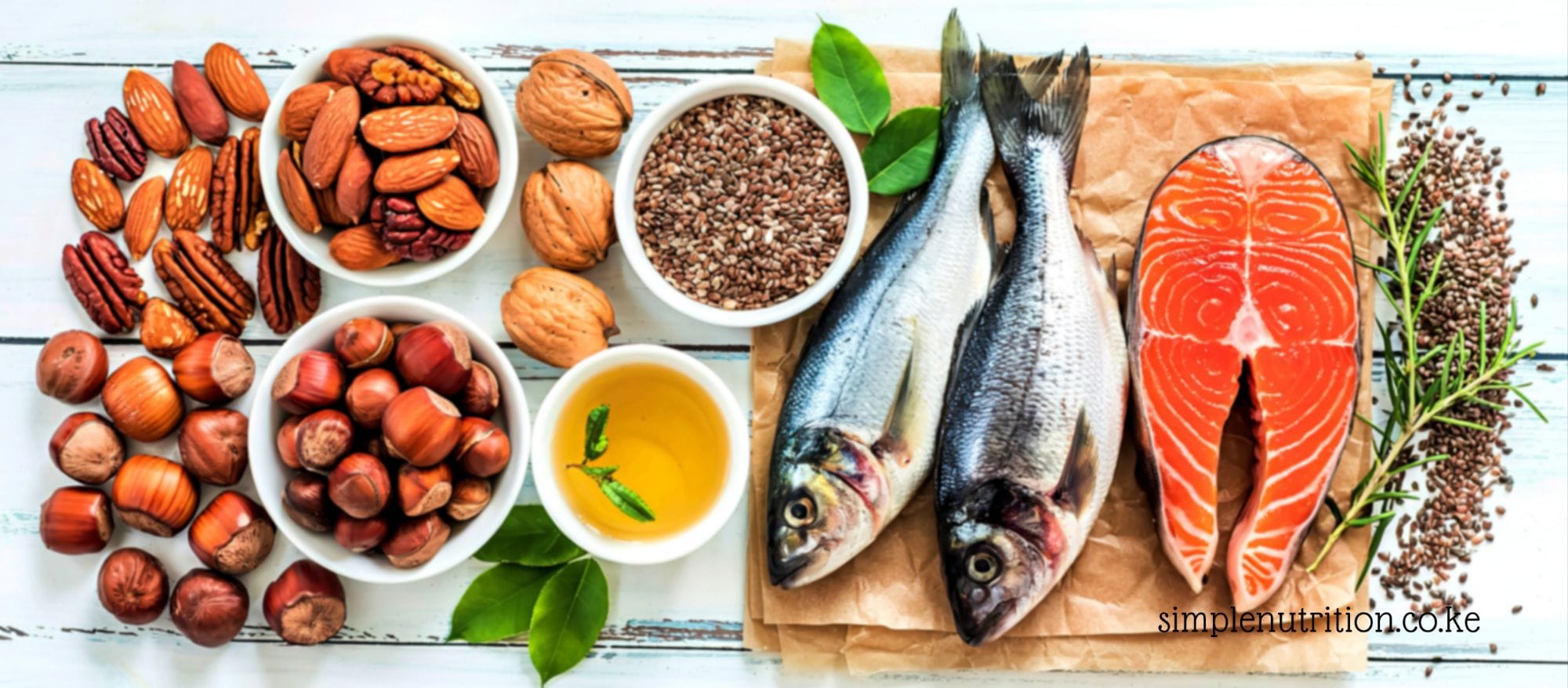
7. Forgetting About Protein
Some shopping baskets are full of carbohydrates but contain very little protein.
Remember to include foods like:
- Eggs
- Chicken
- Fish
- Beans
- Green grams (ndengu)
- Plain yoghurt
- Milk
- Omena
Protein helps keep you full and supports muscle health.
8. Choosing Convenience Over Nutrition Every Time
Ready-made meals and snacks can be helpful occasionally, but relying on them every week can increase your intake of calories, salt, and saturated fat.
Balance convenience with fresh, minimally processed foods.
9. Buying Too Many Sugary Drinks
Soft drinks, sweetened juices, energy drinks, and flavoured beverages can quietly add a lot of sugar to your diet.
Instead, consider:
- Water
- Sparkling water
- Unsweetened tea
- Fresh lemon-infused water
10. Not Comparing Prices
The most expensive product isn’t always the healthiest.
Compare:
- Price per kilogram
- Brand options
- Generic alternatives
- Fresh versus frozen produce
Sometimes supermarket own-brand products offer similar nutrition at a lower price.
11. Shopping Without Checking Your Kitchen
Many people buy items they already have.
Before leaving home, quickly check your:
- Fridge
- Freezer
- Pantry
This prevents duplicate purchases and reduces food waste.
12. Forgetting Frozen Foods
Frozen fruits and vegetables are often just as nutritious as fresh ones because they’re frozen soon after harvesting.
They’re also convenient and last much longer.
Keep frozen vegetables on hand for busy days when you don’t have fresh produce.
13. Buying Foods Just Because They’re on Offer
A “Buy One Get One Free” deal isn’t a bargain if you didn’t need the product in the first place.
Ask yourself:
- Will I actually eat this?
- Will it expire before I use it?
- Was it on my shopping list?
If the answer is no, it’s probably not a saving.
14. Skipping Local Markets
Supermarkets aren’t your only option.
Local Kenyan markets often offer:
- Fresh fruits
- Traditional vegetables
- Fresh herbs
- Seasonal produce
Shopping locally can sometimes be more affordable while supporting local farmers.
Smart Grocery Shopping Checklist
| Before You Shop | Why It Helps |
|---|---|
| Eat before leaving home | Reduces impulse purchases. |
| Make a shopping list | Helps you stay focused and save money. |
| Plan your meals | Prevents unnecessary purchases. |
| Check your pantry and fridge | Avoids buying duplicates. |
| Set a budget | Helps control spending. |
| Carry reusable shopping bags | Saves money and reduces plastic waste. |
A Healthy Kenyan Grocery List
Here’s a simple shopping list to inspire your next trip:
Vegetables
- Sukuma wiki
- Spinach
- Cabbage
- Tomatoes
- Onions
- Carrots
- Cucumbers
- Traditional vegetables (managu, terere, mrenda)
Fruits
- Bananas
- Oranges
- Pawpaw
- Pineapple
- Watermelon
- Apples
- Mangoes (seasonal)
Protein
- Eggs
- Chicken
- Fish
- Omena
- Beans
- Green grams (ndengu)
- Lentils
- Plain yoghurt
- Milk
Whole Grains and Starches
- Oats
- Brown rice
- Wholemeal flour
- Sweet potatoes
- Arrowroots (nduma)
- Wholemeal bread
Healthy Fats
- Avocados
- Groundnuts
- Peanut butter
- Sunflower seeds
Remember
A healthy diet starts long before you prepare your meals. The choices you make while grocery shopping influence what you eat throughout the week.
Shopping with a plan, choosing mostly whole foods, reading labels, and avoiding impulse purchases can help you eat healthier, reduce food waste, and even save money.
You don’t have to change your shopping habits overnight. Start by improving one or two of these areas, and over time you’ll build a grocery routine that supports both your health and your budget.
Discover more from Simple Nutrition
Subscribe to get the latest posts sent to your email.