Iron deficiency anaemia in children is one of the most common nutritional deficiencies worldwide. It affects growth, immunity, and brain development if not managed early.
The good news? With the right nutrition management, feeding practices, and supplementation, it can be effectively treated and prevented.
What is Iron Deficiency Anaemia in Children?
Iron deficiency anaemia occurs when a child lacks enough iron to produce haemoglobin, the protein that carries oxygen in the blood.
Without enough iron, children may experience:
- Fatigue
- Poor growth
- Frequent infections
- Reduced concentration
Causes of Iron Deficiency Anaemia in Children
1. Low Iron Intake
Children who eat mostly starch-based diets without protein are at higher risk.
2. Poor Iron Absorption
Low intake of vitamin C or high intake of inhibitors like tea reduces absorption.
3. Increased Iron Needs
Rapid growth in infants and toddlers increases iron requirements.
4. Blood Loss
- Worm infestations
- Chronic infections
Nutrition Management of Iron Deficiency Anaemia in Children
Nutrition is the first-line treatment for mild to moderate cases.
1. Increase Intake of Iron-Rich Foods
Heme Iron Sources (Highly Absorbed)
- Liver (beef or chicken)
- Red meat
- Fish (omena, sardines)
- Chicken
These are the best foods to quickly improve haemoglobin levels.
Non-Heme Iron Sources (Plant-Based)
- Beans (lentils, ndengu, kidney beans)
- Sukuma wiki and spinach
- Millet and sorghum
- Iron-fortified cereals
Combine with vitamin C to improve absorption.
2. Improve Iron Absorption Naturally
Foods That Increase Iron Absorption
- Oranges
- Lemons
- Mangoes
- Pawpaw
- Tomatoes
Example: Serve beans with orange or add lemon to vegetables.
Foods That Block Iron Absorption
- Tea (contains tannins)
- Coffee
- Excess milk with meals
- Unsoaked whole grains
⛔ Avoid giving tea to children, especially during meals.
3. Iron Supplements for Children
For moderate to severe iron deficiency anaemia, supplements are necessary.
Common Supplements
- Ferrous sulfate syrup
- Micronutrient powders
Best Practices
- Give with vitamin C for better absorption
- Avoid giving with milk
- Continue for 3 months after recovery
4. Deworming and Infection Control
Deworming is essential in managing iron deficiency anaemia in children.
- Follow routine deworming schedules
- Maintain hygiene
- Treat infections early
5. Age-Specific Nutrition Guidelines
Infants (6–12 Months)
- Breastfeeding + iron-rich complementary foods
- Mashed beans, liver, fortified porridge
Toddlers (1–3 Years)
- 3 meals + 2 snacks daily
- Include iron-rich foods in every meal
- Limit milk intake
School-Age Children
- Balanced meals with protein and vegetables
- Healthy iron-rich snacks
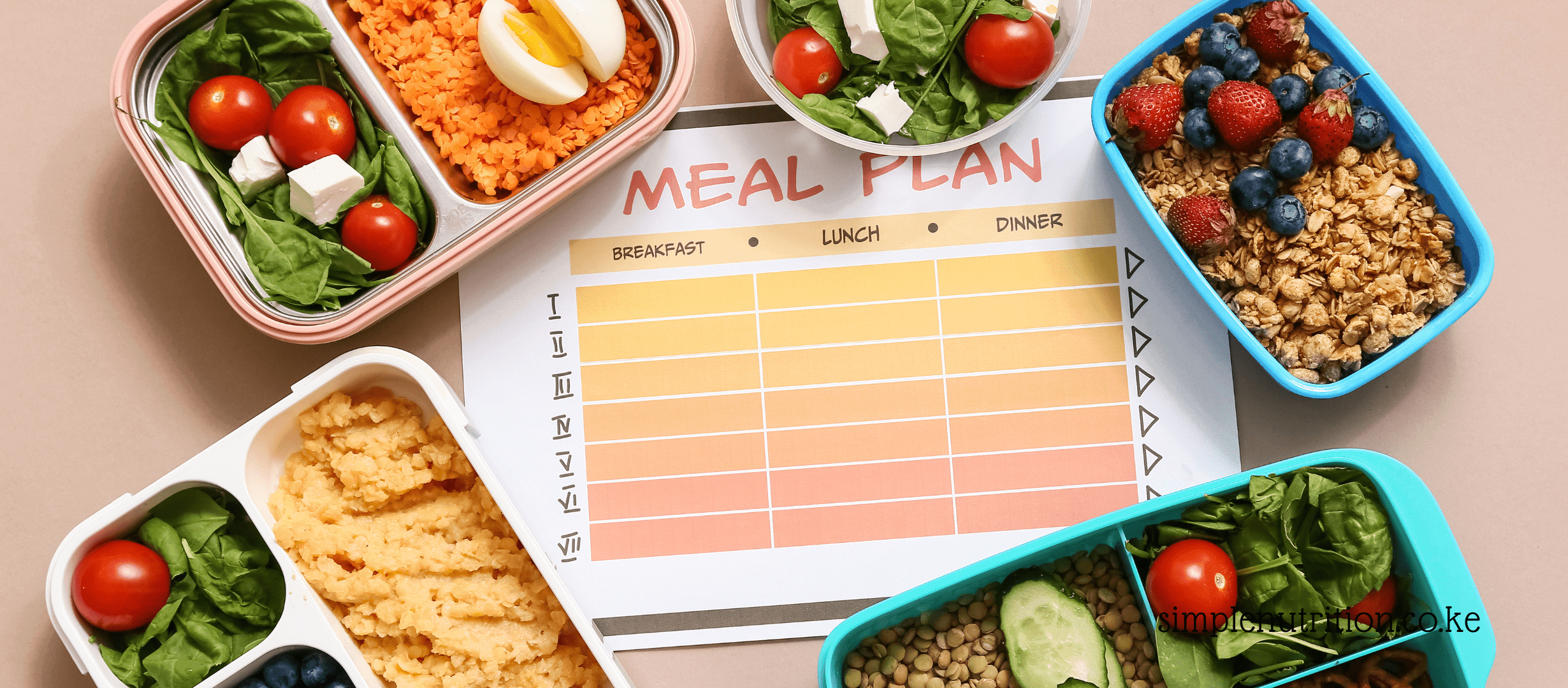
Sample Iron-Rich Meal Plan (Kenya)
Breakfast
Millet porridge + pawpaw
Snack
Orange
Lunch
Ugali + sukuma wiki + beef
Snack
Boiled egg or groundnuts
Dinner
Rice + lentils + vegetables
How Long Does It Take to Recover?
- Improvement: 2–4 weeks
- Full recovery: 2–3 months
- Continued proper diet prevents relapse
Common Mistakes to Avoid
- Giving tea to children
- Too much milk intake
- Poor meal combinations
- Stopping supplements early
Prevention of Iron Deficiency Anaemia in Children
- Exclusive breastfeeding for 6 months
- Timely complementary feeding
- Balanced diet with iron-rich foods
- Routine deworming
Frequently Asked Questions
1. Can diet alone treat iron deficiency anaemia?
Mild cases—yes. Moderate to severe cases require supplements.
2. What is the best food for iron deficiency in children?
Liver, red meat, and fortified cereals.
3. Can milk cause iron deficiency?
Yes, excessive milk reduces iron absorption.
Discover more from Simple Nutrition
Subscribe to get the latest posts sent to your email.