
Growing up, school teaches us how to solve equations, analyse literature, understand biology, and memorise historical dates.
These things matter.
But there are also skills we use every single day that many of us are expected to figure out on our own.
One of them is surprisingly basic:
How to feed yourself well.
Not how to follow a strict diet. Not how to count every calorie. Not how to avoid carbohydrates or survive on salads.
I mean understanding food well enough to walk into a supermarket, market, or kitchen and confidently answer questions like:
What should I eat today? How much do I need? How do I build a balanced meal? What should I do when healthy food seems expensive? How do I eat well when I’m busy?
These are life skills.
And I wish schools taught them.
Why Nutrition Education Matters
Food is not something we interact with occasionally.
We eat several times a day, for most of our lives.
Yet many people leave school knowing a great deal about academic subjects but very little about how to make everyday food decisions.
This can become a problem later in life.
You move out of home and suddenly have to decide what to buy.
You start earning money and have to manage your food budget.
You begin cooking for yourself.
You have children and need to decide what to feed them.
You may want to lose weight, gain muscle, manage your blood sugar, or simply feel healthier.
And suddenly, you’re expected to know what to do.
Often, you don’t.
Instead, you learn from social media, friends, advertisements, celebrities, or the latest diet trend.
That’s not necessarily the best way to learn about nutrition.
I Wish Schools Taught Us How to Build a Balanced Plate
One of the most useful nutrition skills is also one of the simplest: knowing how to put together a balanced meal.
You don’t need a complicated meal plan.
You need to understand the different roles foods play.
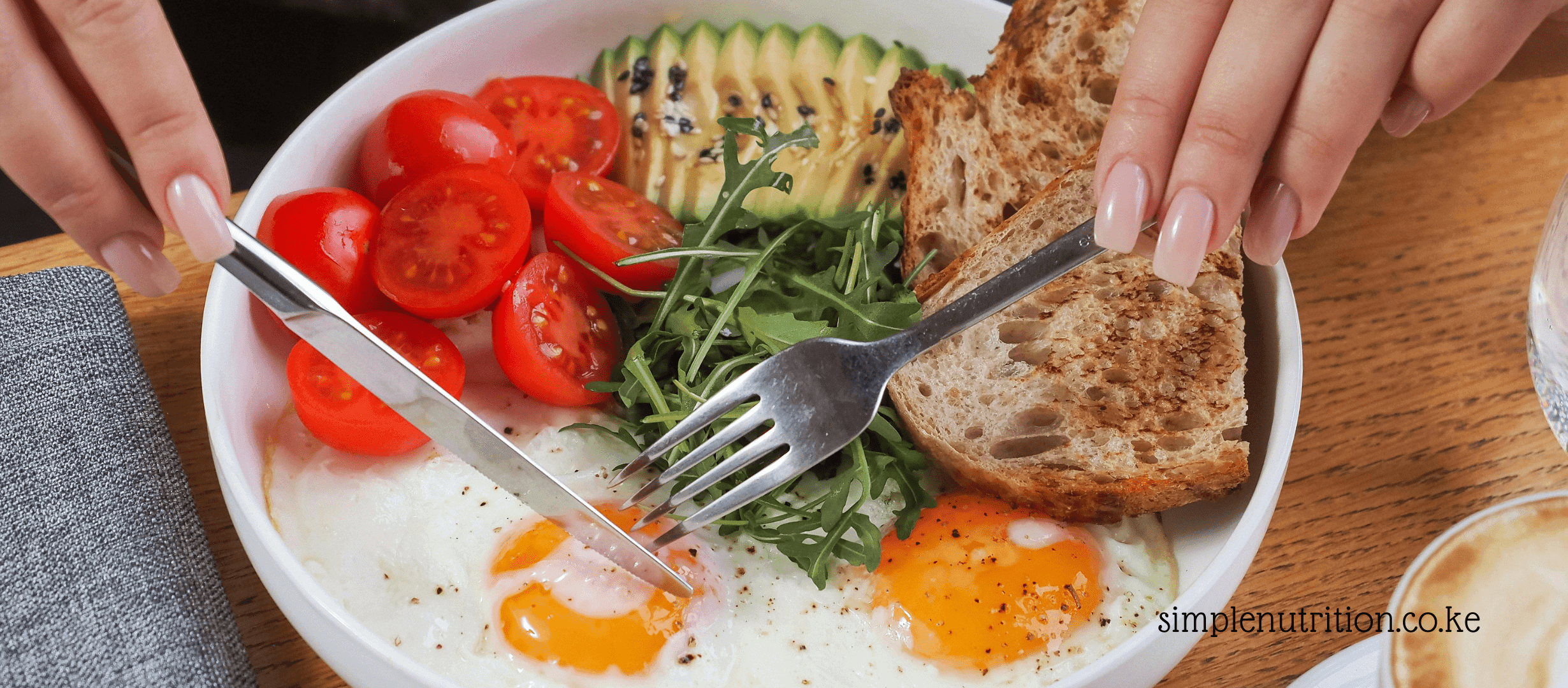
A balanced meal can include:
- A carbohydrate source for energy
- A protein source to support growth and muscle maintenance
- Vegetables and/or fruit for fibre, vitamins and minerals
- A source of healthy fats where appropriate
- Water as the main drink
For example, a Kenyan meal doesn’t have to look like a picture from a Western nutrition textbook.
You could have:
Ugali + sukuma wiki + beans + avocado
Or:
Rice + ndengu + cabbage + fruit
Or:
Potatoes + eggs + vegetables + avocado
Or:
Githeri + vegetables + fruit
The point isn’t to make every meal perfect.
It’s to understand how foods work together.
I Wish We Learned That Carbohydrates Aren’t the Enemy
Somewhere along the way, carbohydrates became one of the most misunderstood food groups.
People hear “carbs” and immediately think:
“That’s what makes you gain weight.”
But carbohydrates include foods such as maize, potatoes, rice, millet, sorghum, oats, bananas and many fruits.
They provide energy and can absolutely be part of a healthy diet.
The bigger lesson schools could teach is that one food group doesn’t determine whether your entire diet is healthy or unhealthy.
Portion sizes, food quality, preparation methods, overall dietary patterns and your individual needs all matter.
Instead of teaching children to fear carbohydrates, we could teach them how to choose and portion them appropriately.
I Wish We Learned How to Read Food Labels
Food packaging can make products look healthier than they actually are.
Words such as:
- “Natural”
- “Light”
- “Low fat”
- “Multigrain”
- “No added sugar”
- “High protein”
can sound impressive.
But learning to read a nutrition label gives you a much better understanding of what you’re actually buying.
Students could learn to look at:
- Serving size
- Energy
- Protein
- Total fat
- Saturated fat
- Carbohydrates
- Total sugars
- Fibre
- Sodium
They could also learn to compare two similar products rather than simply choosing whichever package has the healthiest-looking advertisement.
That’s a skill that could follow someone for decades.
I Wish We Learned How to Shop for Food on a Budget
Healthy eating is often presented as though it requires expensive ingredients.
Fancy granola.
Imported berries.
Protein bars.
Special supplements.
Organic everything.
But healthy eating doesn’t have to look like that.
In Kenya, nutritious foods can include everyday options such as:
- Beans
- Ndengu
- Cowpeas
- Green grams
- Eggs
- Milk
- Omena
- Seasonal vegetables
- Fruits in season
- Maize
- Potatoes
- Sweet potatoes
- Bananas
- Groundnuts
Schools could teach students how to plan meals around what is affordable, available and nutritious.
Imagine a practical lesson where students receive a hypothetical weekly food budget and have to plan meals for a family.
That would teach mathematics, nutrition and financial literacy at the same time.
I Wish We Learned How to Cook Basic Meals
Knowing what to eat is useful.
Knowing how to prepare it is even better.
Every student should ideally leave school knowing how to prepare a few simple, nutritious meals.
Not restaurant-style meals.
Real-life meals.
How to:
- Cook beans properly
- Prepare vegetables without drowning them in oil
- Boil or bake potatoes
- Prepare eggs in different ways
- Cook a simple stew
- Make a balanced breakfast
- Store leftovers safely
- Use leftovers creatively
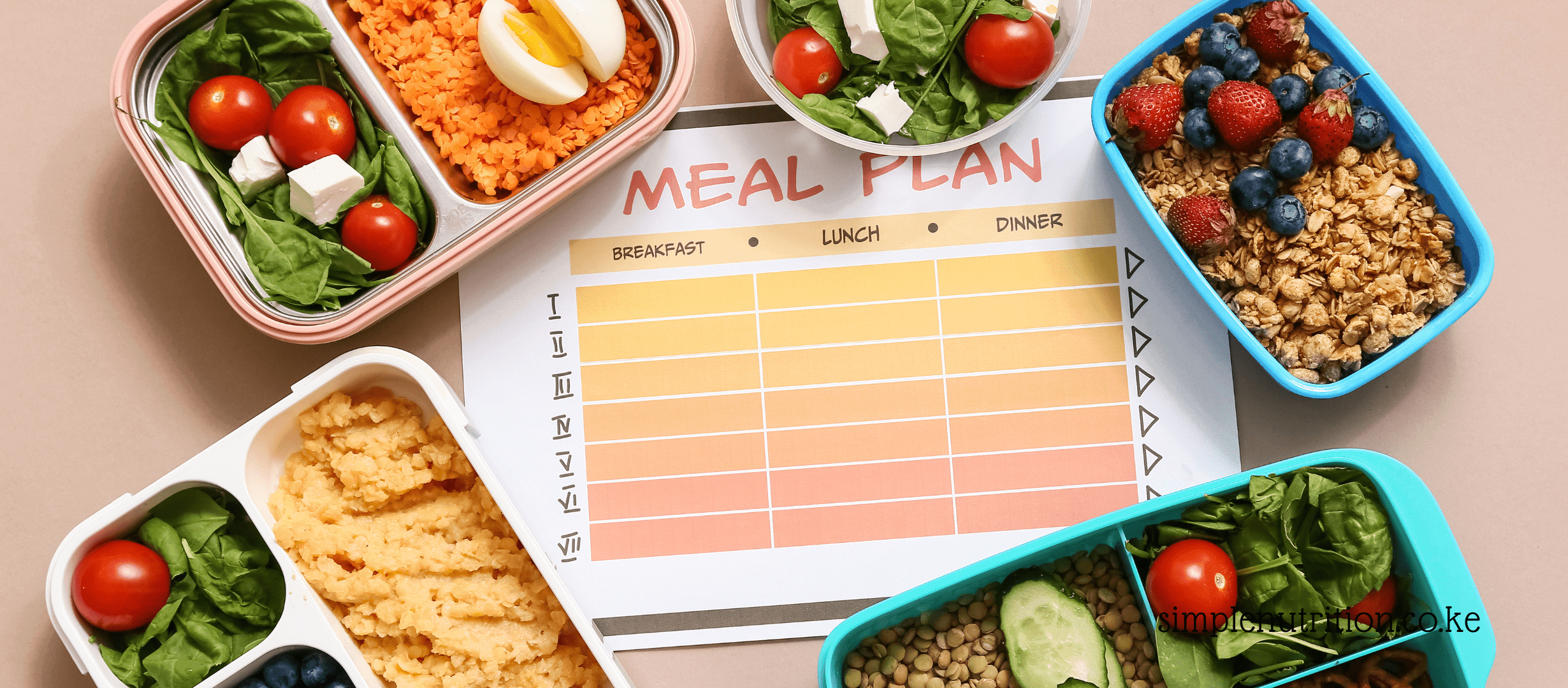
- Plan meals for a busy week
Cooking is not just a household chore.
It’s a health skill.
When you can cook, you have more control over what goes into your food.
I Wish We Learned About Portion Sizes Without the Diet Culture
Another thing I wish schools taught is that eating healthy doesn’t mean eating as little as possible.
Many people associate weight management with skipping meals, drastically reducing portions or avoiding entire food groups.
But nutrition isn’t about eating the smallest amount you can tolerate.
Your body needs energy and nutrients.
Portion needs vary from person to person depending on factors such as age, body size, activity level, health status and goals.
Students could instead learn simple visual approaches to portions and meal composition.
For example, rather than obsessing over numbers, you could start by asking:
Where is my protein?
Where are my vegetables or fruit?
What is my carbohydrate source?
Have I included some healthy fat where appropriate?
Am I actually hungry, or am I eating because food is available?
These questions can be much more useful than blindly following a restrictive diet.
I Wish We Learned the Difference Between Hunger and Appetite
Food choices aren’t always about physical hunger.
Sometimes we eat because we’re bored.
Sometimes we’re stressed.
Sometimes we’re celebrating.
Sometimes we’re simply sitting next to someone who is eating.
And sometimes we’re genuinely hungry.
Understanding the difference between hunger, appetite, cravings and emotional eating could help people develop a healthier relationship with food.
This doesn’t mean we should never eat for enjoyment.
Food is part of culture, family, celebration and pleasure.
The goal is simply to understand why we’re eating.
I Wish We Learned That Healthy Eating Doesn’t Have to Be Perfect
Perhaps this is one of the most important lessons of all.
You don’t have to eat perfectly to eat well.
You can enjoy chapati.
You can eat ugali.
You can have mandazi occasionally.
You can enjoy cake at a birthday.
You can eat chips.
One meal doesn’t define your health.
A healthy diet is built from your overall pattern of eating, not from one meal or one snack.
Instead of teaching young people to label foods as “good” and “bad”, we could teach them how to think about frequency, portions, variety and balance.
That creates a much more sustainable relationship with food.
Nutrition Education Could Start Very Young
Nutrition education doesn’t have to begin with complicated scientific terminology.
For young children, it could simply be:
What is a fruit?
Why do we eat vegetables?
Where does milk come from?
Why do we need water?
How can we make our meals colourful?
As children grow older, the lessons could become more advanced.
They could learn about:
- Macronutrients
- Micronutrients
- Food labels
- Meal planning
- Food safety
- Budgeting
- Cooking
- Body image
- Eating disorders
- Nutrition misinformation
- Chronic disease prevention
By the time students leave school, they would have something far more valuable than a list of foods to avoid.
They would have food literacy.
What If Nutrition Was Treated Like a Life Skill?
Imagine a school subject where students didn’t just memorise definitions.
They actually practised.
One week, they could plan a balanced breakfast.
Another week, they could compare food labels.
Another week, they could create a healthy meal using a fixed budget.
Another week, they could learn how to cook.
They could visit a market and identify seasonal foods.
They could learn how to store food safely.
They could even discuss how social media influences our perception of food and body image.
That’s education that follows you beyond the classroom.
Because eventually, every student becomes an adult who has to feed themselves.
The Goal Isn’t to Create Perfect Eaters
If schools taught nutrition, the goal shouldn’t be to produce children who are afraid of sugar or obsessed with calories.
It should be to produce adults who can make informed decisions.
Someone who knows that vegetables matter but doesn’t panic when they don’t eat them at every meal.
Someone who understands protein without believing they need a protein shake for every workout.
Someone who can enjoy traditional Kenyan foods while still creating balanced meals.
Someone who can shop within their budget.
Someone who can cook.
Someone who can recognise nutrition misinformation.
Someone who understands that health is influenced by patterns and habits, not perfection.
That would be a valuable education.
So, What’s the One Thing I Wish Schools Taught?
How to feed yourself well.
Not through restrictive diets.
Not through fear.
Not through complicated rules.
But through practical nutrition education that teaches people how to understand food, plan meals, cook, shop, read labels and make realistic choices.
Because education shouldn’t only prepare us to pass exams.
It should prepare us to live.
And eating is one of the things we’ll be doing for the rest of our lives.
Remember
You don’t need a perfect diet.
You need simple, sustainable habits that work in your real life.
Start with one meal.
Build a balanced plate.
Choose foods you can afford and enjoy.
Learn how to prepare them.
Then keep going.
Simple choices. Better habits. Stronger you.
If you want practical, evidence-based nutrition advice that fits everyday life, visit simplenutrition.co.ke.
Discover more from Simple Nutrition
Subscribe to get the latest posts sent to your email.