
Long workdays can make healthy eating feel almost impossible.
You start the day with good intentions, but before you know it, you’ve skipped breakfast, grabbed a mandazi with tea, eaten lunch at your desk, and finished the afternoon with biscuits from the office kitchen.

Sound familiar?
When work gets busy, nutrition is often the first thing to suffer. Yet, the food you eat during the day has a direct impact on your energy, concentration, productivity, and even your mood.
Healthy eating during long workdays isn’t about preparing elaborate meals—it’s about planning ahead and making simple choices that keep you fueled throughout the day.
Why Long Workdays Affect Your Eating Habits
Busy schedules often lead to:
- Skipping meals
- Eating too quickly
- Relying on fast food
- Drinking too much coffee
- Snacking on sugary foods
- Forgetting to drink water
These habits can cause energy crashes, poor concentration, increased hunger, and overeating later in the evening.
Start Your Day with Breakfast
If you know you’ll have a busy day, don’t leave home on an empty stomach.
A balanced breakfast helps stabilize your energy and may reduce cravings later in the day.
Good breakfast ideas include:
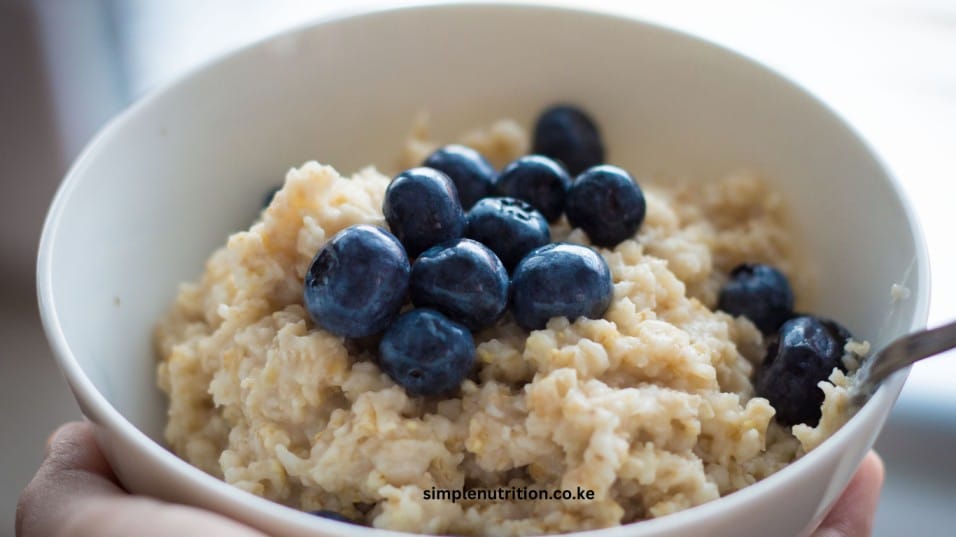
- Oat porridge with milk and banana
- Two boiled eggs with wholemeal toast
- Plain yoghurt with fruit and oats
- Sweet potatoes with beans
- Wholemeal bread with avocado and a boiled egg
Choose a breakfast that combines protein, fibre, and healthy carbohydrates.
Pack Your Lunch Whenever Possible
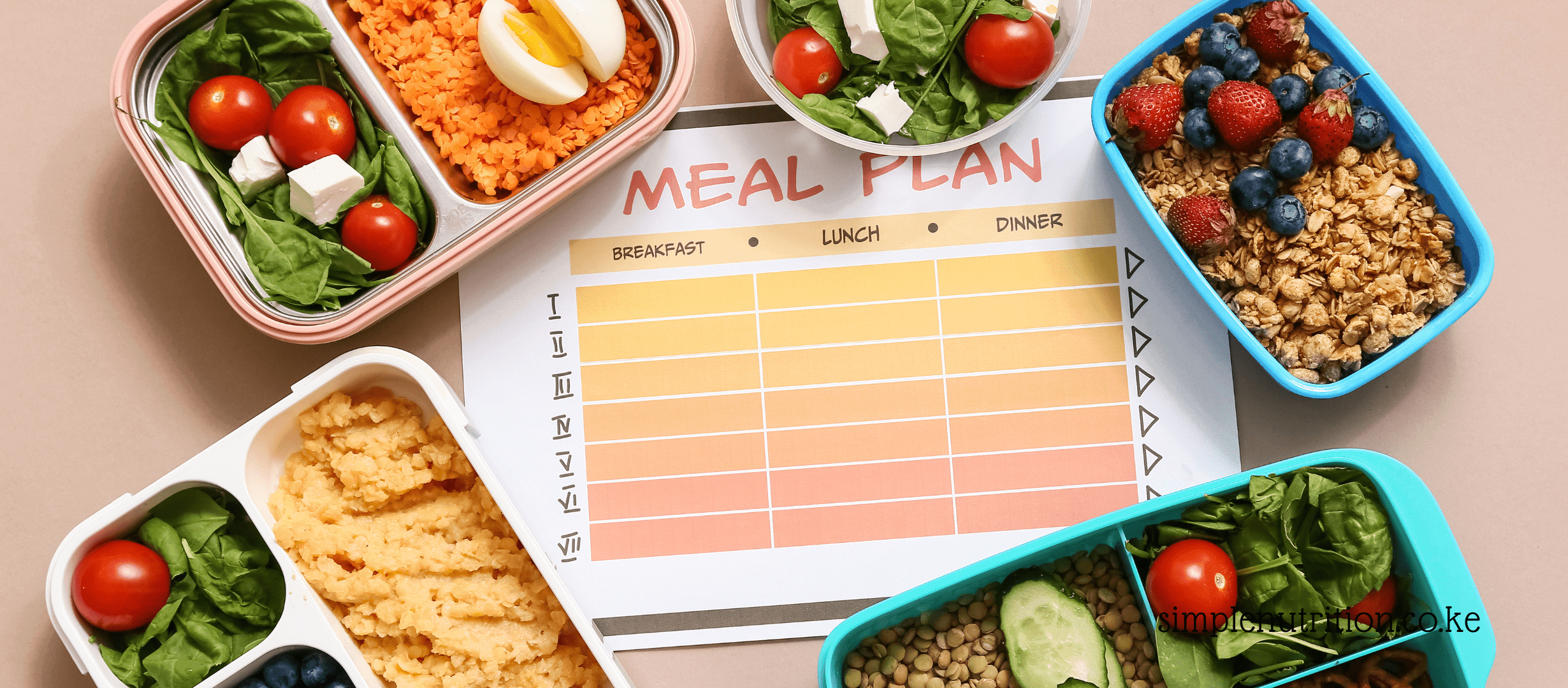
Packing lunch gives you more control over your portions and ingredients.
Simple Kenyan lunch ideas include:
| Lunch Idea | Why It Works |
|---|---|
| Brown rice, grilled chicken, and sukuma wiki | Balanced with protein, fibre, and complex carbohydrates. |
| Githeri with avocado and kachumbari | High in fibre, protein, and healthy fats. |
| Wholemeal chapati with ndengu and vegetables | Filling and provides steady energy. |
| Sweet potatoes with grilled fish and spinach | Rich in nutrients and keeps you satisfied. |
| Ugali, beef stew, and mixed vegetables | A balanced traditional meal when portions are appropriate. |
Keep Healthy Snacks at Work
Long gaps between meals often lead to unhealthy vending machine choices.
Instead, keep nutritious snacks at your desk.
Good options include:
- Apples
- Oranges
- Bananas
- Roasted groundnuts
- Plain yoghurt
- Boiled eggs
- Carrot sticks
- Cucumber slices
- Air-popped popcorn
- Unsweetened wholegrain crackers
Having healthy snacks available makes it easier to resist less nutritious options.
Stay Hydrated
It’s easy to mistake thirst for hunger.
Keep a reusable water bottle nearby and sip water throughout the day.
If you struggle to drink plain water, try adding:
- Lemon slices
- Mint leaves
- Cucumber slices
Limit sugary drinks and avoid relying on multiple sodas or energy drinks to stay awake.
Don’t Depend on Coffee for Energy
Coffee can improve alertness, but it shouldn’t replace meals.
If you’re drinking several cups of coffee just to get through the day, it may be a sign that you need:
- Better sleep
- More balanced meals
- Regular hydration
- Healthy snacks
Try reducing the amount of sugar added to your tea or coffee as well.
Avoid Eating at Your Desk Every Day
Eating while answering emails or attending meetings often leads to mindless eating.
Whenever possible:
- Step away from your desk.
- Focus on your meal.
- Eat slowly.
- Give yourself at least 15–20 minutes.
Even a short break can improve digestion and help you feel more satisfied.
Don’t Wait Until You’re Extremely Hungry
When you’re overly hungry, you’re more likely to overeat or choose whatever is quickest.
Aim to eat every 3–5 hours if that suits your schedule.
A healthy snack between meals can help maintain steady energy.
Prepare for Busy Days
Meal preparation doesn’t have to mean cooking for the entire week.
Simple preparation can include:
- Boiling eggs
- Washing fruits
- Cutting vegetables
- Cooking extra beans or githeri
- Portioning roasted groundnuts into small containers
Even 20 minutes of preparation can make healthy eating much easier.
Healthy Office Snack Ideas
| Snack | Benefits |
|---|---|
| Apple with roasted groundnuts | Fibre, healthy fats, and lasting energy. |
| Plain yoghurt with pawpaw | Protein, calcium, and probiotics. |
| Boiled eggs with cucumber | High in protein and very filling. |
| Banana with peanut butter | Quick energy plus healthy fats. |
| Air-popped popcorn | Whole grain and high in fibre. |
| Roasted maize | Filling and naturally rich in fibre. |
Eating Out During Busy Workdays
Sometimes packing lunch isn’t possible, and that’s okay.
When ordering food, try to:
- Choose grilled instead of deep-fried foods.
- Include vegetables with your meal.
- Choose water instead of sugary drinks.
- Watch portion sizes.
- Avoid making takeaway your everyday routine.
Healthy eating is about making better choices, not perfect ones.
A Sample Day of Healthy Eating at Work
| Time | Meal |
|---|---|
| 7:00 a.m. | Oat porridge with milk and banana |
| 10:00 a.m. | Apple and a handful of roasted groundnuts |
| 1:00 p.m. | Githeri, avocado, and kachumbari |
| 4:00 p.m. | Plain yoghurt and pawpaw |
| 7:00 p.m. | Grilled fish, sweet potatoes, and spinach |
This meal pattern provides steady energy without relying on sugary snacks throughout the day.
Healthy Habits for Busy Professionals
- Carry a reusable water bottle.
- Pack healthy snacks before leaving home.
- Don’t skip breakfast.
- Plan tomorrow’s lunch the night before.
- Keep fruit at your desk.
- Move around every hour, even if it’s just for a few minutes.
- Eat mindfully whenever possible.
- Get enough sleep to reduce cravings and fatigue.
Remember
Long workdays don’t have to derail your healthy eating goals. With a little planning and a few nutritious staples, you can stay energized, productive, and satisfied throughout even the busiest days.
Remember, you don’t need a perfect meal plan. Packing your lunch more often, drinking enough water, choosing balanced snacks, and avoiding long periods without eating are simple habits that can make a noticeable difference.
Healthy eating at work isn’t about willpower—it’s about preparation. The choices you make before your workday begins often determine how well you’ll nourish your body by the time it ends.
Discover more from Simple Nutrition
Subscribe to get the latest posts sent to your email.