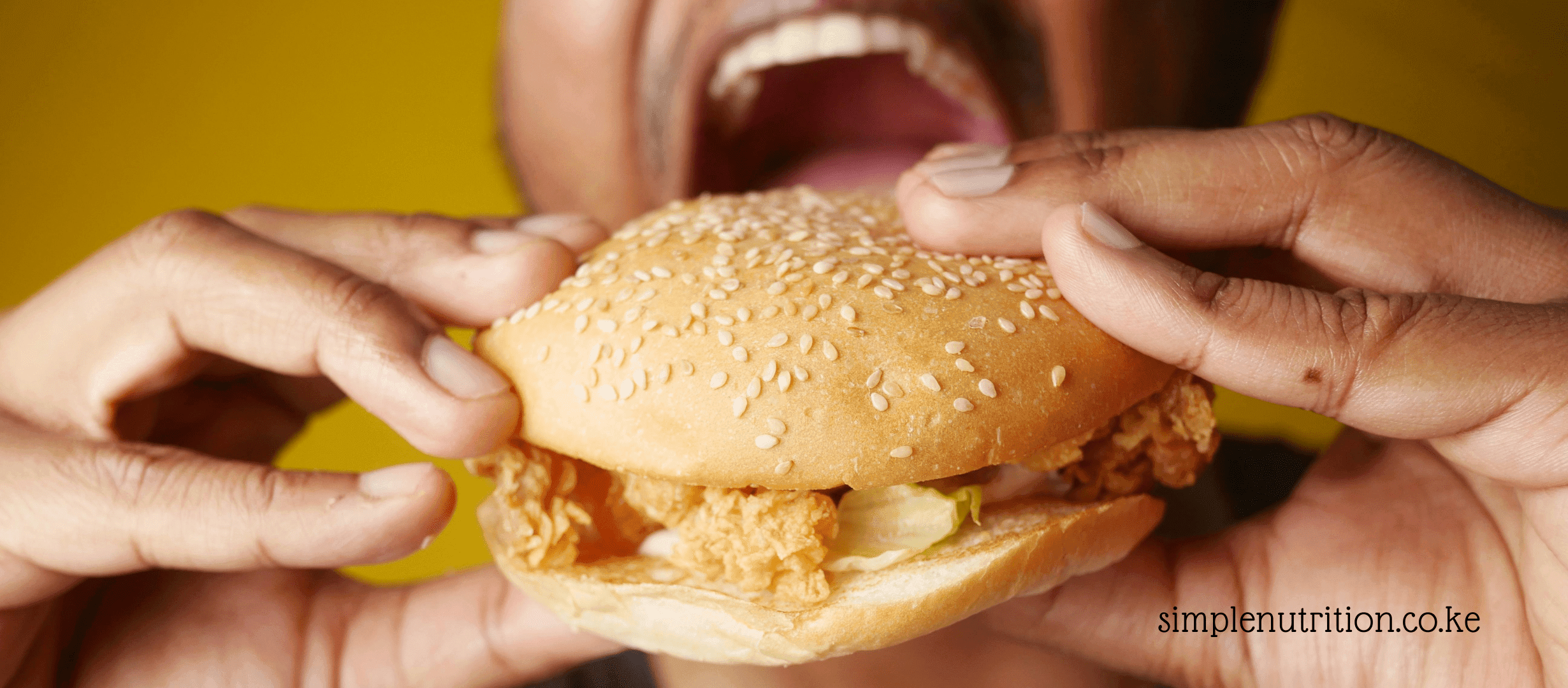

If you’ve ever tried to lose weight, you’ve probably heard someone say:
“Just have a cheat day.”
For many people, cheat days are seen as a reward for eating “clean” all week. Others believe they boost metabolism or make dieting easier.

But are cheat days actually helpful?
The answer isn’t as simple as yes or no.
Let’s look at what cheat days really are, the potential downsides, and why a more flexible approach to eating may be better for your long-term health.
What Is a Cheat Day?
A cheat day is a planned day when someone deliberately eats foods they normally avoid while dieting.
This might include:
- Pizza
- Burgers
- Chips
- Cake
- Ice cream
- Soda
- Chocolate
- Fast food
Some people enjoy one cheat meal, while others turn it into an entire day of unrestricted eating.
Why Do People Have Cheat Days?
People often include cheat days because they believe they:
- Prevent boredom with dieting
- Reward healthy eating
- Increase motivation
- Boost metabolism
- Help reduce cravings
While the first two reasons may be true for some people, the scientific evidence for metabolism “boosts” from cheat days is limited and doesn’t outweigh consistent healthy habits.
The Problem with the Word “Cheat”
The word “cheat” suggests that you’ve done something wrong.
It divides foods into two categories:
- “Good” foods
- “Bad” foods
This way of thinking can create guilt and shame around eating.
In reality, food has no moral value.
A slice of birthday cake doesn’t make you a bad person, just as eating a salad doesn’t make you a good person.
Healthy eating is about your overall dietary pattern—not one meal.
Cheat Days Can Lead to Overeating
Many people restrict themselves all week, telling themselves they’ll eat whatever they want on Saturday.
This often leads to:
- Extremely large portions
- Eating beyond fullness
- Feeling uncomfortable afterward
- Guilt
- Starting another restrictive diet on Monday
Instead of creating balance, this cycle can encourage an unhealthy relationship with food.
Can One Cheat Day Undo Your Progress?
One meal won’t ruin your progress.
However, a full day of overeating can significantly increase your calorie intake.
For example:
| Scenario | Approximate Impact |
|---|---|
| One slice of cake after dinner | Unlikely to have a major impact on long-term progress. |
| One takeaway meal with friends | Can fit into a balanced lifestyle when enjoyed occasionally. |
| Eating excessively all day because it’s a “cheat day” | May offset part of the calorie deficit created during the week. |
The occasional indulgence isn’t the problem. The habit of turning it into an all-day eating event can be.
Does a Cheat Day Boost Your Metabolism?
This is one of the biggest myths surrounding cheat days.
While eating more food temporarily increases the energy your body uses to digest that food (known as the thermic effect of food), this increase is modest and short-lived.
There is no strong evidence that regular cheat days dramatically boost metabolism or accelerate fat loss.
Your metabolism is influenced by many factors, including:
- Body size
- Muscle mass
- Age
- Physical activity
- Genetics
- Overall calorie intake over time
A Flexible Approach Works Better
Instead of having a “cheat day,” aim for a balanced eating pattern that allows room for foods you enjoy.
For example, you can enjoy:
- A slice of birthday cake
- Nyama choma at a family gathering
- A few pieces of chocolate
- Ice cream on a hot afternoon
- Pizza with friends
These foods can fit into a healthy lifestyle without needing to label the day as a “cheat.”
This approach is often easier to maintain because it removes the feeling of restriction.
How to Enjoy Treat Foods Without Guilt
When you choose to have a treat:
- Eat it slowly.
- Enjoy it without distractions.
- Stop when you’re satisfied.
- Avoid the mindset of “I might as well eat everything because I’ve already cheated.”
One enjoyable meal doesn’t define your health.
What If You’re Trying to Lose Weight?
You can still enjoy your favourite foods.
The key is moderation.
For example:
| Instead of… | Try… |
|---|---|
| Eating an entire large pizza alone | Enjoy two or three slices with a side salad. |
| Drinking several sugary sodas | Choose water or sparkling water with your meal. |
| Ordering chips with every takeaway | Share a portion or choose a smaller serving. |
| Having dessert after every meal | Enjoy it occasionally and savour it. |
Weight loss is determined by your overall eating pattern, not by one specific food.
Healthy Eating Doesn’t Mean Giving Up Your Favourite Foods
Many people believe they must completely avoid foods like:
- Chapati
- Pilau
- Mandazi
- Nyama choma
- Cake
- Chocolate
The truth is that completely banning favourite foods often makes them more tempting.
Including them occasionally in reasonable portions is usually more sustainable than trying to eliminate them forever.
A Better Mindset Than Cheat Days
Instead of asking:
“Can I have a cheat day?”
Try asking:
- Does this food fit into my overall eating pattern?
- Am I eating because I’m hungry or because I feel deprived?
- Can I enjoy this food without guilt?
- Will I still make balanced choices at my next meal?
These questions encourage a healthier relationship with food.
Healthy Eating Is About Consistency
Think about your eating habits over a month—not a single day.
If most of your meals include:
- Vegetables
- Fruits
- Whole grains
- Lean proteins
- Healthy fats
then enjoying occasional treats is unlikely to prevent you from reaching your health goals.
Consistency matters much more than perfection.
Cheat days aren’t necessary for good health or successful weight management. In fact, for some people, they can encourage an unhealthy cycle of restriction, overeating, and guilt.
A more sustainable approach is to build a balanced way of eating that includes nutritious foods most of the time while leaving room for the foods you love.
Remember, no single meal will make or break your progress. It’s the choices you make consistently that have the greatest impact on your health.
Rather than striving for perfection, aim for balance, flexibility, and enjoyment. Those are the habits that truly last.
Discover more from Simple Nutrition
Subscribe to get the latest posts sent to your email.