One of the easiest ways to eat healthier isn’t learning complicated recipes or following the latest diet trend—it’s simply stocking your kitchen with the right foods.

Think about it. When your kitchen is filled with nutritious options, you’re much more likely to prepare healthy meals. On the other hand, if your cupboards are full of biscuits, crisps, sugary drinks, and instant noodles, those are the foods you’ll naturally reach for when you’re hungry.
A healthy kitchen doesn’t have to be expensive or filled with imported “superfoods.” Kenya has an abundance of affordable, nutritious foods that can help you build balanced meals every day.
Here’s what every healthy Kenyan kitchen should include.
Why Your Kitchen Matters
Your home environment has a powerful influence on your eating habits.
When healthy foods are easy to see and easy to prepare, making nutritious choices becomes much simpler.
A well-stocked kitchen can also help you:
- Save money
- Reduce takeaway meals
- Waste less food
- Prepare meals more quickly
- Eat a wider variety of nutrients
Fresh Vegetables
Aim to include a variety of vegetables each week.
Good choices include:
- Sukuma wiki
- Spinach
- Cabbage
- Tomatoes
- Onions
- Carrots
- Bell peppers
- Cucumbers
- Broccoli (when available)
- Traditional vegetables like managu, terere, and mrenda
These vegetables provide fibre, vitamins, minerals, and antioxidants that support overall health.
Fresh Fruits
Keep a selection of seasonal fruits available for snacks and desserts.
Examples include:
- Bananas
- Oranges
- Pawpaw
- Watermelon
- Pineapple
- Mangoes
- Apples
- Pears
- Tree tomatoes
- Passion fruits
Buying fruits that are in season is often more affordable.
Protein-Rich Foods
Protein helps keep you full and supports muscle maintenance.
Stock your kitchen with:
- Eggs
- Chicken
- Fish
- Omena
- Lean beef
- Plain yoghurt
- Milk
- Beans
- Green grams (ndengu)
- Lentils
Canned tuna is also a convenient option for busy days.
Whole Grains and Healthy Carbohydrates
Choose carbohydrates that provide fibre and long-lasting energy.
Good options include:
- Oats
- Brown rice
- Wholemeal bread
- Wholemeal flour
- Sweet potatoes
- Arrowroots (nduma)
- Irish potatoes
- Whole maize flour
- Githeri (maize and beans)
These foods are filling and provide important nutrients.
Healthy Fats
Healthy fats are an important part of a balanced diet.
Keep foods like:
- Avocados
- Groundnuts
- Natural peanut butter
- Sunflower seeds
- Pumpkin seeds
Use cooking oils in moderation.
Dairy and Alternatives
If you consume dairy, keep:
- Plain yoghurt
- Milk
- Cheese (occasionally)
Choose unsweetened options whenever possible.
Herbs, Spices and Flavour Boosters
Healthy meals don’t have to be bland.
Keep these on hand:
- Garlic
- Ginger
- Turmeric
- Black pepper
- Curry powder
- Paprika
- Fresh coriander
- Dhania
- Lemon
- Cinnamon
These add flavour without relying on excess salt.
Pantry Essentials
A healthy pantry makes quick meals much easier.
| Food | Why You Should Keep It |
|---|---|
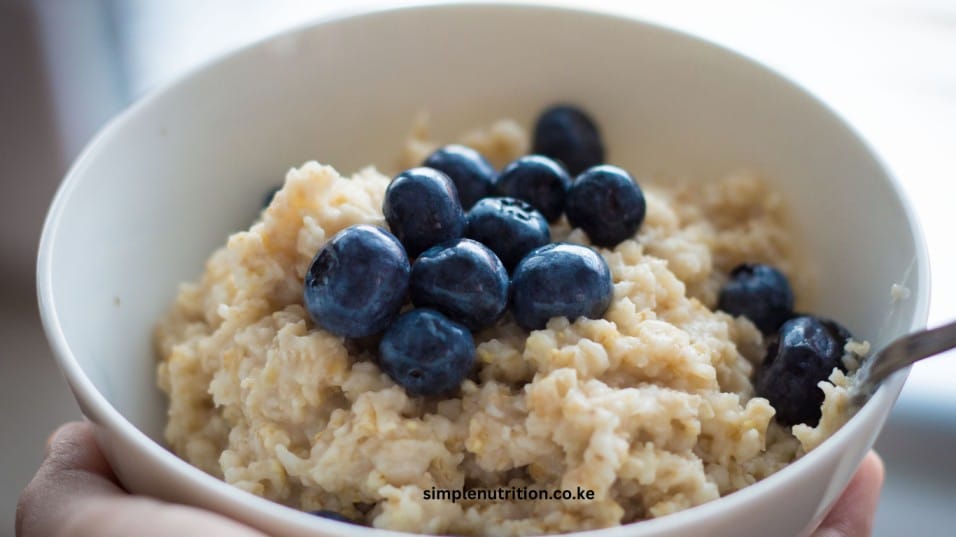
| Oats | Quick breakfast and smoothie ingredient. |
| Beans | Affordable source of plant protein and fibre. |
| Green grams (ndengu) | Nutritious, filling, and versatile. |
| Lentils | Cook quickly and are rich in protein. |
| Brown rice | Provides long-lasting energy. |
| Wholemeal flour | Great for healthier chapatis. |
| Canned tuna | Convenient protein for busy days. |
| Peanut butter | Healthy fat and protein source. |
| Groundnuts | Easy snack and meal addition. |
| Popcorn kernels | A healthier snack than crisps. |
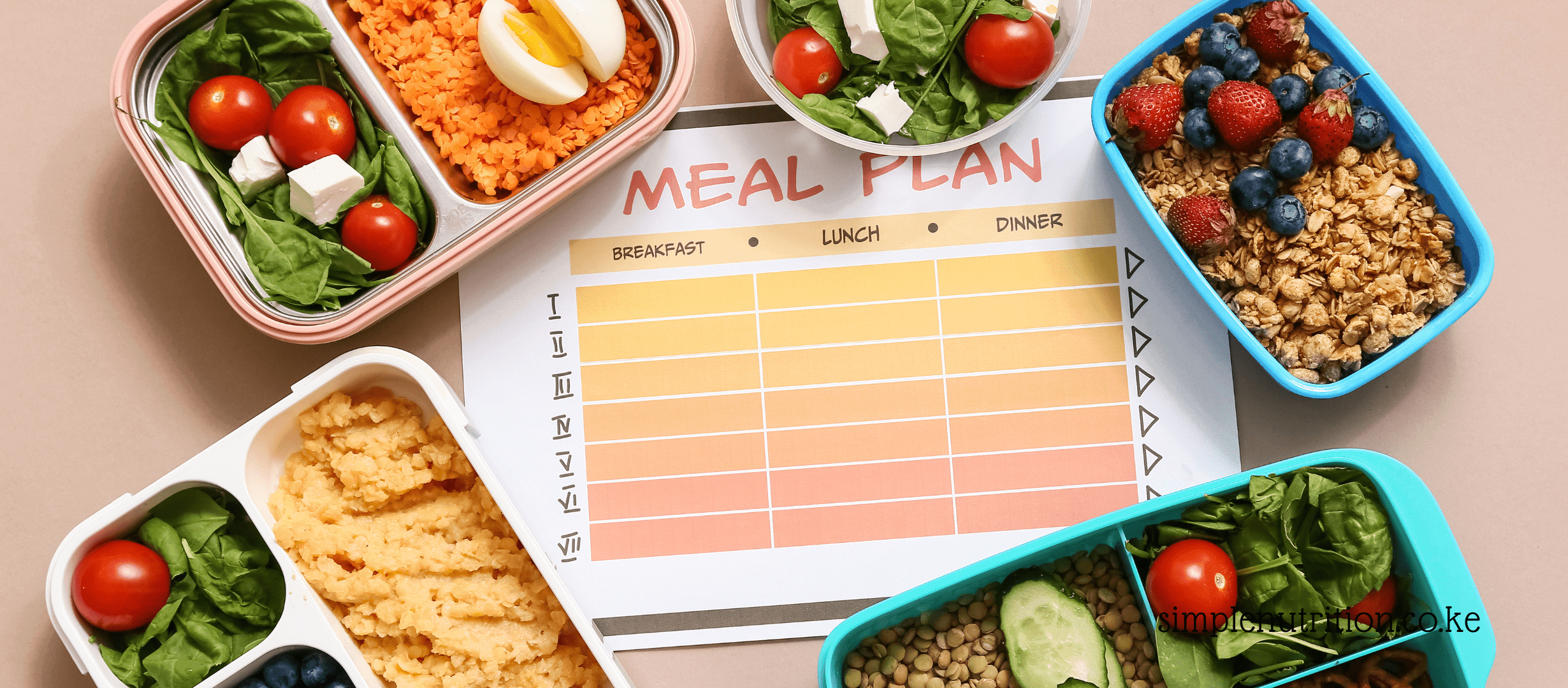
Foods Worth Preparing in Advance
Meal preparation doesn’t have to mean cooking every meal for the week.
Preparing a few basics can save time.
Consider:
- Boiling eggs
- Cooking beans
- Preparing githeri
- Boiling sweet potatoes
- Boiling nduma
- Washing vegetables
- Cutting fruits
- Portioning roasted groundnuts into small containers
Having these foods ready makes healthy eating much more convenient.
Healthy Freezer Staples
Your freezer can be a lifesaver on busy days.
Keep:
- Frozen vegetables
- Frozen fish
- Frozen chicken
- Homemade soups
- Leftover cooked beans
- Cooked githeri
- Homemade stew
Freezing leftovers reduces food waste and gives you healthy meals when you’re short on time.
Healthy Snacks to Always Have
Instead of relying on crisps and sweets, keep nutritious snacks within easy reach.
Ideas include:
- Apples
- Bananas
- Oranges
- Plain yoghurt
- Roasted groundnuts
- Boiled eggs
- Air-popped popcorn
- Carrot sticks
- Cucumber slices
These options are filling and rich in nutrients.
Foods You Don’t Need to Eliminate
Healthy eating doesn’t mean banning your favourite foods.
You can still enjoy:
- Chapati
- Pilau
- Nyama choma
- Mandazi
- Cake
- Ice cream
The goal is to enjoy them occasionally while making nutritious foods the foundation of your diet.
Your Healthy Kenyan Kitchen Checklist
| Category | Examples |
|---|---|
| Vegetables | Sukuma wiki, spinach, cabbage, carrots, tomatoes, onions, managu, terere |
| Fruits | Bananas, oranges, pawpaw, pineapple, mangoes, apples |
| Protein | Eggs, beans, ndengu, fish, chicken, omena, yoghurt, milk |
| Healthy Carbohydrates | Oats, brown rice, sweet potatoes, nduma, wholemeal bread, githeri |
| Healthy Fats | Avocados, groundnuts, peanut butter, seeds |
| Healthy Snacks | Fruit, yoghurt, boiled eggs, popcorn, roasted groundnuts |
| Pantry Staples | Beans, oats, lentils, brown rice, canned tuna |
| Herbs & Spices | Garlic, ginger, turmeric, cinnamon, black pepper, coriander |
A healthy lifestyle begins long before you sit down to eat. It starts with the foods you choose to bring into your home.
You don’t need a pantry full of expensive imported products to eat well. A kitchen stocked with affordable Kenyan staples—such as beans, eggs, fruits, vegetables, sweet potatoes, nduma, whole grains, and healthy snacks—makes it much easier to prepare balanced meals every day.
Start by making small changes. Add one or two healthier items to your shopping basket each week, prepare a few foods in advance, and gradually build a kitchen that supports your health goals. Over time, these simple habits can make healthy eating feel effortless.
Discover more from Simple Nutrition
Subscribe to get the latest posts sent to your email.