
Breakfast can set the tone for your entire day—especially if you’re living with diabetes.
After an overnight fast, the first meal you eat can influence your blood sugar levels, energy, hunger, and food choices for the rest of the day. A balanced breakfast can help reduce blood sugar spikes, improve satiety, and provide steady energy.

The good news is that a diabetes-friendly breakfast doesn’t have to be expensive or complicated. Many everyday Kenyan foods can be combined to create delicious and nourishing meals.
What Makes a Good Breakfast for Diabetes?
A balanced breakfast should include:
- A source of protein
- High-fibre carbohydrates
- Healthy fats
- Plenty of vitamins and minerals
This combination helps slow digestion, keeps you feeling full for longer, and supports more stable blood sugar levels.
Foods to Include More Often
Choose these foods regularly:
- Eggs
- Plain yoghurt
- Milk
- Oats
- Sweet potatoes
- Arrowroots (nduma)
- Beans
- Green grams (ndengu)
- Wholemeal bread
- Avocados
- Fresh vegetables
- Fruits like apples, oranges, berries, and pawpaw (in appropriate portions)
Foods to Limit
These foods can cause rapid blood sugar spikes when eaten in large amounts:
- Sugary breakfast cereals
- Sweetened yoghurt
- White bread
- Cakes
- Doughnuts
- Mandazi
- Sugary tea and coffee
- Fruit juices
- Sweetened soft drinks
Limiting these foods doesn’t mean you can never enjoy them—it simply means they shouldn’t form the basis of your daily breakfast.
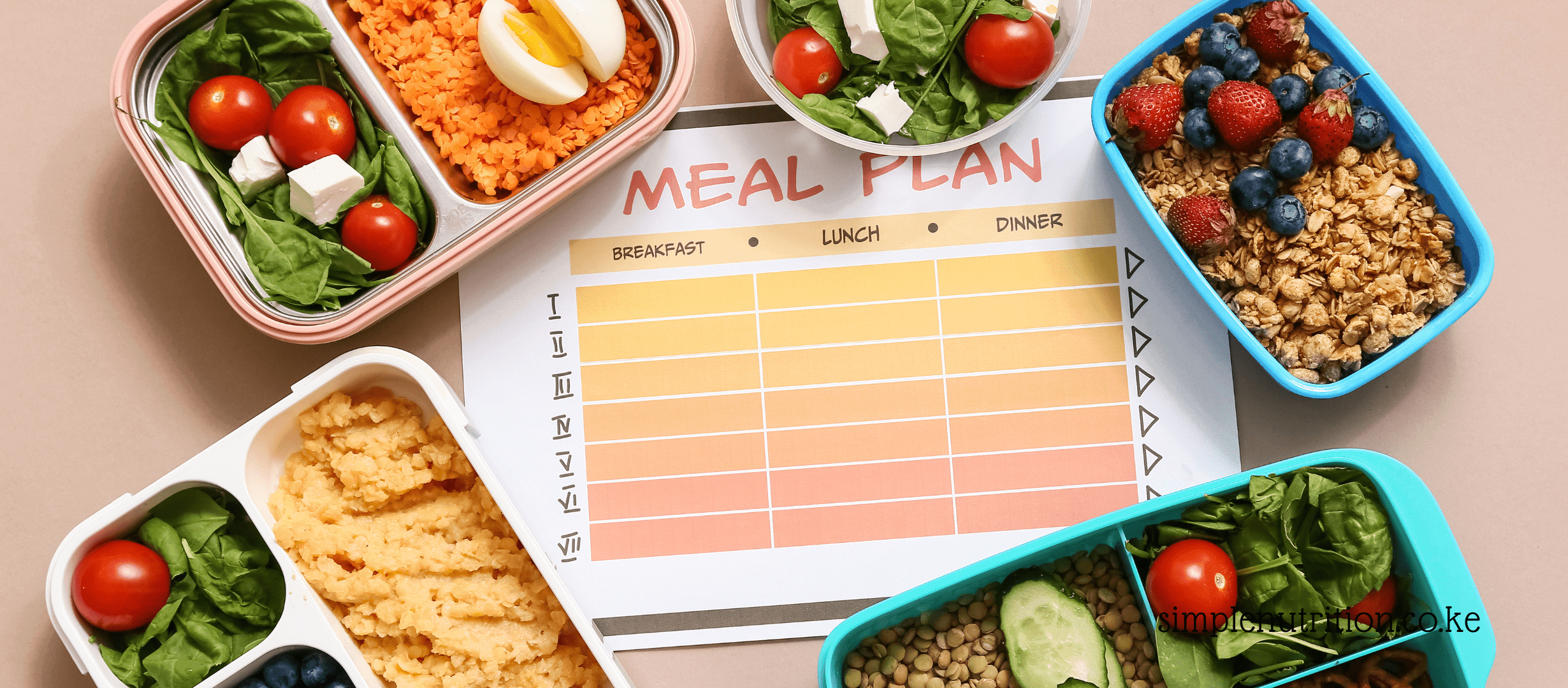
15 Diabetes-Friendly Breakfast Ideas
| Breakfast | Why It’s a Good Choice |
|---|---|
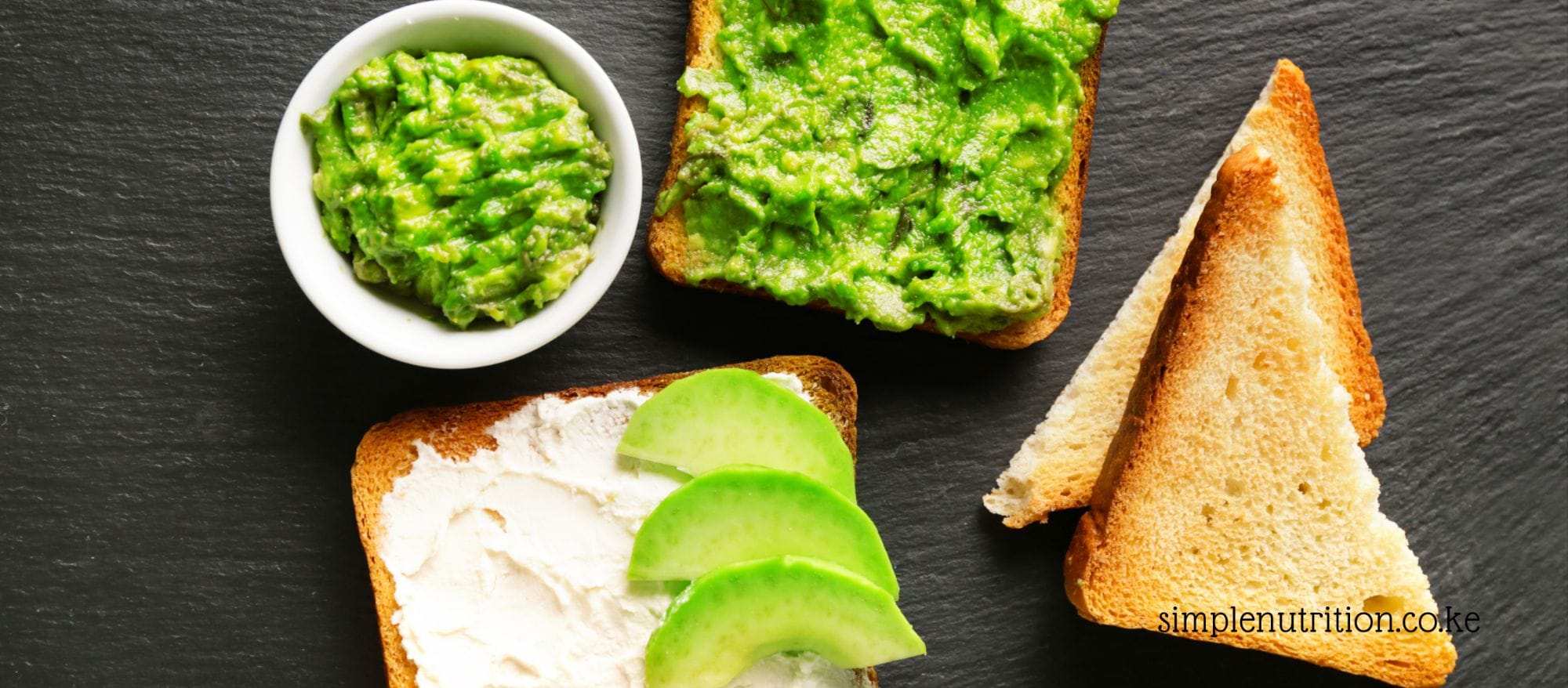
| 2 boiled eggs, wholemeal toast, and avocado | High in protein, fibre, and healthy fats to support steady blood sugar. |
| Plain yoghurt with oats, chia seeds, and pawpaw | Provides protein, fibre, and probiotics. |
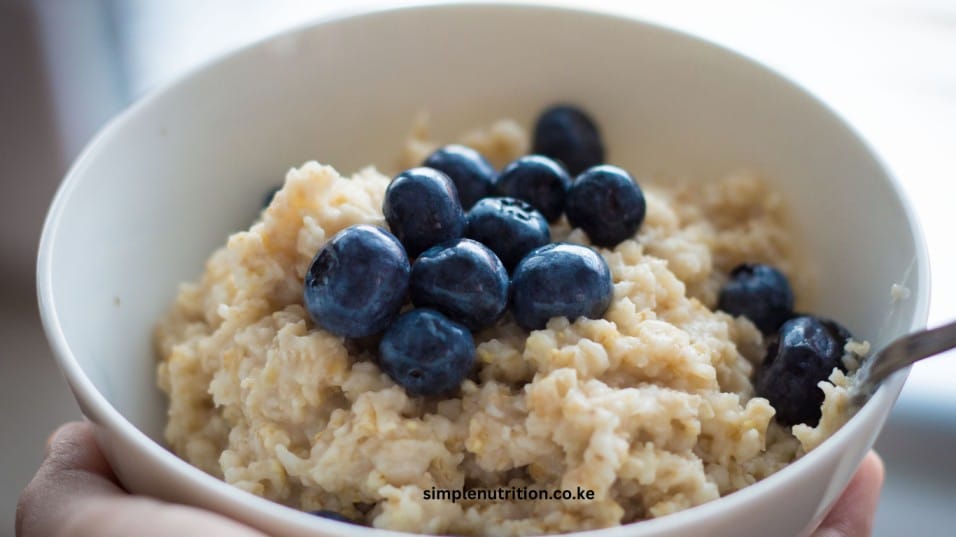
| Oat porridge made with milk, topped with cinnamon and roasted groundnuts | A filling breakfast with slow-releasing carbohydrates. |
| Sweet potatoes with boiled eggs | A balanced combination of complex carbohydrates and protein. |
| Nduma (arrowroots) with avocado and a boiled egg | High in fibre and satisfying. |
| Githeri with fresh kachumbari | Rich in plant protein and fibre. |
| Wholemeal chapati with ndengu (green grams) | Provides sustained energy and protein. |
| Plain yoghurt with apple slices and a handful of nuts | Quick, convenient, and blood sugar friendly. |
| Vegetable omelette with tomatoes, spinach, and onions | Low in carbohydrates and packed with nutrients. |
| Brown bread with natural peanut butter and a small orange | Healthy fats, fibre, and vitamin C. |
| Cottage cheese with cucumber and tomatoes | High in protein and low in refined carbohydrates. |
| Leftover beans with sliced avocado | A nutritious, affordable Kenyan breakfast. |
| Millet or sorghum porridge made without added sugar, served with boiled eggs | Traditional, high in fibre, and filling. |
| Grilled fish with sweet potatoes (great for those working night shifts) | Rich in protein and omega-3 fats. |
| Smoothie made with plain yoghurt, oats, peanut butter, and a small banana | A balanced option for busy mornings. |
Build Your Own Diabetes-Friendly Breakfast
Use this simple guide:
| Choose One From Each Column |
|---|
| Protein | High-Fibre Carbohydrate | Healthy Fat | Fruit or Vegetables |
|---|---|---|---|
| Eggs | Oats | Avocado | Tomatoes |
| Plain yoghurt | Sweet potatoes | Groundnuts | Spinach |
| Milk | Wholemeal bread | Peanut butter | Cucumber |
| Beans | Nduma | Seeds | Pawpaw |
| Ndengu | Millet porridge | Nuts | Apple |
Mix and match to create breakfasts that suit your taste and schedule.
Morning Habits That Support Blood Sugar
Along with choosing balanced meals, these habits can help:
- Eat breakfast consistently if it fits your routine.
- Avoid drinking sugary beverages.
- Drink water before or with your meal.
- Include protein at breakfast.
- Avoid eating in a rush.
- If prescribed diabetes medication or insulin, follow your healthcare provider’s advice regarding meal timing.
Common Breakfast Mistakes
Avoid these common habits:
- Drinking tea with several teaspoons of sugar.
- Eating only white bread with margarine.
- Having fruit juice instead of whole fruit.
- Skipping breakfast and overeating later.
- Choosing sugary cereals because they are labelled as “healthy.”
Small improvements can make a meaningful difference over time.
Frequently Asked Questions
Can I eat fruit if I have diabetes?
Yes. Whole fruits provide fibre, vitamins, and minerals. Choose whole fruit instead of fruit juice, and enjoy appropriate portions as part of a balanced meal.
Is ugali a good breakfast?
Ugali can be part of a healthy breakfast when paired with protein (such as eggs, beans, or omena) and vegetables. Portion size is important.
Can I drink tea?
Yes. Unsweetened tea or tea with little or no added sugar is generally a better option than sugar-sweetened beverages.
Remember
Living with diabetes doesn’t mean giving up enjoyable breakfasts. The key is to focus on meals that combine protein, fibre, healthy fats, and minimally processed carbohydrates.
Simple Kenyan foods like eggs, oats, nduma, sweet potatoes, beans, plain yoghurt, and avocado can help you create breakfasts that are satisfying, nutritious, and supportive of healthy blood sugar levels.
Rather than searching for a “perfect” breakfast, aim for consistency. Small, balanced choices each morning can make a meaningful difference to your energy, blood sugar management, and overall health.
Discover more from Simple Nutrition
Subscribe to get the latest posts sent to your email.