
Breakfast is often called the most important meal of the day, but simply eating breakfast isn’t enough. The real question is: How good is your breakfast?
A breakfast that leaves you hungry an hour later, causes a mid-morning energy crash, or is packed with sugar may not be giving your body what it needs.
A good breakfast should fuel your body, keep you satisfied, help you concentrate, and provide the nutrients you need to start the day. Whether you’re rushing to work, getting children ready for school, or heading to the gym, making better breakfast choices can improve your energy, mood, and overall health.
Let’s take a closer look at what makes a breakfast healthy and how you can improve yours using foods that are easily available in Kenya.
Why Breakfast Matters
After sleeping for several hours, your body has gone without food for a long time. Breakfast helps replenish your energy stores and provides nutrients needed for your brain and muscles to function well.
A balanced breakfast can:
- Improve concentration and memory
- Provide steady energy throughout the morning
- Reduce cravings for sugary snacks
- Support healthy blood sugar levels
- Help maintain a healthy weight
- Increase feelings of fullness
- Improve overall nutrient intake
However, these benefits depend on what you eat, not just whether you eat breakfast.
Is Your Breakfast Working for You?
Ask yourself these questions:
- Am I hungry again within one or two hours?
- Do I feel tired before lunchtime?
- Do I crave sugary snacks mid-morning?
- Does my breakfast keep me full until lunch?
- Does it include different food groups?
If your answer is “yes” to the first three questions, your breakfast may need some improvements.
What Makes a Healthy Breakfast?
A nutritious breakfast contains a combination of:
Protein
Protein helps you stay full for longer and supports muscle repair and growth.
Good sources include:
- Eggs
- Plain yoghurt
- Milk
- Beans
- Peanut butter
- Cheese
Fibre
Fibre slows digestion, supports gut health, and helps control blood sugar.
Choose:
- Oats
- Wholemeal bread
- Fruits
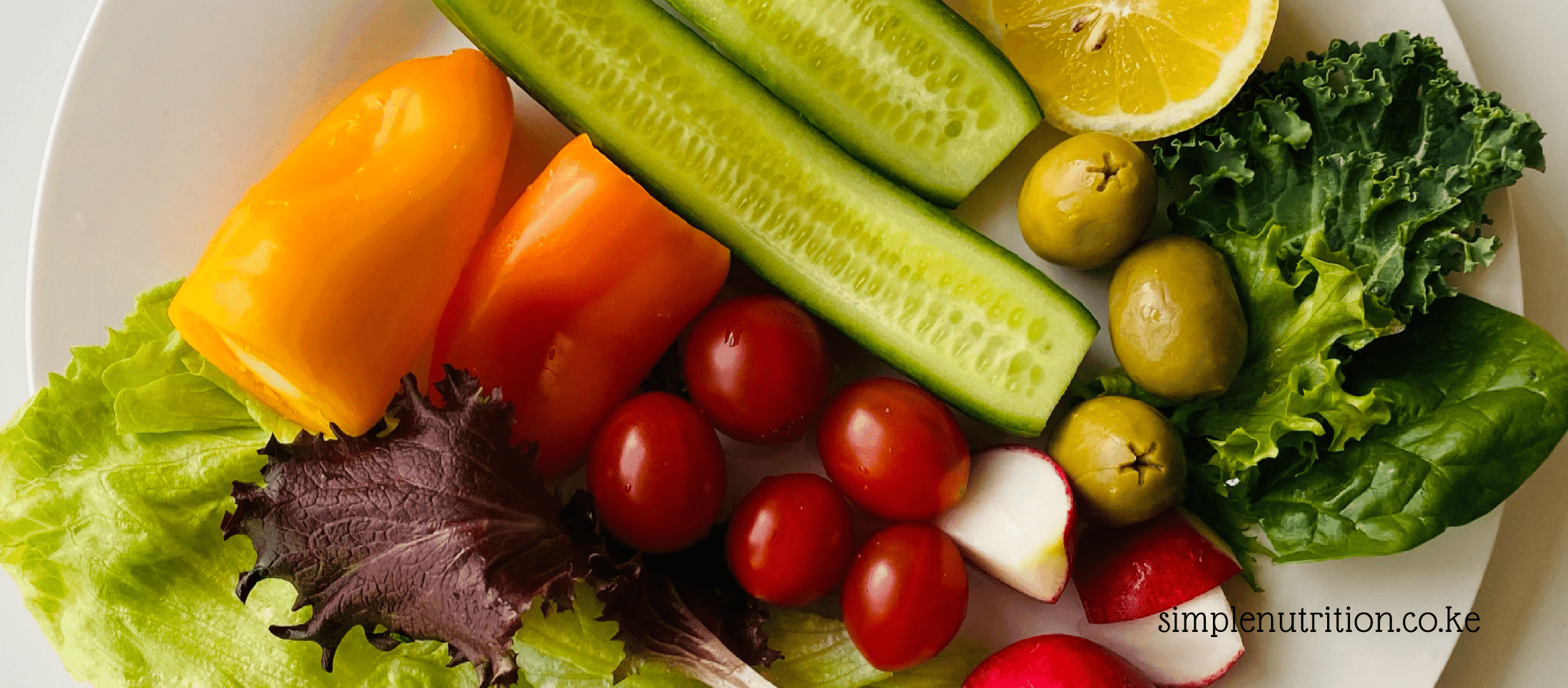
- Vegetables
- Sweet potatoes
- Arrowroots (nduma)
Healthy Fats
Healthy fats improve satiety and help absorb certain vitamins.
Examples include:
- Avocado
- Groundnuts
- Peanut butter
- Seeds
Healthy Carbohydrates
Carbohydrates provide energy, but choosing whole, minimally processed options is important.
Good choices include:
- Oats
- Sweet potatoes
- Arrowroots
- Wholemeal bread
- Whole grain cereals
Common Breakfast Mistakes
Breakfast of Tea and Bread Only
Many people have a cup of tea with white bread and assume they’ve had breakfast.
While this provides some energy, it’s often low in protein and fibre, meaning hunger returns quickly.
Sugary Breakfast Cereals
Many cereals marketed as healthy contain large amounts of added sugar.
Instead, choose plain oats or low-sugar cereals and add fresh fruit.
Skipping Breakfast
Some people skip breakfast because they’re busy or trying to lose weight.
This can lead to excessive hunger later in the day, making overeating more likely.
Drinking Sweetened Tea or Coffee
Adding several teaspoons of sugar to tea or coffee every morning increases your daily sugar intake.
Try reducing the sugar gradually or drinking your beverages without added sugar.
Eating Too Little
A single banana or one biscuit may not provide enough nutrition to sustain you through the morning.
Aim for a meal that combines protein, fibre, and healthy carbohydrates.
Healthy Kenyan Breakfast Ideas
Option 1
- Two boiled eggs
- One slice of wholemeal bread
- Half an avocado
- Unsweetened tea
Option 2
- Plain yoghurt
- Pawpaw
- Oats
- Chia seeds
Option 3
- Sweet potatoes
- Beans
- Fresh tomato slices
Option 4
- Arrowroots (nduma)
- Boiled eggs
- Fresh fruit
Option 5
- Oat porridge made with milk
- Banana
- Groundnuts
Option 6
- Wholemeal chapati
- Ndengu (green grams)
- Fresh vegetables
Option 7
- Wholemeal toast
- Natural peanut butter
- Orange
Option 8
- Leftover githeri
- Avocado
- Fresh fruit
There’s nothing wrong with eating nutritious leftovers for breakfast if they provide a good balance of nutrients.
How to Build a Better Breakfast
A simple way to plan your breakfast is to include:
- One protein source
- One fibre-rich carbohydrate
- One fruit or vegetable
- A healthy fat
For example:
- Oats + milk + banana + groundnuts
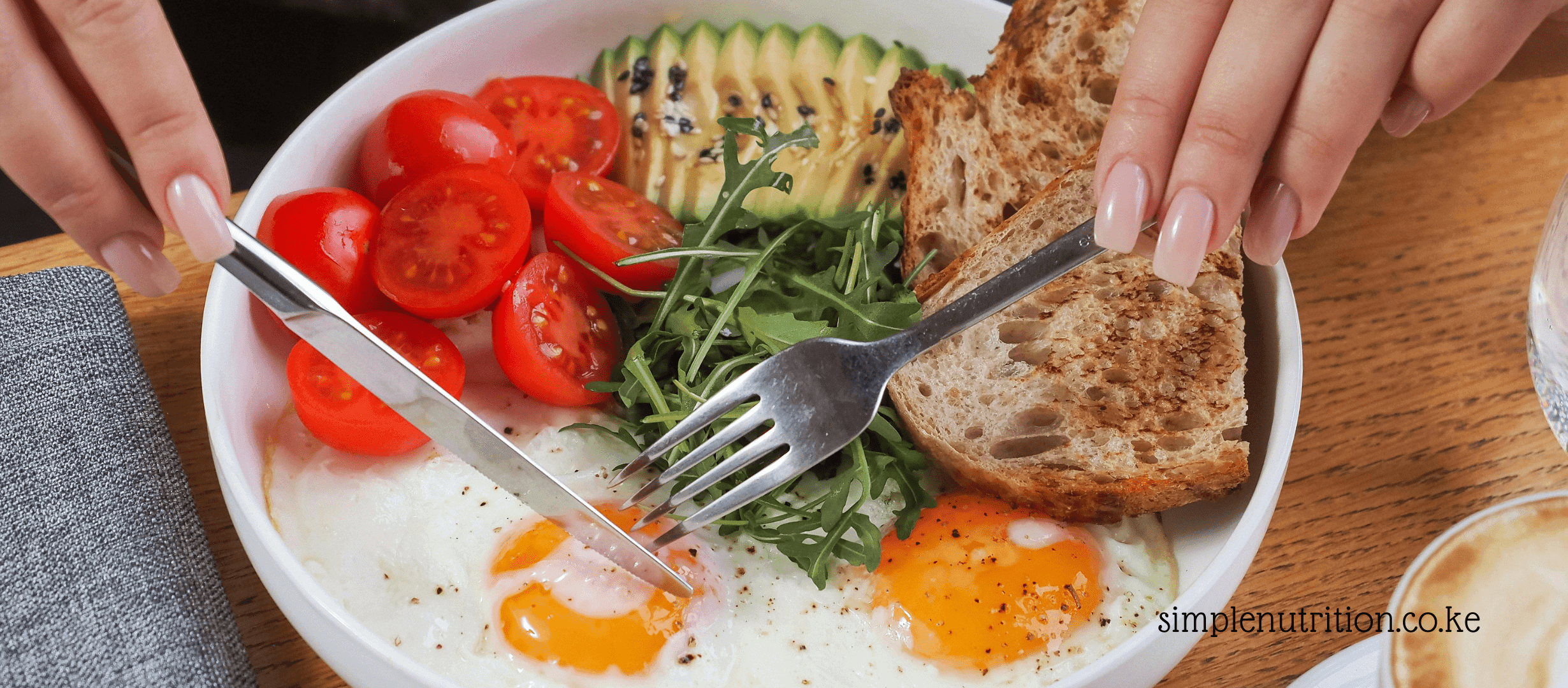
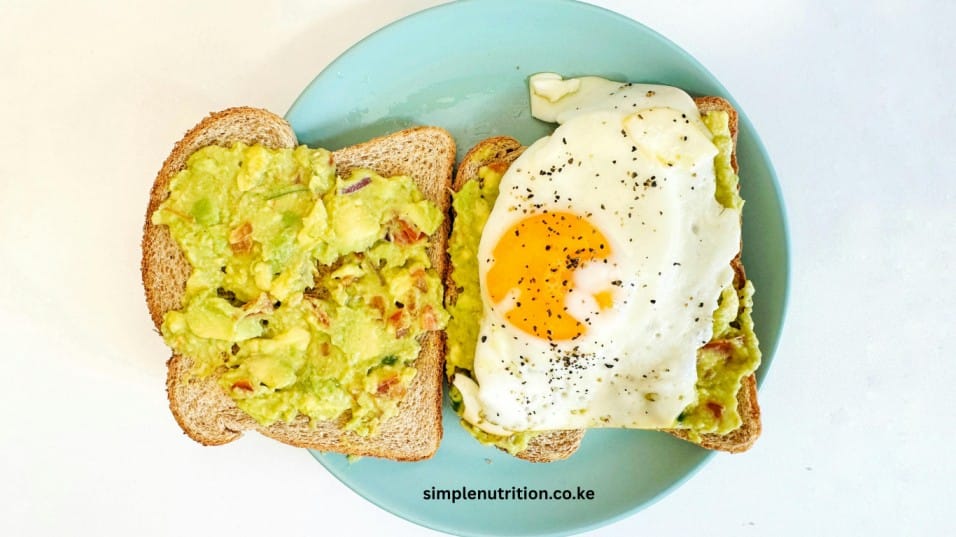
- Eggs + wholemeal bread + avocado
- Yoghurt + fruit + oats + seeds
This combination provides lasting energy and helps prevent mid-morning hunger.
Breakfast and Blood Sugar
For people living with diabetes or prediabetes, breakfast plays an important role in managing blood sugar levels.
A breakfast high in refined carbohydrates and sugar can cause blood sugar to rise quickly.
Instead, choose meals that combine protein, fibre, and healthy fats to help slow digestion and support more stable blood sugar levels.
Examples include:
- Eggs with wholemeal toast
- Plain yoghurt with fruit and seeds
- Sweet potatoes with beans
- Oats cooked with milk and topped with nuts
Quick Breakfasts for Busy Mornings
If you’re always rushing, try these options:
- A boiled egg and a banana
- Plain yoghurt with fruit
- Peanut butter on wholemeal bread
- Overnight oats prepared the night before
- A homemade smoothie with milk, oats, peanut butter, and fruit
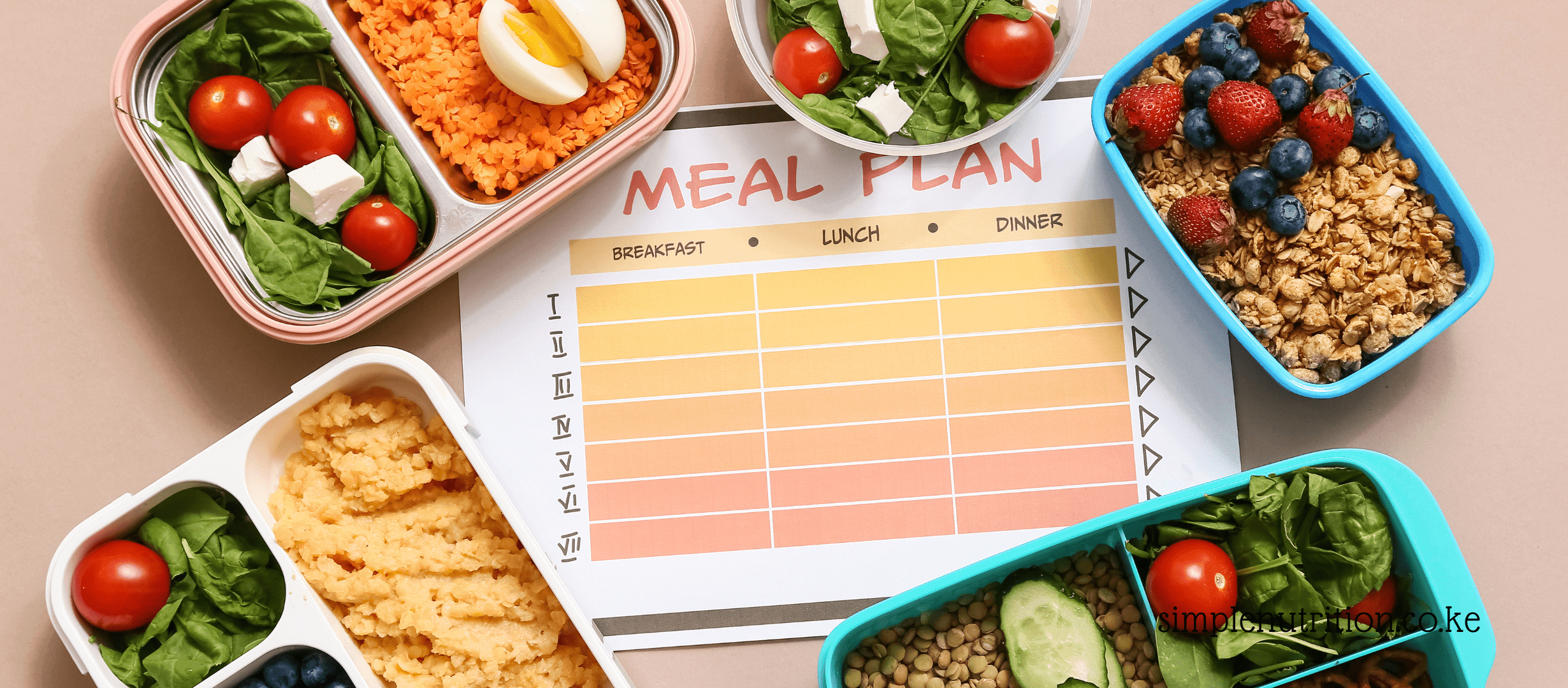
Preparing breakfast in advance can save time and make healthy choices easier.
Does Everyone Need Breakfast?
Not necessarily.
Some people naturally prefer eating later in the morning, while others wake up hungry.
The most important thing is to choose nourishing foods when you do eat and ensure you’re meeting your nutritional needs throughout the day.
If you consistently skip breakfast because of a lack of appetite, that’s different from skipping it because you’re too busy or relying on coffee to get through the morning.
The Breakfast Challenge
Tomorrow morning, take a look at your breakfast and ask yourself:
- Does it contain protein?
- Does it include fibre?
- Will it keep me full until lunch?
- Does it include too much added sugar?
- Could I add a fruit or vegetable?
Even one small improvement—such as swapping white bread for wholemeal bread, adding an egg, or including a piece of fruit—can make your breakfast more nourishing.
Remember
A healthy breakfast doesn’t have to be expensive or complicated. In Kenya, foods like eggs, oats, sweet potatoes, nduma, beans, avocado, fruits, and plain yoghurt can come together to create meals that are affordable, satisfying, and packed with nutrients.
Instead of asking, “Did I eat breakfast?” start asking, “How good was my breakfast?”
That simple shift in thinking can help you build healthier habits that support your energy, productivity, and long-term health.
Discover more from Simple Nutrition
Subscribe to get the latest posts sent to your email.