
Managing Type 1 Diabetes in a growing child or teenager is a daily balancing act. When your child is on a regimen of basal insulin like Levemir and mealtime rapid insulin like NovoRapid, snacks can feel like a minefield.

How do you satisfy a growing adolescent’s hunger without triggering a blood sugar rollercoaster or constantly “stacking” insulin doses?
The golden secret lies in mastering “free snacks” or low-carbohydrate options that fall strictly under 15 grams of total carbohydrates. For many children, snacks under this threshold do not require an extra NovoRapid injection (always verify your specific target with your clinic!).
To make your life simpler, we have compiled a list of 10 easily accessible, nutrient-dense Kenyan snacks that keep blood sugar stable and active bodies fueled.
Zero to Ultra-Low Carb Snacks (0g – 5g Carbs)
These protein- and fat-rich options have virtually zero impact on blood sugar curves and do not require insulin coverage.
- Mayai Chemsha (Boiled Eggs): A single hard-boiled egg contains just 0.5g of carbohydrates but is packed with high-quality protein to keep them full for hours. Serve it plain or with a tiny pinch of salt.
- Nyama Choma Pieces: Leftover roast beef, goat, or chicken pieces contain 0g of carbohydrates. Protein provides a slow, stable source of energy without post-snack spikes.
- Mishkaki (Meat Skewers): One or two small grilled beef skewers (0g carbs) make an excellent after-school protein boost, provided they aren’t coated in sweet or honey-based marinades.
- String Cheese or Cheddar Cubes: A great pocket-friendly option for school bags, containing less than 1g of carbs per serving.
Crunchy & Nutty Local Picks (5g – 10g Carbs)
Packed with healthy, heart-dense fats and dietary fiber, these local crops slow down digestion beautifully.
- Roasted Groundnuts (Njugu): A small handful (approx. 30g) of plain roasted groundnuts contains roughly 5g of total carbohydrates. Avoid the commercial sugar-coated varieties.
- Roasted Macadamia Nuts: Kenya produces world-class macadamias. A 30g serving yields just 4g of carbohydrates and is highly satisfying for hungry teenagers.
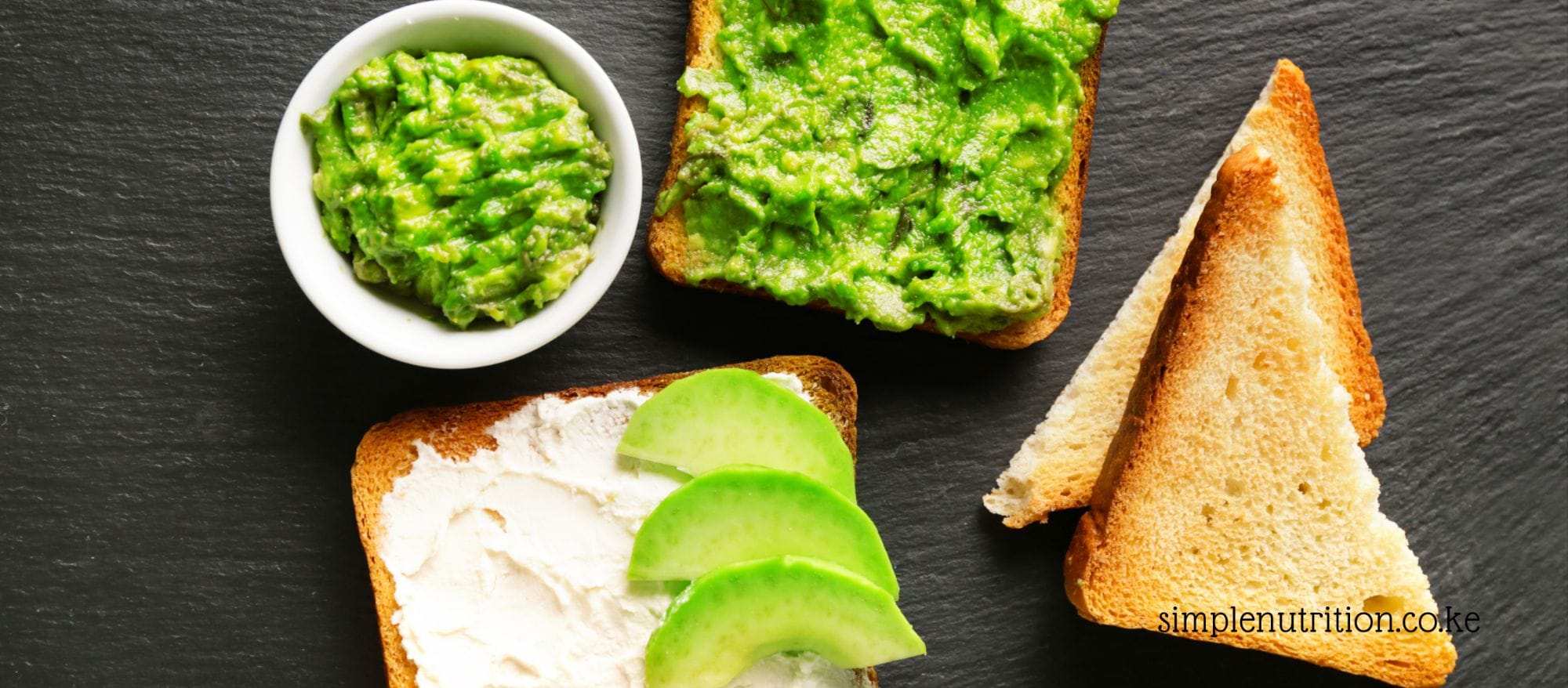
- Parachichi (Local Avocado): Half a medium avocado eaten straight from the skin with a spoon contains about 6g of total carbohydrates—but because it is mostly fiber, its net impact on blood sugar is close to zero.
Local Fruits & Bites Approaching the Limit (10g – 15g Carbs)
Portion control is key for these options to ensure they stay strictly under the 15g carbohydrate threshold.
- Mahindi Choma (Roasted Maize): While a full cob is too high in carbs for a quick snack, 1/4 of a standard cob or a very small handful of loose kernels sits safely at around 10g–12g of complex carbs.
- Passion Fruit: Scooping out the seeds of 2 to 3 medium passion fruits delivers an intense flavor burst for just 10g–12g of carbohydrates.
- Mapera (Guavas): Two medium-sized local guavas contain about 11g of carbohydrates. The incredibly high fiber content prevents swift glucose spikes.
⚠️ Traditional Kenyan Treats to Handle with Caution
It is easy to mistake some local favorites for light bites, but due to refined wheat flour and hidden sugars, these will easily exceed 15g of carbohydrates and always require a NovoRapid bolus:
- Mandazi, Mahamri, and Chapatis (A single piece can range from 25g to 45g+ of fast-acting carbs).
- Samosas (The pastry wrapper pushes these past the low-carb limit).
- Smokie Pasua with heavy sauces (Commercial tomato sauces and kachumbari can contain hidden starches or sugars).
The Simple Nutrition Golden Rule: Pair for Success!
If your child wants a fruit snack, always pair it with a protein or fat source. For example, matching a small apple with a handful of njugu slows down sugar absorption in the gut. This simple trick gives NovoRapid a flat, predictable baseline to work with, keeping your child safe, full, and thriving.
Disclaimer: Every child’s insulin sensitivity is unique. Always consult your pediatric endocrinologist or diabetic clinic team to confirm your child’s specific carbohydrate thresholds for snacks.
Discover more from Simple Nutrition
Subscribe to get the latest posts sent to your email.