

Have you ever finished a meal and realized you barely tasted it or reached the bottom of a snack pack without remembering eating it? You’re not alone. Mindless eating has quietly become one of the most common habits of modern life. We eat while scrolling, watching, working, driving barely noticing how much, how fast, or how often food is going in. Over time, this disconnected way of eating can disrupt natural hunger signals, leading to unintended weight gain and making conditions like type 2 diabetes and high blood pressure harder to control.
THE 5 MOST COMMON MINDLESS EATING BEHAVIOUR
- Tv induced amnesia.
- Multitasking pros.
- Emotion eaters.
- Mealtimes absentees.
- Introverts.
1. Tv induced amnesia
Watching TV while eating can indeed lead to mindless eating, where you’re not fully aware of how much you’re consuming. It can also distract you from enjoying your meal and recognizing when you’re full, which can contribute to overeating.
Plus, when children are watching TV while eating, they may not pay attention to their food or their body’s hunger cues, leading to unhealthy eating habits. Encouraging mindful eating without distractions can help promote healthier habits for both adults and children.
Important to do is;
Turn off the TV Laptop, or any other gadgets you are
using during mealtimes, and let mealtimes be mealtimes.
2. MULTITASKING
Multitasking has become a norm in our busy lives, but it’s important to recognize its potential drawbacks, especially when it comes to something as fundamental as eating.
When we’re multitasking, we often opt for convenient, quick meals like fast food, which tend to be high in unhealthy fats, sugars, and salts. This can lead to poor dietary choices and long-term health issues if it becomes a habit.
Taking the time to prioritize and focus on one task at a time, especially when it comes to eating, can lead to better food choices and improved overall well-being.
Important to do is;
Take time to plan your calendar and activities well, and plan
for meal times as well.
3. EMOTION EATERS
Emotional eating, whether it’s seeking comfort in food during times of sadness or feeling too excited to eat, is a common response to extreme emotions.
When we’re sad or stressed, we might turn to food for comfort as a way to soothe ourselves, even if it’s only temporary relief. On the other hand, extreme excitement or happiness can sometimes suppress our appetite, leading to a refusal to eat.
It’s essential to be mindful of these patterns and find healthier ways to cope with emotions. This might involve seeking support from friends or loved ones, engaging in activities that bring joy without relying on food or practicing relaxation techniques like deep breathing or meditation. Developing a balanced relationship with food and emotions can help promote overall well-being.
Seek professional help when depressed, or stressed and avoid
stress eating. Emotional eating can easily lead you to unwanted weight gain.
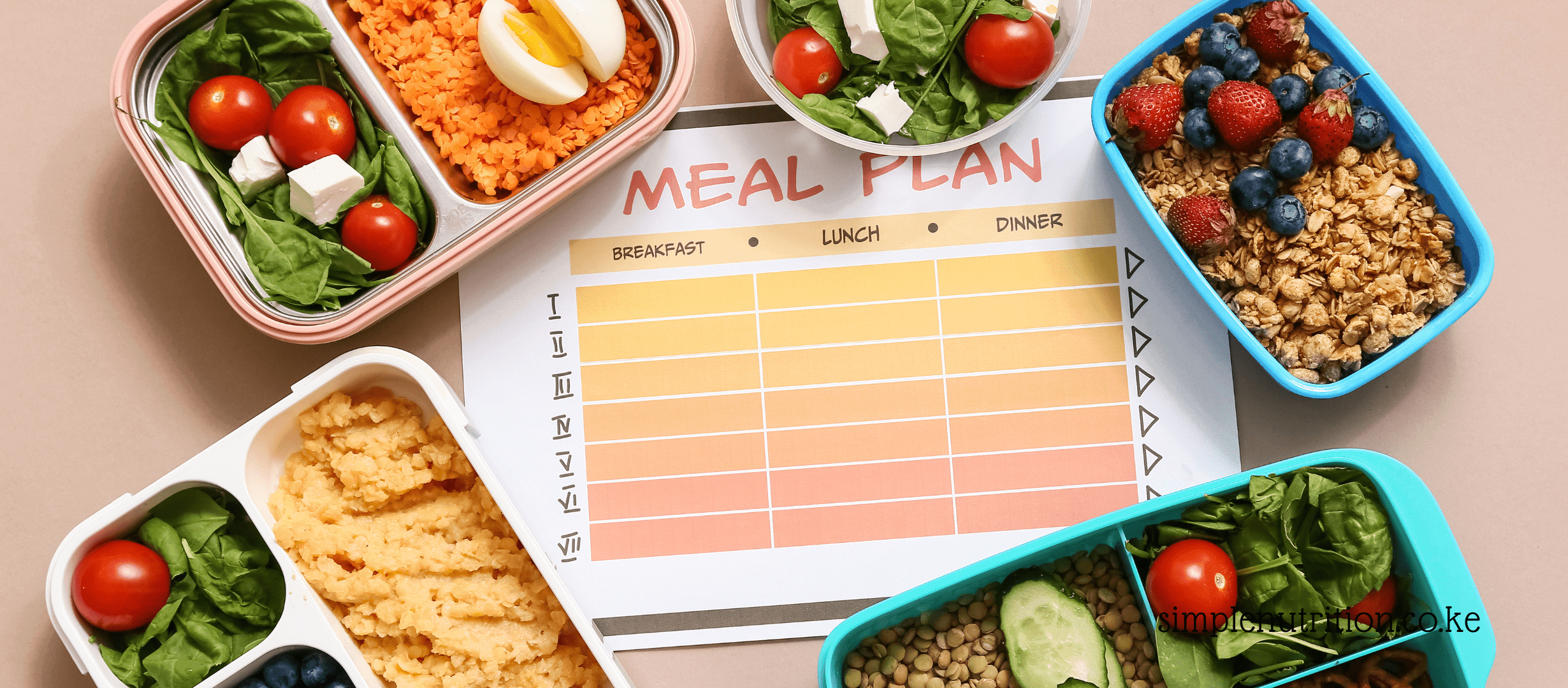
4. MEALTIME ABSENTEES
Skipping meals can indeed have negative effects on your overall health, including your weight. When you skip a meal, you might end up feeling excessively hungry later, which can lead to overeating or making unhealthy food choices. Additionally, skipping meals can cause your metabolism to slow down, as your body tries to conserve energy in response to the lack of food intake. This can make it harder to maintain a healthy weight in the long run.
Instead of skipping meals, focus on incorporating balanced, nutritious foods into your diet throughout the day. This can help keep your energy levels stable and prevent extreme hunger that might lead to overeating.
Planning ahead and having healthy snacks on hand can also help you avoid the temptation to skip meals when you’re busy or on the go. Overall, consistent and balanced eating habits are key to maintaining a healthy weight and promoting overall well-being.
Important to do is;
Have all three meals of the day, and additional healthy snacks whenever possible.
5. INTROVERTS
Introverts may indeed prefer solitude and may be more inclined to eat alone. While there’s nothing inherently wrong with enjoying solitary meals, it’s essential for introverts to ensure they’re maintaining healthy eating habits despite their tendencies toward solitude.
One potential challenge introvert may face is the lack of social interaction during meals, which can sometimes lead to mindless eating or unhealthy food choices. Without the presence of others to engage with, it’s easy to become distracted or disengaged from the eating experience.
To mitigate this, introverts can practice mindful eating techniques, such as paying attention to the taste, texture, and smell of their food, and focusing on their body’s hunger and fullness cues. Additionally, introverts can use mealtime as an opportunity for self-reflection or relaxation, taking the time to savor their food and enjoy the moment.
It’s also important for introverts to recognize when their desire for solitude may be isolating them from important social connections, such as family or friends. While it’s okay to enjoy alone time, maintaining a balance between solitude and social interaction can contribute to overall well-being, including healthy eating habits.
Join the rest of the family, friends or colleagues during
mealtimes, it will be very useful.
four unhealthy food extremes
Food as a Reward: Using food, such as promising ice cream for good performance on a test, can create an association between food and achievement. Encouraging non-food rewards or praise for achievements can help promote a healthier relationship with food.
Food as Guilt: Using guilt to coerce children into eating by comparing them to less fortunate children can create negative associations with food and eating. Guilt should not be used as a tool to manipulate eating behaviors, as it can lead to emotional distress and unhealthy attitudes toward food. Instead, fostering a positive and supportive environment around meals can encourage healthy eating habits without resorting to guilt-tripping.
Food as Punishment: Using food as a punishment, such as restricting playtime if a child doesn’t eat, can create a negative association between food and enjoyment. This approach may lead to power struggles around mealtime and can contribute to unhealthy eating habits. It’s important to separate food from punishment and instead focus on promoting positive mealtime experiences and encouraging healthy eating habits through education and positive reinforcement.
Food as Comfort: Turning to food for comfort during difficult or stressful situations is a common coping mechanism for many people. It’s natural to seek comfort in food occasionally, relying on food as the primary source of comfort can lead to unhealthy eating patterns and emotional dependence on food.
Encouraging alternative coping strategies, such as talking about feelings, engaging in enjoyable activities, or practicing relaxation techniques, can help develop healthier ways of managing emotions without relying solely on food. Overall, promoting a positive and balanced relationship with food involves being mindful of the ways in which food is used in various contexts and striving to foster healthy attitudes and behaviors around eating.
Discover more from Simple Nutrition
Subscribe to get the latest posts sent to your email.








Mealt time absenteeism is very common