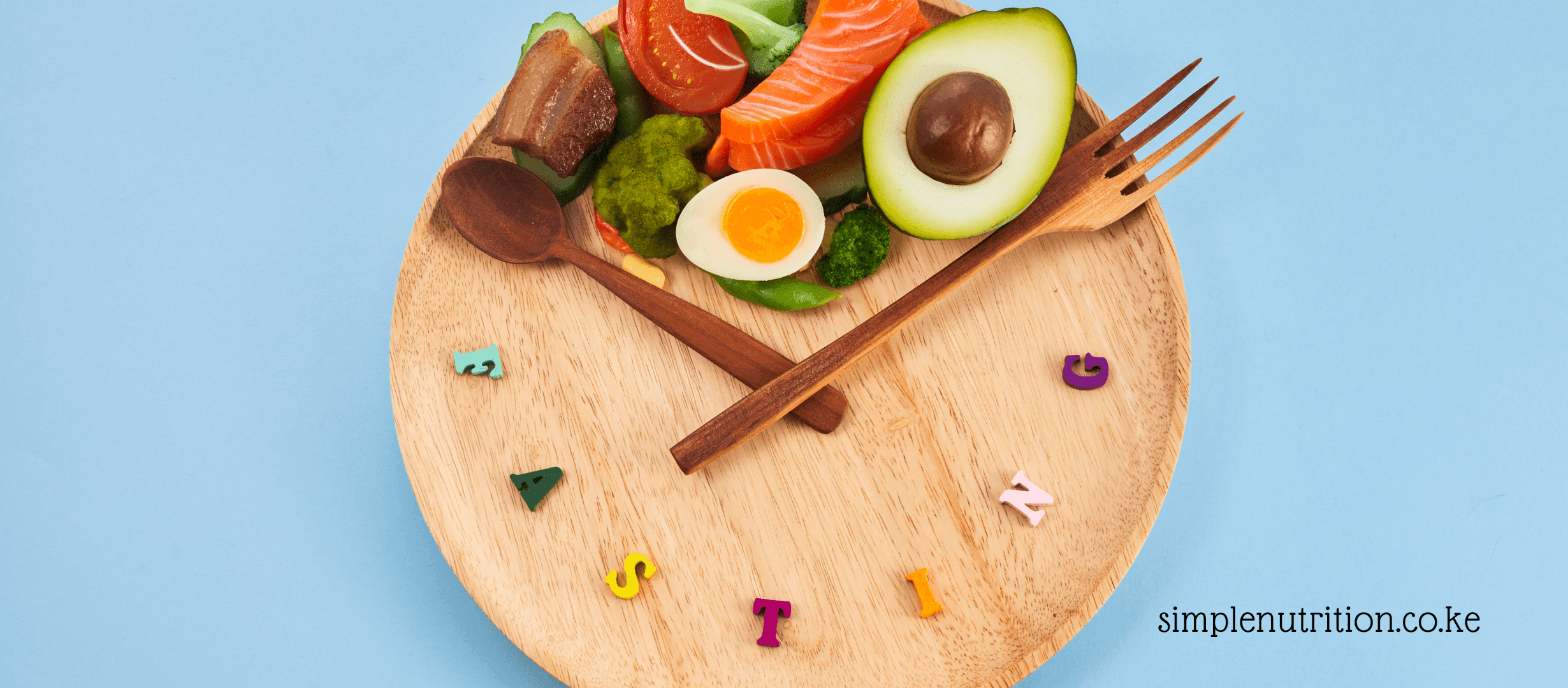

There comes a point when many people realize they don’t actually know how to eat anymore.
That might sound strange—we’ve been eating since birth. But somewhere along the way, eating stopped being natural. Instead of listening to our bodies, we started listening to diets, social media influencers, celebrities, fitness challenges, and well-meaning friends.

One person says carbohydrates are bad. Another says you should only eat twice a day. Someone else insists breakfast is essential, while another swears by fasting until noon.
Eventually, eating becomes confusing.
Instead of asking, “Am I hungry?” we ask, “Am I allowed to eat this?”
Instead of enjoying food, we fear it.
If you’ve ever found yourself Googling whether bananas are fattening while eating a salad you don’t even like, you’re not alone.
Relearning how to eat isn’t about finding another diet. It’s about returning to the eating skills you were born with—curiosity, balance, flexibility, and trust.
Why We Need to Relearn How to Eat
Think about a healthy toddler.
They cry when they’re hungry.
They stop eating when they’re full.
They don’t count calories.
They don’t worry that ugali is “too many carbs.”
They don’t eat vegetables because they’re trying to lose weight. They simply respond to their body’s needs.
Somewhere between childhood and adulthood, those natural instincts become buried under years of rules, guilt, restriction, and misinformation.
Many adults no longer trust themselves around food.
Instead, they depend on external rules to decide:
- When to eat
- What to eat
- How much to eat
- Which foods are “good”
- Which foods are “bad”
The result is often a lifetime of dieting without ever feeling truly at peace with food.
How Diet Culture Changed the Way We Eat
Diet culture teaches us that our worth depends on our weight.
It promises that happiness is always one diet away.
It encourages us to chase smaller bodies instead of healthier habits.
Over time, we begin to believe things like:
- Thin always means healthy.
- Hunger should be ignored.
- Feeling full means you’ve failed.
- Weight loss is the only measure of success.
- Foods must be earned through exercise.
- Cheat meals are necessary because diets are too restrictive.
These beliefs quietly shape our eating habits for years.
The problem isn’t just that they’re exhausting, they’re also difficult to sustain.
The Hidden Cost of Constant Dieting
Most people don’t just lose weight on diets.
They also lose trust in themselves.
You may recognize some of these experiences:
- You’ve started dozens of diets but rarely finish them.
- You feel guilty after eating foods you enjoy.
- You spend hours thinking about food.
- You avoid social events because of the food being served.
- You believe you’ve “failed” whenever you eat dessert.
- You constantly promise yourself you’ll “start again on Monday.”
This cycle often leads to frustration, emotional eating, and an unhealthy relationship with food.
Ironically, the more restrictive the diet, the more likely it is to trigger overeating later.
Step One: Stop Thinking of Food as Good or Bad
One of the biggest mindset shifts is letting go of food labels.
Food isn’t moral.
A doughnut isn’t “bad.”
A salad isn’t “good.”
They’re simply different foods with different nutritional values.
When we label foods as forbidden, they often become even more tempting.
Instead of asking:
“Can I eat this?”
Try asking:
“How will this food make me feel?”
Some meals give you lasting energy.
Others are eaten purely because they’re enjoyable.
Both have a place in a balanced way of eating.
Step Two: Learn the Difference Between Physical and Emotional Hunger
Not all hunger is the same.
Physical Hunger
Physical hunger develops gradually.
Signs include:
- Stomach growling
- Feeling low on energy
- Difficulty concentrating
- Headaches
- Feeling light-headed
- Irritability
Physical hunger is your body’s request for nourishment.
Emotional Hunger
Emotional hunger appears suddenly.
It often happens because of:
- Stress
- Loneliness
- Boredom
- Anxiety
- Celebration
- Habit
You may specifically crave comfort foods like chips, chocolate, cakes, or pizza.
There’s nothing wrong with emotional eating occasionally.
The goal isn’t to eliminate it.
The goal is to recognize it.
Sometimes food solves hunger.
Sometimes what you really need is rest, movement, connection, or simply a break.
Step Three: Respect Your Hunger
Many people ignore hunger because they’re trying to “be good.”
Unfortunately, ignoring hunger usually backfires.
Imagine skipping breakfast because you’re trying to eat less.
By lunchtime you’re starving.
Instead of eating slowly, you eat quickly.
By evening you’re so hungry that you finish an entire packet of biscuits while preparing dinner.
This isn’t a lack of discipline.
It’s biology.
When we ignore hunger for too long, our bodies naturally encourage us to eat more.
Eating regular meals helps prevent this cycle.
Step Four: Respect Your Fullness
Fullness isn’t the uncomfortable feeling after a huge buffet.
Healthy fullness is when you feel comfortably satisfied.
You no longer feel hungry, but you aren’t painfully full.
Many of us struggle with this because we learned to:
- Finish everything on the plate.
- Eat quickly.
- Eat while distracted by phones or television.
- Ignore fullness to avoid wasting food.
Try slowing down during meals.
Pause halfway through and ask yourself:
“If this plate disappeared right now, would I still need more food?”
You may discover you’re satisfied earlier than you expected.
Step Five: Build Balanced Meals
Rather than eliminating foods, focus on including foods that nourish you.
A balanced plate contains:
- Vegetables
- Protein
- Healthy carbohydrates
- Healthy fats
For example:
Breakfast
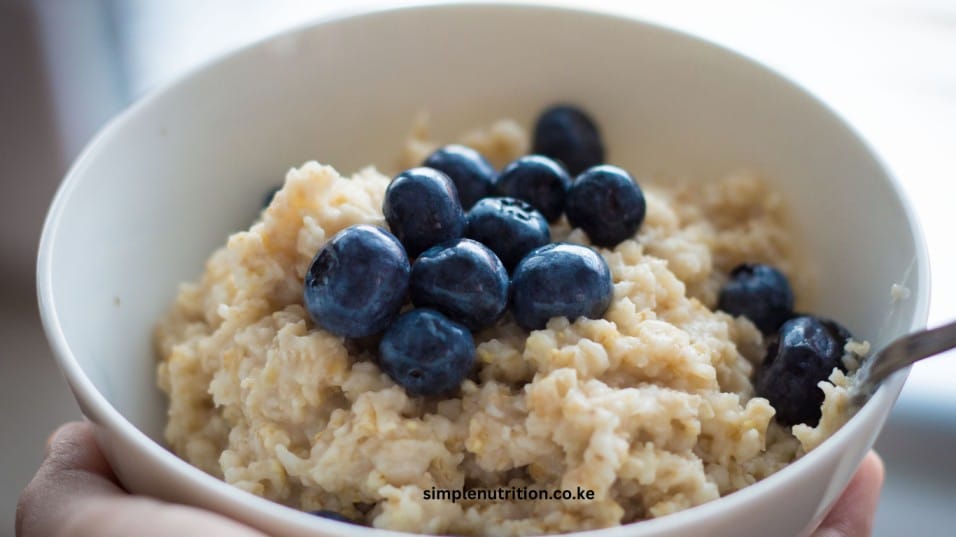
Oats cooked with milk, topped with sliced banana and groundnuts.
Lunch
Grilled chicken, ugali, sukuma wiki, and avocado.
Dinner
Fish, sweet potatoes, and steamed spinach.
These meals provide fibre, protein, healthy fats, and carbohydrates that help keep you energized and satisfied.
Step Six: Slow Down
Many of us eat faster than our bodies can register fullness.
Eating slowly allows your brain time to receive signals that you’ve had enough.
Simple ways to slow down include:
- Sitting at a table.
- Chewing thoroughly.
- Putting your spoon down between bites.
- Taking a sip of water occasionally.
- Avoiding distractions when possible.
Meals don’t need to be rushed.
The more present you are while eating, the easier it becomes to notice when you’re comfortably satisfied.
Step Seven: Stop Chasing Perfection
One meal will never make or break your health.
Healthy eating isn’t something you achieve in a single day.
It’s the result of hundreds of ordinary choices made over months and years.
Some days you’ll eat vegetables.
Some days you’ll enjoy cake at a birthday party.
Both belong in a balanced lifestyle.
Perfection isn’t sustainable.
Consistency is.
Aim to make nourishing choices most of the time while allowing yourself the flexibility to enjoy life’s special moments.
Step Eight: Learn to Enjoy Food Again
Food is more than fuel.
It’s culture.
It’s family.
It’s celebration.
It’s comfort.
Think about Kenyan celebrations.
Pilau at weddings.
Chapati during Christmas.
Nyama choma with friends.
Birthday cake shared with loved ones.
These foods carry memories and traditions.
You don’t have to eliminate them to live a healthy life.
Instead, enjoy them mindfully and return to your usual eating habits afterwards.
Healthy eating includes flexibility.
Step Nine: Focus on Habits Instead of Weight
Many people judge their progress only by the number on the scale.
But health is much bigger than weight.
Ask yourself:
- Am I sleeping better?
- Do I have more energy?
- Am I cooking more meals at home?
- Am I eating more vegetables?
- Am I feeling less guilty around food?
- Am I becoming more confident in my food choices?
These victories often matter far more than losing a kilogram.
When healthy habits become your focus, positive changes in your health are more likely to follow.
Step Ten: Be Patient With Yourself
Relearning how to eat takes time.
If you’ve spent years following strict diets, your eating habits won’t change overnight.
There will be days when old habits return.
That doesn’t mean you’ve failed.
Progress isn’t about getting everything right.
It’s about continuing to practice healthier habits one meal at a time.
Every meal is another opportunity to reconnect with your body.
Practical Daily Habits to Help You Relearn How to Eat
Changing your relationship with food doesn’t require a complete lifestyle overhaul.
Small, consistent habits are often the most powerful.
Start by:
- Eating regular meals instead of skipping them.
- Including protein at every meal.
- Filling half your plate with vegetables whenever possible.
- Drinking enough water throughout the day.
- Eating without distractions.
- Stopping when you’re comfortably full instead of overly stuffed.
- Allowing yourself to enjoy your favourite foods without guilt.
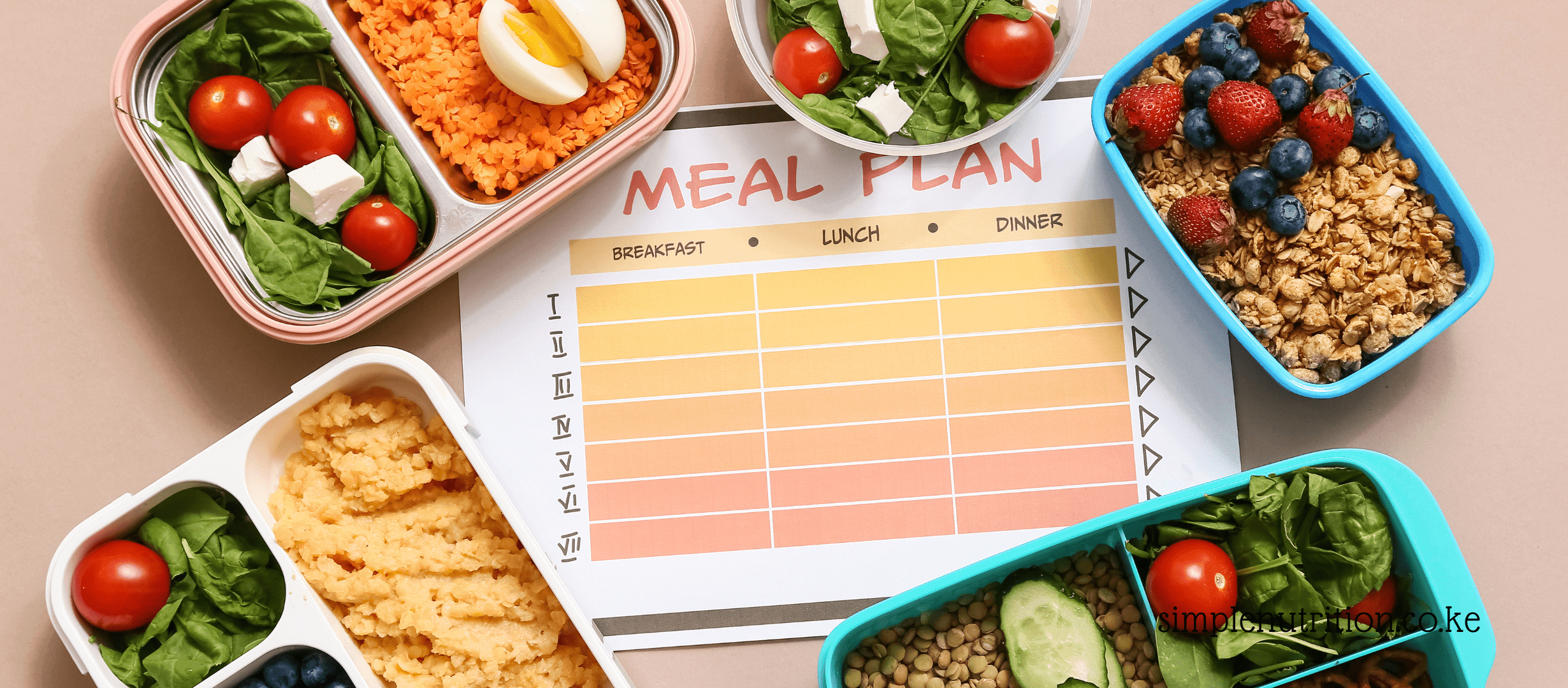
- Planning meals ahead to reduce impulsive food choices.
- Sleeping well, as poor sleep can increase hunger and cravings.
- Celebrating consistency instead of perfection.
Remember, healthy eating is built through repetition, not restriction.
Common Mistakes People Make When Relearning How to Eat
As you rebuild your relationship with food, it’s normal to face challenges.
Here are some common mistakes to watch out for:
Expecting Instant Results
Healthy habits take time to develop. Be patient with yourself and focus on progress rather than perfection.
Replacing One Diet with Another
Many people leave one restrictive diet only to follow another set of rigid food rules. Instead of chasing the latest trend, focus on building habits that you can maintain for years.
Ignoring Hunger Signals
Waiting until you’re extremely hungry often leads to overeating. Learning to respond to early hunger cues makes balanced eating much easier.
Feeling Guilty After Eating
Guilt doesn’t improve your nutrition. Rather than criticizing yourself, simply move on and make your next meal a balanced one.
Comparing Yourself to Others
Your body, lifestyle, activity level, and health needs are unique. What works for someone else may not work for you.
Frequently Asked Questions
Can I still lose weight while relearning how to eat?
Yes. Building balanced meals, recognizing hunger and fullness, and reducing restrictive eating patterns can support sustainable weight management. Weight loss becomes a by-product of healthy habits rather than the sole focus.
Do I have to stop eating my favourite foods?
No. In fact, allowing yourself to enjoy foods you love in moderation can reduce feelings of deprivation and make healthy eating more sustainable.
What if I overeat?
Everyone overeats occasionally. One meal doesn’t define your health. Avoid skipping your next meal to “make up for it.” Simply return to your normal eating routine.
Is this approach suitable for families?
Absolutely. Relearning how to eat encourages balanced meals, variety, and a positive relationship with food, making it suitable for adults and children alike.
Your Seven-Day Relearning Challenge
Over the next week, choose one habit to practice each day.
Day 1: Eat one meal without distractions.
Day 2: Include vegetables in both lunch and dinner.
Day 3: Pause halfway through your meal and assess your hunger.
Day 4: Drink water before reaching for a snack and ask yourself if you’re physically hungry.
Day 5: Add a source of protein to every meal.
Day 6: Enjoy one favourite food without guilt and eat it mindfully.
Day 7: Reflect on what you’ve learned about your hunger, fullness, and eating habits.
These small actions may seem simple, but over time they help rebuild trust in your body and make healthy eating feel natural again.
Remember
Relearning how to eat is not about finding the perfect diet or following another set of strict rules. It’s about reconnecting with your body’s natural wisdom, letting go of guilt, and building habits that support your health for years to come.
When you stop seeing food as the enemy and start seeing it as nourishment, enjoyment, and connection, healthy eating becomes less about control and more about care.
You don’t need to earn your meals. You don’t need to fear carbohydrates or avoid celebrations because of the food. What you need is a way of eating that fits your life—one that is balanced, flexible, enjoyable, and sustainable.
The journey to a healthier relationship with food begins with your very next meal. Not by asking, “What’s the perfect diet?” but by asking, “What does my body need today?”
Discover more from Simple Nutrition
Subscribe to get the latest posts sent to your email.



This is where to start ..”Relearning how to eat”