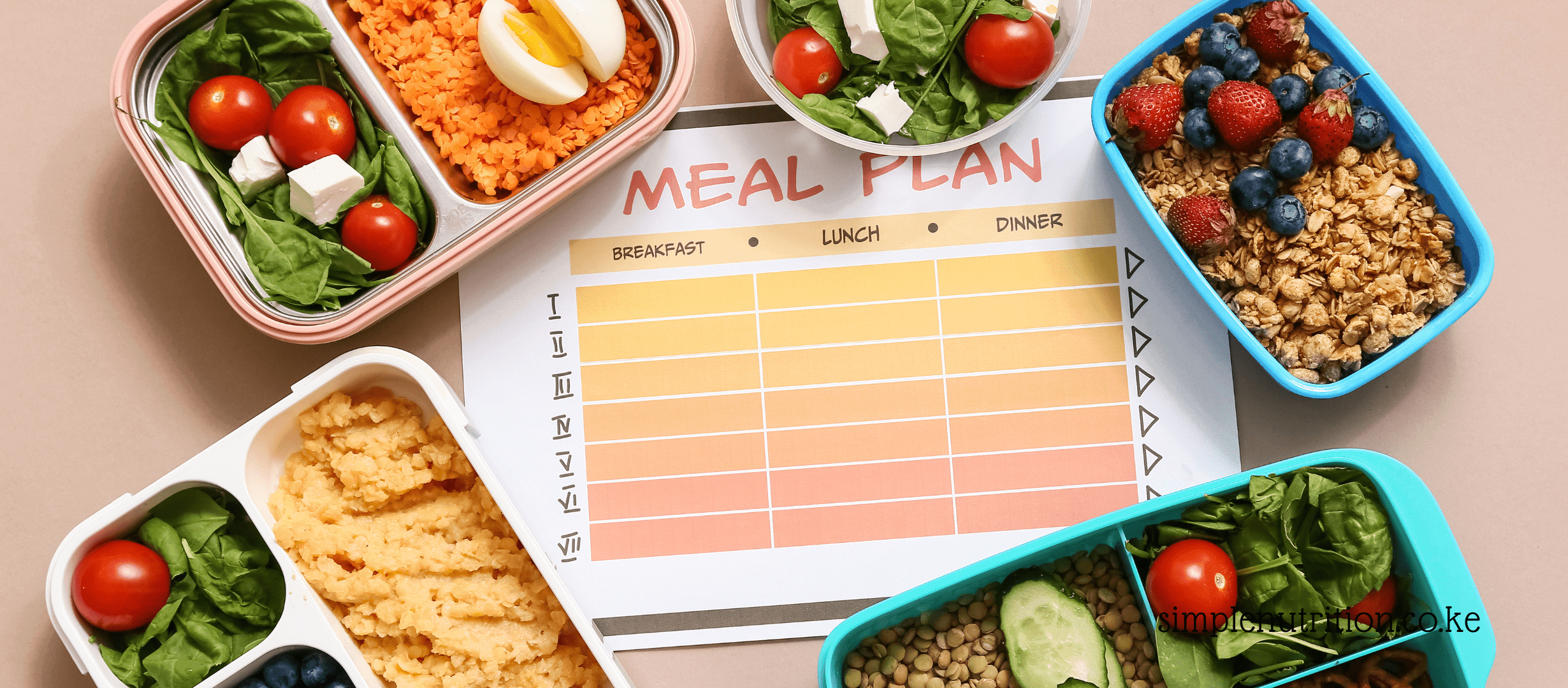
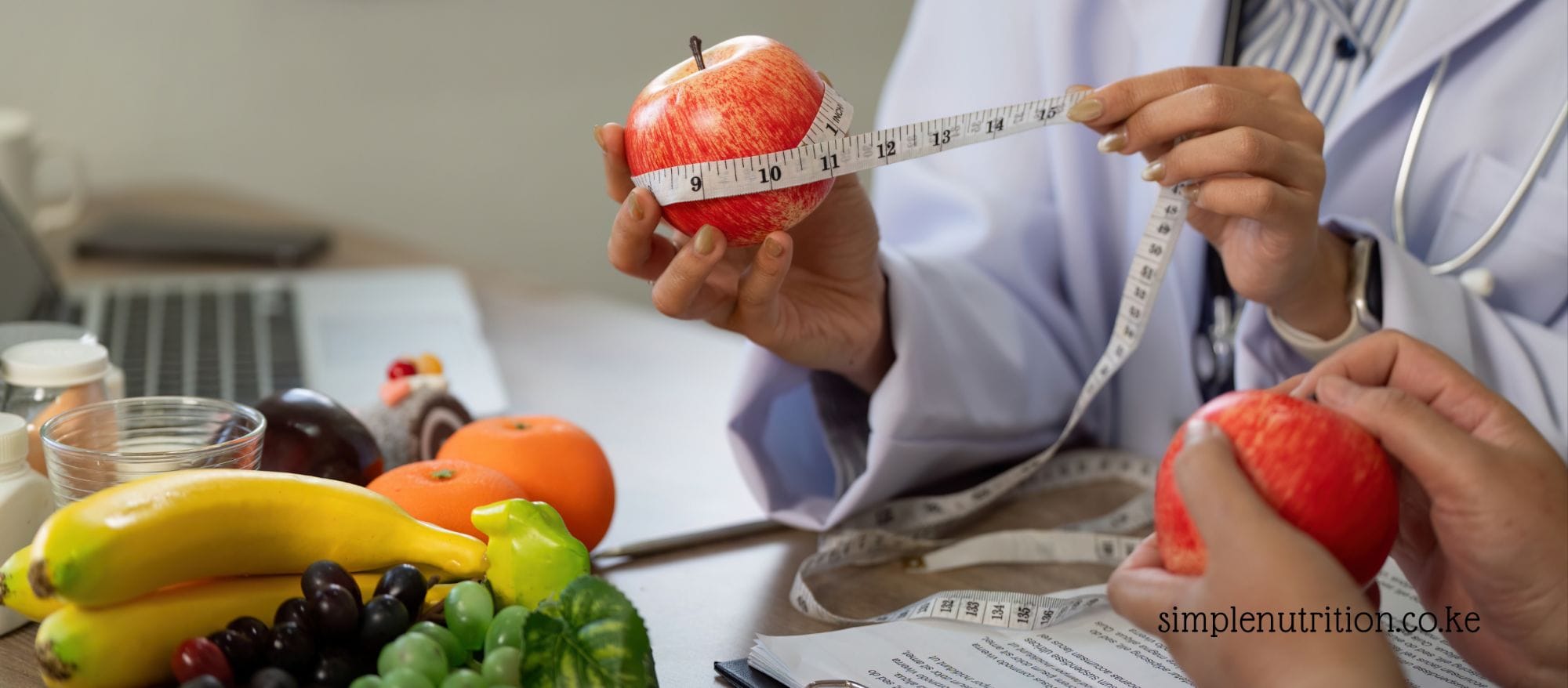
Weight loss in 2026 is less about chasing fads and more about building habits that work with your body. The goal is not just lower numbers on a scale, but better energy, improved metabolic health, and long-term sustainability.
If you struggled with diets that failed in 2025, this year is about smarter choices, consistency, and real-life strategies that fit your lifestyle.
Calorie Restriction Is Still Effective When Done Smartly
Calorie restriction often gets a bad reputation, but it is still one of the most reliable tools for weight loss when done correctly. The key is to create a modest calorie deficit without causing fatigue, nutrient deficiencies, or constant hunger.
For example, if your daily maintenance calories are 2000, aim for a 150–300 calorie deficit per day instead of drastic cuts.
Eat protein-rich breakfasts such as scrambled eggs with avocado and spinach to stay full longer. Include fibrous vegetables like broccoli or carrots to bulk meals without adding too many calories. This approach encourages steady, maintainable fat loss rather than crash dieting that backfires.
Protein Distribution: Fuel Fat Loss and Preserve Muscle
Protein remains central to weight loss in 2026 because it reduces cravings, supports metabolism, and preserves muscle during fat loss. Spreading protein across all meals helps stabilize blood sugar and keeps you satisfied longer.
Practical examples include Greek yogurt with chia seeds and berries for breakfast, a grilled chicken salad with mixed vegetables and quinoa for lunch, baked fish with roasted vegetables and a small portion of sweet potato for dinner, and a handful of almonds or a boiled egg for a snack.
Calorie Quality Matters More Than Quantity Alone
While reducing calories is important, what you eat matters just as much as how much you eat. Processed carbs, sugary drinks, and fried foods increase hunger and reduce metabolic efficiency. Swapping sugary cereals for oatmeal topped with nuts and fruit, replacing soft drinks with sparkling water or herbal tea, and using whole grains instead of refined rice or bread can reduce calories naturally while supporting energy and metabolic health.
Meal Timing: Choose What Fits Your Lifestyle
Rigid intermittent fasting is no longer required for everyone. Focus on meal timing that supports energy, satiety, and blood sugar control.
Eat breakfast within one to two hours of waking to avoid late-morning cravings, space meals three to four hours apart to reduce snacking, and include a balanced snack like carrot sticks with hummus if dinner is more than five hours after lunch. Personalizing your meal timing improves adherence and fat loss success.
Strength-Based Movement Supports Fat Loss
Exercise works best when paired with proper nutrition. Strength training helps preserve muscle, improve metabolism, and support long-term weight loss. Two to three sessions per week of bodyweight exercises such as squats, push-ups, and planks, resistance band or dumbbell circuits at home, and daily movement like walking for 30 minutes after meals all support calorie burning and overall health. Exercise should complement nutrition rather than compensate for overeating.
Emotional Eating: Plan Ahead to Avoid Cravings
Many weight loss challenges come from stress, boredom, or emotional triggers. Planning meals and snacks reduces impulsive eating. Pre-portion snacks into small containers like nuts or fruit, keep a food journal to track triggers, and use non-food coping strategies such as short walks, stretching, or journaling. Addressing emotional eating proactively makes weight loss more manageable.
Women’s Weight Loss: Focus on Hormone-Friendly Nutrition
Women often face unique weight loss challenges due to hormones, menstrual cycles, and metabolism. Extreme restriction or excessive cardio can stall results. Including iron-rich foods like spinach, lentils, or red meat in moderation, balancing meals with protein, healthy fats, and complex carbs, and prioritizing sleep and stress management can improve fat loss while maintaining energy.
Consistency Over Perfection
The most effective weight loss in 2026 comes from repeatable habits rather than one perfect day. Eating three balanced meals a day, keeping water intake consistent, moving daily even with a 15–20 minute walk, and planning meals weekly to avoid last-minute unhealthy choices allows the body to adapt and sustain fat loss.
Build a 2026 Weight Loss Mindset
This year, weight loss is a health-driven, lifestyle-focused journey. Instead of chasing fads, focus on supporting metabolism with nutrient-dense foods, maintaining protein and fibre for satiety, adopting manageable meal timing and portion control, integrating strength and movement into your routine, and managing stress and sleep to reduce emotional eating. Combining science-based nutrition with practical habits makes 2026 a year of achievable and sustainable fat loss.
Ready to Start Your 2026 Weight Loss Journey?
If you want a personalized plan that fits your lifestyle, helps manage cravings, supports metabolism, and produces sustainable fat loss, now is the perfect time to act. Book a nutrition consultation today to get started.
Discover more from Simple Nutrition
Subscribe to get the latest posts sent to your email.