
Polycystic ovary syndrome (PCOS) is a common hormonal disorder that affects people with ovaries, typically during their reproductive years. One of the key features of PCOS is an imbalance in reproductive hormones, leading to increased levels of androgens (male hormones) in the body.
This hormonal imbalance can disrupt the normal functioning of the ovaries and lead to a variety of symptoms, including irregular menstrual cycles, cysts on the ovaries, difficulty getting pregnant, and symptoms related to increased androgens such as acne and excess facial or body hair. It’s a complex condition that can vary greatly from person to person in terms of symptoms and severity.
PCOS can present with a range of symptoms. The severity and combination of symptoms can vary widely among individuals. Some may experience significant symptoms like irregular periods, infertility, or noticeable changes in hair growth and acne, while others may have subtle or even no outward signs of the condition.
It’s important to note that while PCOS is associated with certain symptoms, not all women with PCOS will experience all of them. Additionally, some symptoms, like weight gain and infertility, can also be influenced by factors other than PCOS.
” PCOs is an unrecognised cardiovascular risk”
The causes of PCOs may be unknown but it is related to high levels of abdominal hormones and elevated insulin.
The biggest challenge for women with PCOs is maintaining a healthy diet
A healthy diet has several benefits such as;
- Alleviating the symptoms .
- Weight management.
- Improving quality of life in general.
Diet | PCOs | Insulin resistance
Insulin resistance is a key feature of PCOS and increases the risk of type 2 diabetes. When cells respond poorly to insulin, blood insulin levels rise, contributing to hormonal imbalances and worsening PCOS symptoms.
While not everyone with PCOS will develop diabetes, it’s important to be aware of the increased risk and take proactive steps to manage insulin resistance.
Lifestyle measures such as regular physical activity, healthy weight maintenance, a balanced low–glycaemic index diet, adequate sleep, and prescribed medications can improve insulin sensitivity and reduce diabetes risk.
Regular monitoring of blood sugar levels and working closely with a healthcare provider are crucial for individuals with PCOS to manage their overall health and reduce the risk of complications like type 2 diabetes. Early intervention and proactive management can significantly improve long-term health outcomes for those affected by PCOS.
Weight gain and PCOS
Obesity is common in PCOS and can worsen symptoms while increasing the risk of cardiovascular disease, type 2 diabetes, and metabolic syndrome. A healthy lifestyle, including a balanced diet and regular physical activity, is essential for effective management.
A PCOS-friendly diet emphasizes whole, nutrient-dense foods and limits processed, high–glycaemic index foods. It includes fruits, vegetables, lean proteins, and whole grains while reducing refined sugars and carbohydrates to support weight management and improve insulin sensitivity.
In addition to dietary changes, regular exercise is essential for managing weight, improving insulin sensitivity, and reducing the risk of cardiovascular diseases. Incorporating both aerobic exercise and strength training into one’s routine can have a positive impact on overall health and well-being for individuals with PCOS.
Why is Diet important?
Treatment for PCOS typically involves a combination of lifestyle changes, medications, and sometimes hormonal therapies to manage symptoms and reduce the risk of complications.
Lifestyle modifications, including adopting a nutritious diet and maintaining a healthy weight, are often considered first-line treatments for PCOS. A balanced diet that focuses on whole, nutrient-dense foods can help improve insulin sensitivity, regulate menstrual cycles, and manage weight. Additionally, regular physical activity is important for overall health and can help with weight management, hormone regulation, and reducing cardiovascular risk factors.
Tips for a Nutritious diet.
Focusing on nutrient-dense foods while being mindful of caloric intake and portion sizes is crucial for managing PCOS and achieving a healthy weight. Nutrient-dense foods provide essential vitamins, minerals, and other nutrients without excessive calories, helping to support overall health and well-being while also aiding in weight management.
Here are some key principles for creating a nutrient-dense, calorie-conscious, and portion-controlled diet:
- Emphasize whole, unprocessed foods: Choose foods that are minimally processed and rich in nutrients, such as fruits, vegetables, whole grains, lean proteins, and healthy fats. These foods provide essential nutrients and fiber without added sugars, unhealthy fats, or excessive calories.
- Watch portion sizes: Pay attention to portion sizes to avoid overeating, especially calorie-dense foods like nuts, seeds, and oils. Use measuring cups, food scales, or visual cues to help you gauge appropriate portion sizes.
- Include lean proteins: Opt for lean sources of protein, such as poultry, fish, beans, lentils, tofu, and low-fat dairy products. Protein-rich foods help you feel full and satisfied, which can aid in weight management and stabilize blood sugar levels.
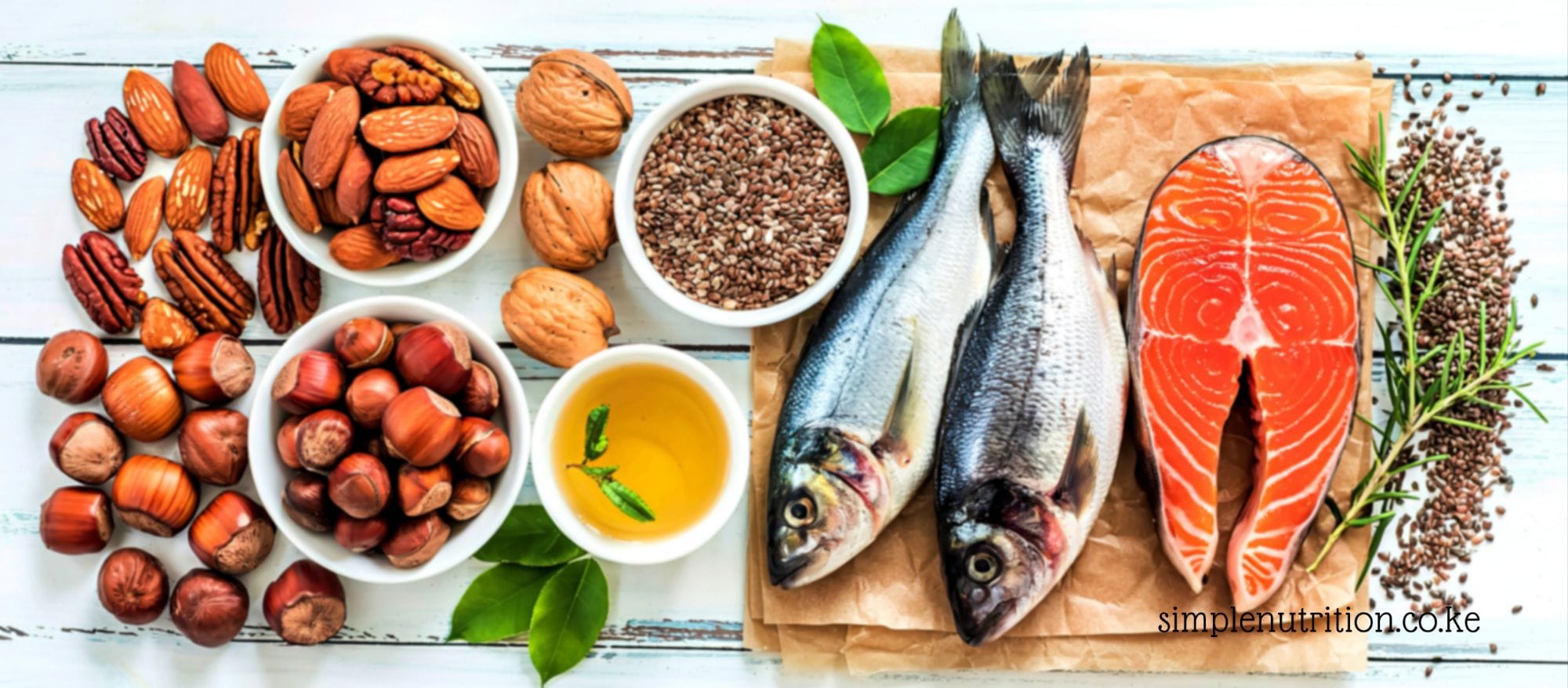
- Choose healthy fats: Include sources of healthy fats in your diet, such as avocados, nuts, seeds, and olive oil. These fats provide essential fatty acids and help promote satiety, but they should be consumed in moderation due to their high calorie content.
- Limit added sugars and refined carbohydrates: Minimize your intake of sugary foods and beverages, as well as refined carbohydrates like white bread, white rice, and sugary snacks. These foods can cause spikes in blood sugar levels and contribute to weight gain.
- Stay hydrated: Drink plenty of water throughout the day to stay hydrated and support overall health. Limit sugary drinks and opt for water, herbal teas, or sparkling water instead.
- Be mindful of snacks: Choose nutrient-dense snacks that provide sustained energy and satiety, such as fresh fruit, raw vegetables with hummus, Greek yogurt, or a small handful of nuts.
Fertility and PCOs
Foods containing lots of antioxidants like in most green vegetables and legumes can help with reducing inflammation and decrease insulin resistance. Studies show that this helps improve fertility.
Remember to consult a professional for an individualized care plan that will take into account, your hormone levels, preferences, lifestyle and other medical conditions.
What foods should you Avoid?
In most cases you want to reduce the intake of foods that cause inflammation;
- Processed meats and meat products like sausages and bacon.
- Foods full of saturated fats like most deep-fried foods.
- Red meats, go with moderation as red meat has been linked with causing inflammation.
- Over-processed cereals.
- Sugary, fatty and salty snacks.
- Sugary and alcoholic beverages.
These foods are among the many that will not only increase inflammation but also cause you additional unnecessary weight gain.
A low carbohydrate diet for PCOs management
For individuals with PCOS, especially those with insulin resistance, a low-carbohydrate diet can help. Reducing simple sugars and refined carbs lowers the demand for insulin, improving insulin sensitivity and reducing the risk of complications like type 2 diabetes.
A low-carbohydrate diet can also be effective for weight management in individuals with PCOS. By limiting the intake of carbohydrates, particularly those that are quickly absorbed and metabolized, such as sugary snacks and refined grains, the body is less likely to store excess glucose as fat. This can help with weight loss or weight maintenance goals, which are often important considerations for individuals with PCOS.
The effectiveness of a low-carbohydrate diet can vary, and it may not suit everyone. Some individuals may see improvements in PCOS symptoms, while others may respond better to a different dietary approach.
Take home Tips
- Ensure balance of nutrients.
- Take complex carbohydrates, like whole wheat brown bread.
- Go for lean proteins, they help in weight management.
- Healthy fats from avocado, olive oil can be so much better than the saturated fats.
- Remember to control your portion sizes.
Great Read Can i leave my thoughts ?! –
Looking To Tone Up? Lose Extra lb’s Just By Changing What You Eat?
Download Over 50 Keto Recipes , Unleash The Flavours – http://ketodietrecipes.co.uk/