
When people think about healthy skin, they often focus on expensive skincare products, serums, or beauty treatments.
While taking care of your skin from the outside is important, healthy skin also starts from within.
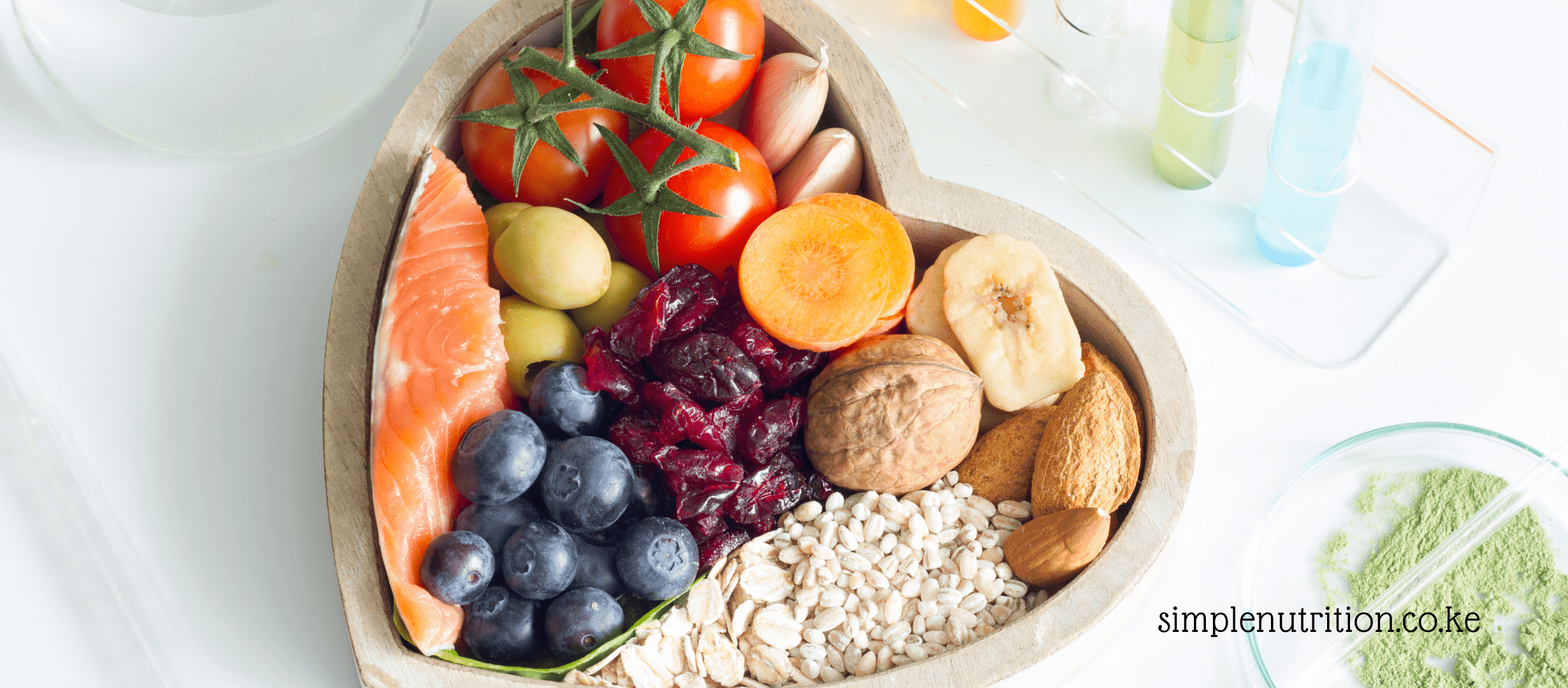
The food you eat provides the nutrients your skin needs to repair itself, produce collagen, protect against damage, and maintain its natural glow.
There’s no single “miracle food” that will give you perfect skin overnight. Instead, it’s your overall eating pattern that makes the biggest difference.
Here’s how to nourish your skin through your diet.
Why Nutrition Matters for Your Skin
Your skin is your body’s largest organ. It constantly renews itself and requires a steady supply of nutrients to stay healthy.
A balanced diet can help support:
- Skin hydration
- Collagen production
- Wound healing
- Protection against environmental damage
- A healthy skin barrier
Poor nutrition, on the other hand, may contribute to dry skin, delayed healing, and other skin concerns.
1. Eat Plenty of Colourful Fruits and Vegetables
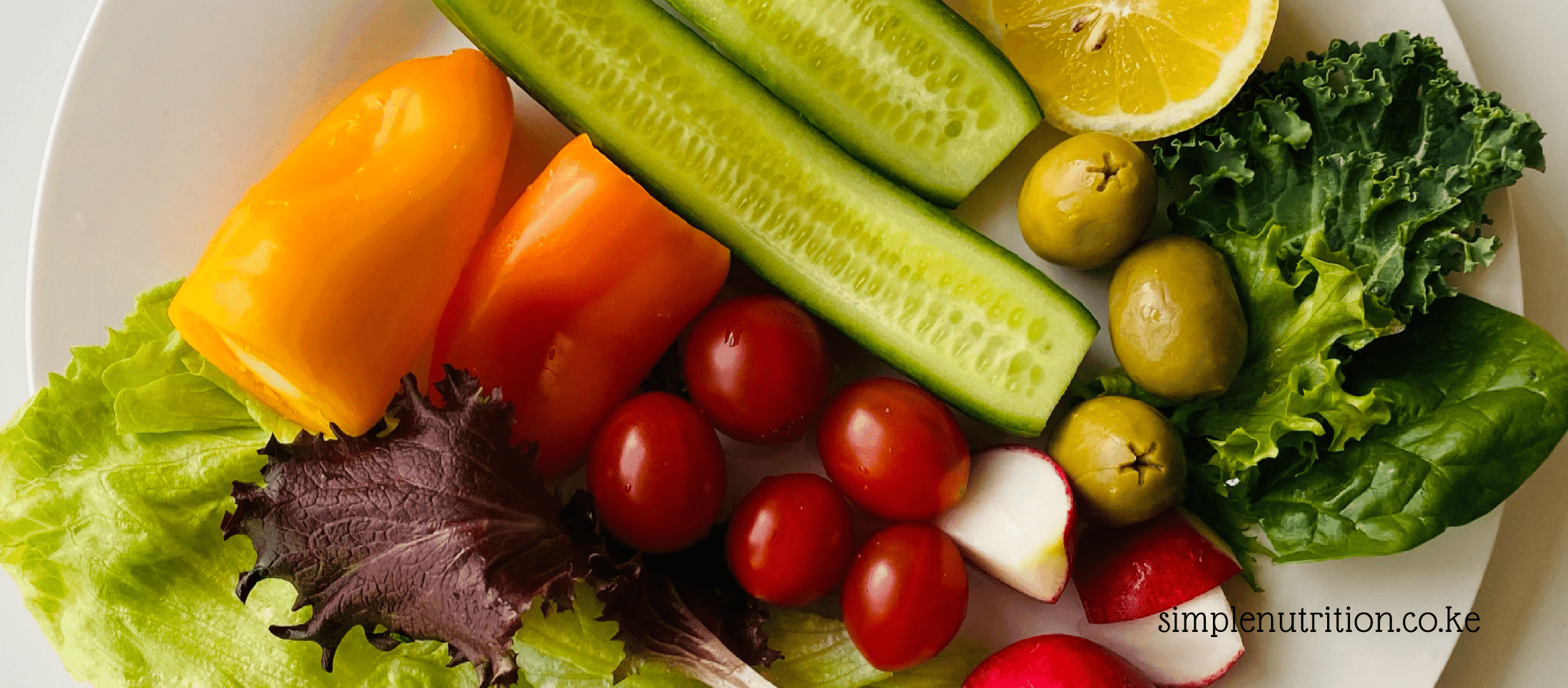
Brightly coloured fruits and vegetables are rich in antioxidants that help protect your skin from damage caused by pollution, sunlight, and normal ageing.
Aim to eat a variety of colours every day.
Great Kenyan options include:
- Mangoes
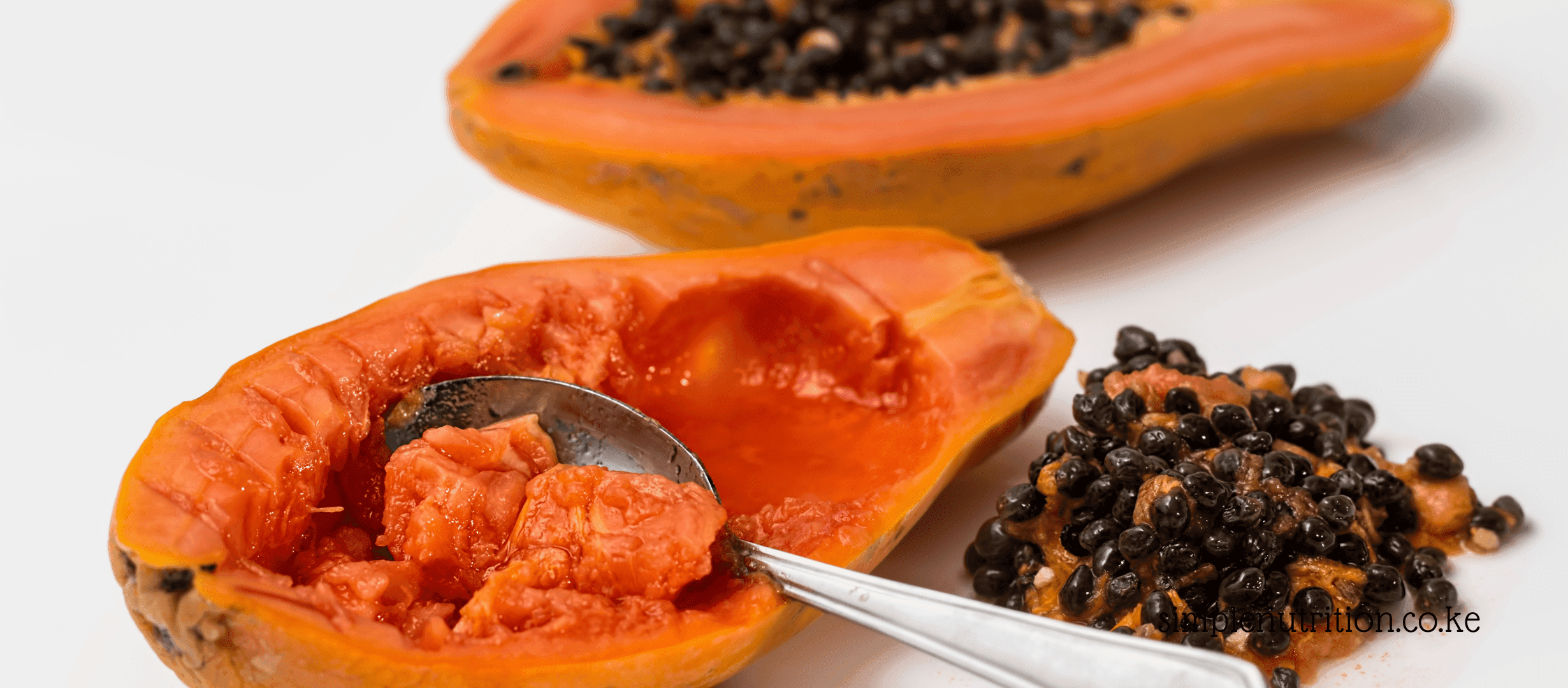
- Pawpaw
- Oranges
- Watermelon
- Tomatoes
- Carrots
- Spinach
- Sukuma wiki
- Managu
- Terere
- Bell peppers
The more colourful your plate, the wider the range of nutrients you’re likely to get.
2. Include Vitamin C-Rich Foods
Vitamin C is essential for making collagen, the protein that helps keep skin firm and supports wound healing.
Good sources include:
- Oranges
- Lemons
- Guavas
- Mangoes
- Tomatoes
- Bell peppers
Try to include a vitamin C-rich food every day.
3. Choose Healthy Fats
Healthy fats help maintain the skin’s protective barrier and may reduce dryness.
Include foods such as:
- Avocados
- Groundnuts
- Sunflower seeds
- Pumpkin seeds
- Fatty fish like tilapia and sardines (omena also provides beneficial nutrients)
These foods also provide vitamin E, another nutrient that supports skin health.
4. Eat Enough Protein
Your skin needs protein to grow, repair, and maintain its structure.
Good protein sources include:
- Eggs
- Chicken
- Fish
- Beans
- Green grams (ndengu)
- Lentils
- Plain yoghurt
- Milk
Try to include protein at each meal.
5. Stay Hydrated
Your skin depends on adequate hydration to function well.
While drinking more water won’t magically erase wrinkles, dehydration can make your skin feel dry and less elastic.
Drink water regularly throughout the day, especially in hot weather or after exercise.
You can also stay hydrated by eating foods with a high water content, such as watermelon, cucumber, oranges, and tomatoes.
6. Don’t Fear Healthy Carbohydrates
Whole grains and fibre-rich carbohydrates provide steady energy and important nutrients.
Choose foods like:
- Oats
- Brown rice
- Sweet potatoes
- Arrowroots (nduma)
- Wholemeal bread
- Beans
These foods are generally more nutritious than highly refined carbohydrates.
7. Limit Added Sugars
Eating a lot of sugary foods and drinks may contribute to inflammation and, over time, can affect collagen through a process called glycation.
This doesn’t mean you can never enjoy cake or sweets, but try to keep sugary foods as occasional treats rather than everyday habits.
8. Include Zinc-Rich Foods
Zinc supports wound healing and healthy skin.
Good sources include:
- Beans
- Groundnuts
- Pumpkin seeds
- Beef
- Eggs
- Lentils
9. Support Your Gut Health
Research suggests that gut health and skin health may be connected.
To support a healthy gut, include:
- Plain yoghurt with live cultures
- Fibre-rich fruits and vegetables
- Beans and lentils
- Whole grains
A healthy gut supports overall wellbeing and may benefit the skin.
Foods That Support Healthy Skin
| Nutrient | Benefits for Skin | Kenyan Food Sources |
|---|---|---|
| Vitamin C | Supports collagen production | Guavas, oranges, mangoes, tomatoes |
| Vitamin A | Supports skin repair | Carrots, spinach, sukuma wiki, mangoes |
| Protein | Helps build and repair skin | Eggs, fish, beans, chicken, yoghurt |
| Healthy fats | Supports the skin barrier | Avocados, groundnuts, seeds |
| Zinc | Supports healing | Beans, pumpkin seeds, eggs, beef |
| Water | Helps maintain hydration | Water, watermelon, cucumber |
Foods That May Affect Your Skin
Everyone’s skin is different.
Some people notice that certain foods seem to worsen their skin concerns, while others do not.
If you think a particular food affects your skin, keep a food and symptom diary and discuss it with a healthcare provider or registered nutritionist before making major dietary changes.
Avoid eliminating entire food groups without good reason.
Lifestyle Habits That Support Healthy Skin
Nutrition is only one piece of the puzzle.
Healthy skin also benefits from:
- Getting 7–9 hours of sleep.
- Wearing sunscreen daily.
- Avoiding smoking.
- Managing stress.
- Staying physically active.
- Following a gentle skincare routine suitable for your skin type.
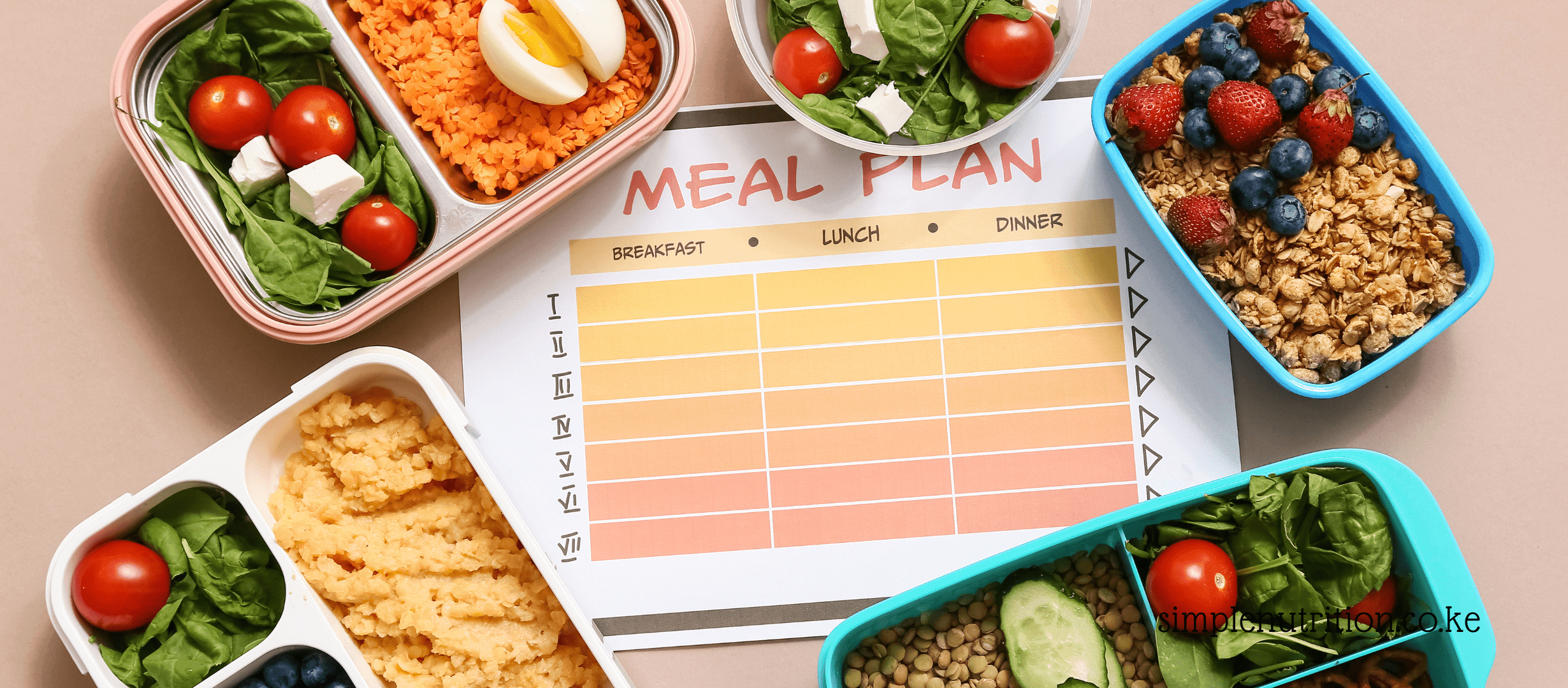
A Sample Skin-Friendly Day of Eating
| Meal | Example |
|---|---|
| Breakfast | Oat porridge with milk, sliced mango, and groundnuts |
| Mid-morning snack | Orange and a handful of roasted groundnuts |
| Lunch | Grilled fish, brown rice, sukuma wiki, and tomatoes |
| Afternoon snack | Plain yoghurt with pawpaw |
| Dinner | Beans, sweet potatoes, spinach, and avocado |
This pattern provides protein, healthy fats, fibre, vitamins, and antioxidants that support overall health—including your skin.
Remember
Healthy skin isn’t created by one “superfood” or one expensive skincare product. It’s the result of consistently nourishing your body with a balanced diet, staying hydrated, getting enough sleep, and protecting your skin from environmental damage.
By filling your plate with colourful fruits and vegetables, lean proteins, whole grains, healthy fats, and plenty of water, you’re giving your skin the nutrients it needs to stay healthy from the inside out.
Remember, glowing skin is often a reflection of overall health. Focus on building sustainable eating habits, and your skin—and the rest of your body—will thank you.
Discover more from Simple Nutrition
Subscribe to get the latest posts sent to your email.