
Dehydration is a condition that limits normal body functions. This happens when you’re either losing too many fluids or losing too much water compared to the one you’re taking in. In other words, there is a deficit.
What causes dehydration?
- Inadequate fluid intake
- Excessive sweating
- Diarrhea and vomiting: can cause rapid fluid loss, especially if fluids are not replaced promptly.
- Fever: A high fever can increase fluid loss through sweating and evaporation.
- Certain medical conditions: Some medical conditions, such as diabetes, kidney disease.
- Medications: such as diuretics or medications that cause increased urination or sweating.
- Alcohol consumption: Alcohol has diuretic properties, meaning it can increase urine production leading to dehydration.
signs/symptoms of dehydration ;
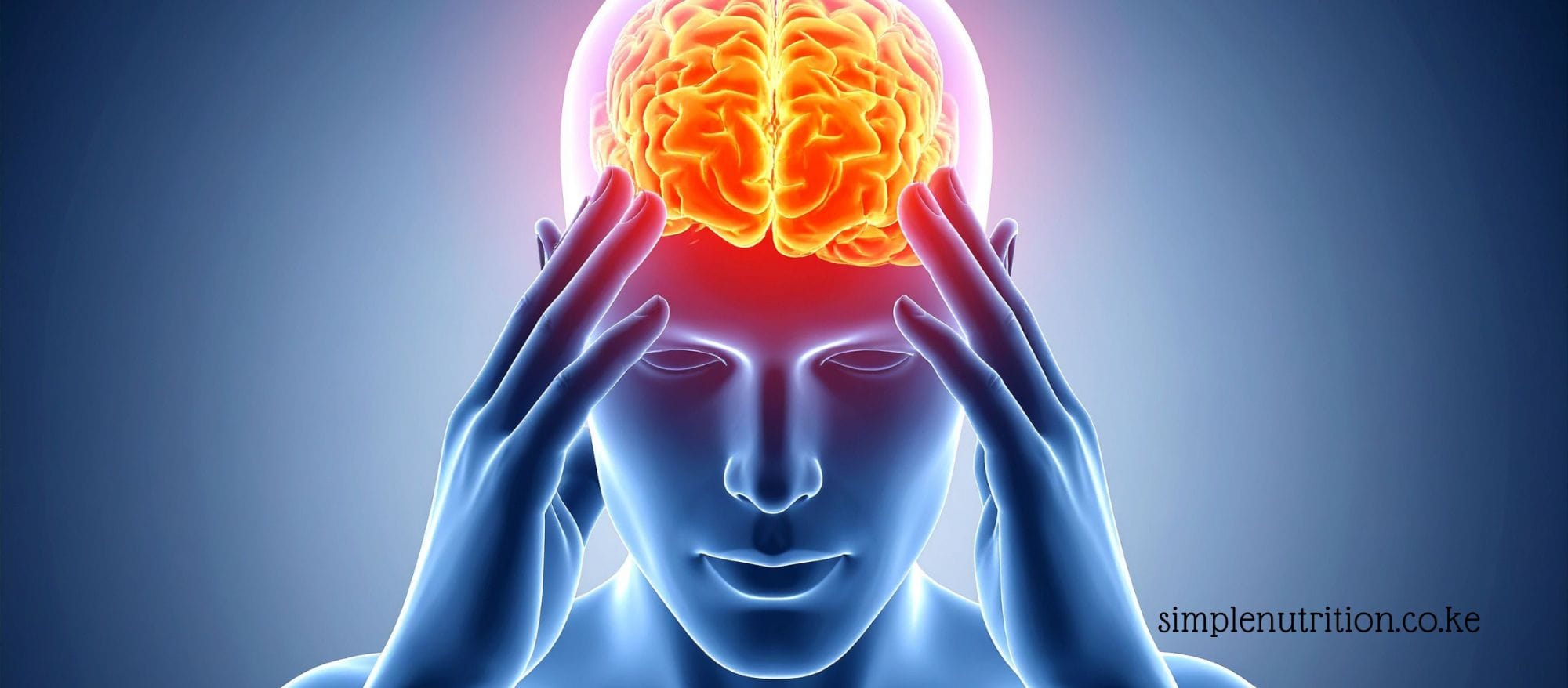
- Headache: particularly after physical activity in hot weather.
- Dry mouth: When the body lacks sufficient fluids, saliva production decreases, leading to a dry sensation in the mouth.
- Extreme thirst: The body signals the need for more fluids to replenish lost water and maintain proper hydration levels.
- Decreased urination or dark-colored urine: When you are dehydrated, the kidneys conserve water, resulting in less frequent urination and concentrated, darker urine.
- Irritability in children: Young children, especially infants, may become irritable when dehydrated. Due to discomfort from dryness in the mouth and throat, as well as general discomfort.
What causes dehydration;
- Uncontrolled Diabetes: When blood glucose levels remain uncontrolled, the kidneys work harder to filter out glucose, leading to frequent urination and subsequent dehydration.
- Age:Children’s high activity levels and older adults’ reduced fluid reserves and kidney function increase their susceptibility to dehydration.
- Diseases: Illnesses such as malaria, which involve symptoms like vomiting and diarrhea, can lead to significant fluid and electrolyte loss.
- Weather: Hot weather can cause excessive sweating, leading to fluid loss and dehydration, especially if adequate hydration practices are not followed.
- Exercising: Intense exercise without sufficient fluid intake can quickly lead to dehydration due to excessive sweating. It’s essential to increase fluid intake during exercise to replenish lost fluids and maintain proper hydration levels.
How to treat dehydration.
- Take small amounts of water frequently:
- Drink water in the morning and before bed
- Use oral rehydration solutions
- Carry a water bottle
Discover more from Simple Nutrition
Subscribe to get the latest posts sent to your email.