
Ugali is often at the center of heated nutrition debates. It is frequently blamed for weight gain, poor blood sugar control, and “empty calories.” These claims are common but largely misunderstood or oversimplified.
From a nutrition science perspective, ugali is neither inherently unhealthy nor uniquely harmful. Its physiological effects depend on starch structure, fiber content, portion size, and overall meal composition. This article examines ugali using established principles of carbohydrate metabolism, glycaemic physiology, and dietary pattern analysis.
What Ugali Is—Scientifically
Ugali is a stiff porridge formed when cereal starch, most commonly maize, is heated in water, causing starch gelatinization. This process allows digestive enzymes such as amylase to access starch molecules, making ugali digestible and absorbable.
Macronutrient Profile (Maize Ugali – Approximate)
- Carbohydrates: about 75–80% of total energy, mainly starch (amylose and amylopectin)
- Protein: about 7–9%, with low biological value due to limited essential amino acids
- Fat: less than 2%
- Dietary fiber: low in refined maize flour but higher in whole maize, millet, or sorghum flours
It is therefore best described as an energy-dense carbohydrate base rather than a complete meal.
Ugali and Blood Sugar: Understanding the Glycaemic Response
Ugali is often labelled “high glycaemic,” but this classification lacks context and precision.
Glycaemic Index (GI) vs Glycaemic Load (GL)
It measures how quickly a food raises blood glucose compared to pure glucose.
Glycaemic Load considers both the speed of glucose rise and the quantity of carbohydrate consumed.
Refined maize ugali may have a moderate to high GI, but the glycaemic load depends on portion size and what accompanies the ugali on the plate.
Factors That Lower Ugali’s Glycaemic Impact
Using whole or mixed flours increases fiber and slows digestion.
Including protein improves insulin efficiency and moderates glucose rise.
Adding dietary fat delays gastric emptying.
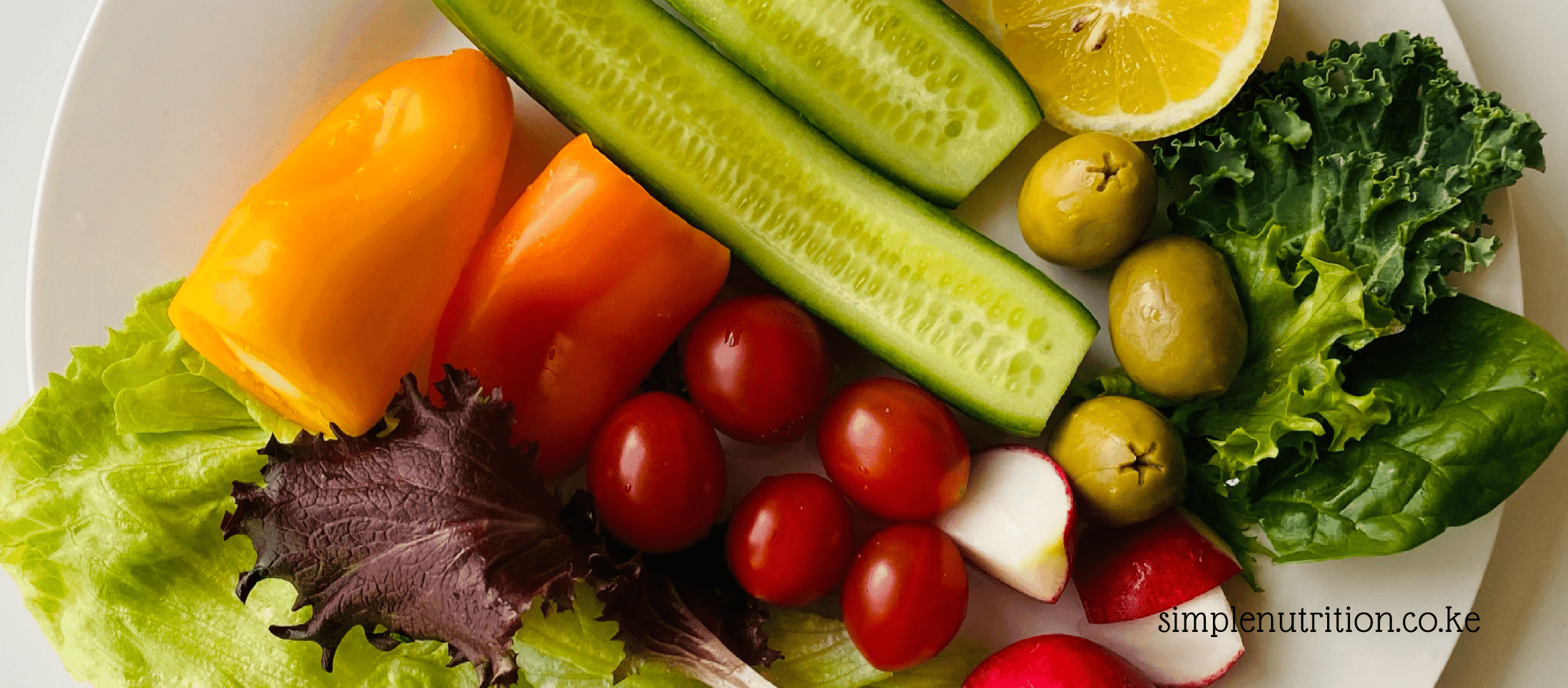
Pairing ugali with non-starchy vegetables increases fiber and lowers overall meal glycaemic load.
Cooling cooked ugali increases resistant starch formation.
Does Ugali Cause Weight Gain?
No single food causes weight gain. Weight gain results from chronic positive energy balance, where calorie intake consistently exceeds energy expenditure.
Ugali contributes to excess weight gain mainly when portions are very large, meals lack vegetables and protein, diet quality is poor overall, or physical activity is low.
When eaten in appropriate portions and paired with fiber and protein, ugali can support satiety and meal satisfaction.
Ugali and Diabetes: What the Science Says
Does Ugali Cause Diabetes?
No. Type 2 diabetes develops from insulin resistance influenced by genetics, excess body fat, sedentary lifestyle, and long-term dietary patterns. Ugali alone does not cause diabetes.
Can People With Diabetes Eat Ugali?
Yes, with appropriate meal structuring.
Evidence-based strategies include controlled portions, preference for whole-grain or mixed flours such as maize combined with millet or sorghum, and pairing ugali with non-starchy vegetables, lean protein sources, and minimal added fats.
Micronutrient Reality Check
Refined maize ugali is low in iron, zinc, calcium, and B vitamins. Diets heavily dependent on refined ugali without diversity increase the risk of micronutrient inadequacy.
Dietary diversity improves mineral intake, fiber intake, and gut microbiota health. Ugali should therefore be viewed as a vehicle for balanced meals rather than the sole focus of the plate.
Public Health and Cultural Context
Ugali remains a culturally significant, affordable, and accessible staple food. From a public health perspective, eliminating ugali without realistic alternatives may worsen food insecurity and dietary adequacy.
Nutrition education should focus on meal balance and dietary diversity rather than food exclusion.

Bottom Line
Ugali is a nutritionally neutral carbohydrate staple. Its health effects are determined by portion size, degree of refinement, accompanying foods, and overall dietary pattern.
The more relevant question is not whether ugali is bad, but how it is consumed.
Ugali is not a dietary villain. Its metabolic effects are predictable and manageable within a balanced diet. Sustainable nutrition guidance should prioritize plate composition, fiber intake, protein adequacy, and moderation.
Ugali fits well within a balanced plate approach that emphasizes vegetables, protein, and controlled portions.
FAQ
Question: Is ugali bad for weight gain?
Answer: Ugali does not cause weight gain on its own. Weight gain depends on total calorie intake, portion size, and overall diet quality.
Question: Can people with diabetes eat ugali?
Answer: Yes. Ugali can be eaten in controlled portions when paired with fiber-rich vegetables and lean protein to reduce blood sugar spikes.
Question: Is ugali a high glycaemic food?
Answer: Refined maize ugali may have a moderate to high glycaemic index, but its glycaemic load depends on portion size and meal composition.
Question: What is the healthiest way to eat ugali?
Answer: The healthiest way to eat ugali is in moderate portions, paired with vegetables, protein, and minimal added fat.

Discover more from Simple Nutrition
Subscribe to get the latest posts sent to your email.