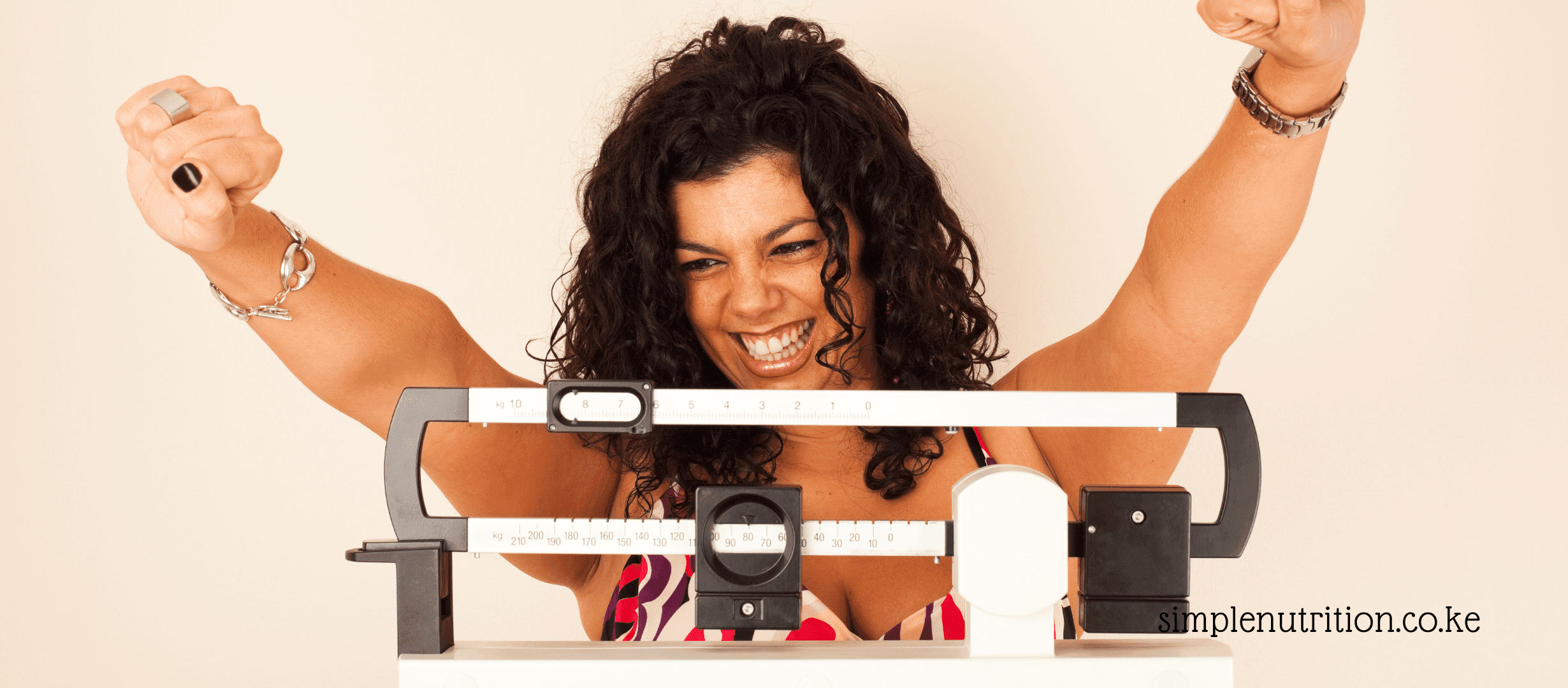

Weight loss is often presented as the solution to almost every health concern. If blood sugar is high, the advice is to lose weight. If blood pressure rises, the response is the same. Even when someone is simply tired, they are often told to slim.
This one-size-fits-all message ignores an important truth. Not everyone needs to lose weight to be healthy.
For many people, focusing on weight loss shifts attention away from the real causes of poor health and sometimes creates new problems.
Health is influenced by food quality, physical activity, stress, sleep, hormones, muscle mass, and life stage, not just body size.
Weight is not a direct measure of health
The scale only tells us how heavy a body is. It does not explain why.
For example, a woman who walks daily, eats regular meals, and cooks most of her food at home may weigh more than expected, yet have normal blood sugar, normal blood pressure, and good energy levels.
Another person may be thin but lives on sweet tea, mandazi, sugary drinks, and irregular meals. Despite the smaller body size, they may have insulin resistance, anaemia, or frequent fatigue.
Weight alone cannot capture these differences.
This is why proper health assessment should include blood sugar, cholesterol, blood pressure, waist circumference, diet quality, and physical strength, not just kilograms.
Some people are healthy at higher weights
Many people may look like they have too much weight but are metabolically healthy.
For instance, a market vendor who walks long distances daily, eats traditional meals such as githeri, sukuma wiki, beans, and ugali in moderate portions may have stable blood sugar and good cardiovascular health, even if their weight is higher than recommended by charts.
For such individuals, aggressive weight loss may increase stress, lead to unnecessary food restriction, and reduce muscle mass.
The priority should be maintaining healthy habits rather than forcing the body to be smaller.
Weight focus can hide real nutrition problems
When weight loss becomes the main goal, people often make harmful choices.
Common examples include skipping breakfast and surviving on tea until evening, avoiding carbohydrates completely including healthy staples like maize, rice, or sweet potatoes, and eating very small portions while feeling constantly tired and irritable.
In clinical settings, it is common to see people trying to lose weight while consuming diets low in protein, iron, fibre, or calcium.
Their weight may change, but their health does not improve.
Shifting focus to balanced meals rather than restriction often resolves many symptoms.
Weight loss is not always appropriate
There are times when weight loss should not be encouraged.
During pregnancy and breastfeeding, energy and nutrient needs increase. Trying to lose weight during this time can affect milk supply, maternal health, and infant growth.
In older adults, especially those over sixty, weight loss often reflects muscle loss. This increases the risk of weakness, falls, and slow recovery from illness. In this age group, the focus should be on adequate protein intake and maintaining strength.
Adolescents and individuals with a history of eating disorders also require special care. Weight-centred messaging can do more harm than good.
Health improvements do not always show on the scale
This is a common frustration.
Someone may reduce sugary drinks, start eating regular meals, add vegetables, and begin walking daily. Digestion improves, energy increases, and blood sugar stabilises, yet the scale barely moves.
This does not mean nothing is happening.
In many cases, the body is improving insulin sensitivity, rebuilding muscle, and reducing internal inflammation. These changes matter even if weight stays the same.
For conditions like diabetes, weight loss is not the first step
In prediabetes and type 2 diabetes, improving meal structure and carbohydrate quality often improves blood sugar before any weight loss occurs.
Examples include replacing sweetened tea with unsweetened tea, reducing soda and processed juices, adding beans or green grams to meals, and eating regular meals instead of long fasts.
These changes can lower blood sugar significantly without immediate weight loss.
In PCOS, improving insulin sensitivity through balanced meals and resistance exercise may restore menstrual cycles even if weight remains stable.
A smaller body does not automatically mean better health
Some people lose weight by eating very little or over-exercising.
While the scale goes down, they may experience fatigue, hair thinning, poor concentration, irregular periods, and anxiety around food.
This is not health.
Health should allow someone to eat normally, function daily, and maintain energy, not live in constant restriction.
Health-seeking behaviours matter more than weight
Instead of asking how to lose weight, a better question is what the body needs to function well.
This may include eating three balanced meals daily, including protein at each meal, increasing vegetables and legumes, reducing ultra-processed foods, moving the body consistently, sleeping adequately, and managing stress.
These behaviours improve health whether weight changes or not.
Remember!
Weight loss is not a universal prescription.
Some people benefit from weight loss for medical reasons. Others benefit more from better nourishment, stable blood sugar, improved strength, and a healthier relationship with food.
Bodies are different. Health is individual.
The real goal is not a smaller body, but one that is well nourished, functional, and sustainable.
Discover more from Simple Nutrition
Subscribe to get the latest posts sent to your email.