If you are trying to lose weight, manage diabetes, or improve your nutrition, understanding empty calories is important. Many people consume them daily without realising how much they affect blood sugar control, hunger levels, and weight management.
What Does Empty Calories Mean?
Empty calories are calories that provide energy but very little nutritional value.
They are usually:
- Low in fibre
- Low in protein
- Low in vitamins and minerals
- High in added sugars, refined carbohydrates, unhealthy fats, or alcohol
In simple terms:
- You get calories
- You do not get nourishment
- You feel hungry again quickly
These foods may fill your stomach briefly but do not support body functions, metabolism, or blood sugar balance.
Common Foods Termed as Empty Calories
Sugary Drinks
- Soda
- Energy drinks
- Sweetened juices
- Flavoured bottled teas
- Sweetened coffee drinks
These drinks add large amounts of sugar without fibre or satiety.
Sweets and Baked Goods
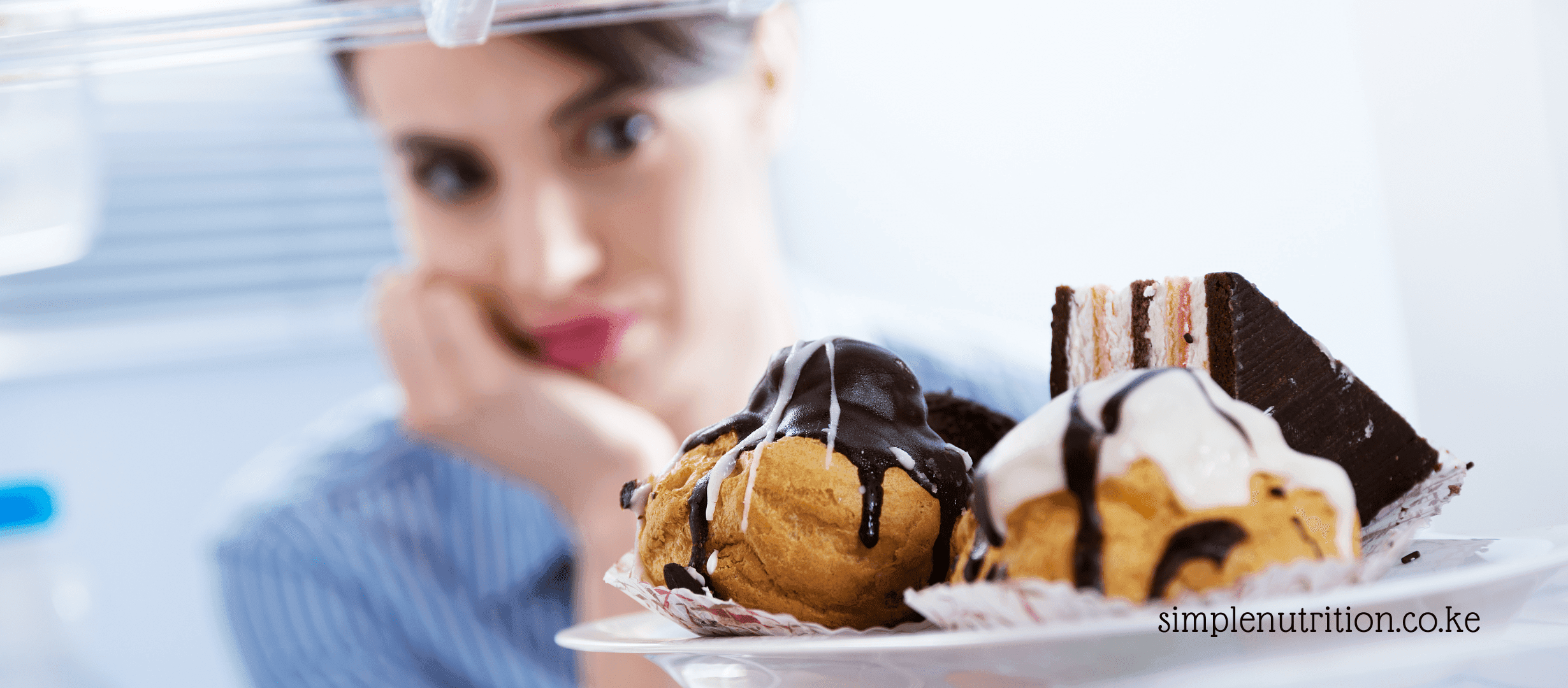
- Cakes
- Cookies
- Doughnuts
- Pastries
- Sweets and chocolates
They are high in sugar and refined flour but low in nutrients.
Refined Grains
- White bread
- White rice
- Mandazi
- Chapati made with refined flour
- Sugary breakfast cereals
Refining removes fibre and important micronutrients.
Fast and Fried Foods
- Chips or fries
- Burgers
- Fried chicken
- Pizza
- Processed meats
These foods are calorie dense and often high in unhealthy fats and salt.
Alcohol
- Beer
- Spirits
- Sweetened alcoholic drinks
Alcohol provides calories without nutrients and disrupts blood sugar regulation.
How to Turn Empty Calorie Foods into More Nutritious Choices
The goal is improvement, not perfection. Small swaps can make a big difference.
Better Drink Choices
Instead of:
- Soda or sweetened juice
Choose:
- Water
- Sparkling water with lemon
- Unsweetened tea
- Whole fruit smoothies with fibre
Healthier Sweet Options
Instead of:
- Cakes and cookies
Choose:
- Fresh fruit
- Yoghurt with fruit
- Homemade snacks with oats and nuts
- Peanut butter with apple slices
Smarter Carbohydrate Choices
Instead of:
- White bread or refined chapati flour
Choose:
- Whole grain bread
- Whole wheat chapati
- Millet, sorghum, or oats
- Brown rice or mixed grains
Improved Meal Choices
Instead of:
- Fast food meals
Choose:
- Home cooked meals
- Lean protein such as eggs, chicken, beans, or fish
- Vegetables cooked with minimal oil
- Healthy fats like avocado or olive oil
Reducing Alcohol Intake
Instead of:
- Regular alcohol consumption
Choose:
- Non alcoholic alternatives
- Sparkling water with fruit
- Limiting alcohol to special occasions
How Empty Calories Affect Weight Loss
Empty calorie foods make weight loss harder for several reasons.
They:
- Do not keep you full
- Increase cravings
- Are easy to overeat
- Add calories without satisfaction
Practical example:
- A sweetened coffee and doughnut may provide hundreds of calories
- Hunger returns quickly
- This often leads to overeating later in the day
In contrast:
- A meal with protein, fibre, and healthy fats
- Keeps you full longer
- Reduces snacking
- Supports a calorie deficit more easily
How Empty Calories Affect Diabetes
For people with diabetes or insulin resistance, empty calories are especially harmful.
They:
- Cause rapid blood sugar spikes
- Increase insulin demand
- Worsen insulin resistance over time
Practical example:
- Drinking a soda causes a sharp rise in blood sugar
- Blood sugar drops quickly afterward
- This leads to fatigue and increased hunger
Better alternative:
- Choosing whole foods with fibre
- Pairing carbohydrates with protein and fat
- Slowing glucose absorption
- Improving blood sugar stability
Frequent intake of empty calories also promotes weight gain, which further worsens diabetes control.
Remember!
Empty calories provide energy without nourishment. They contribute to weight gain, unstable blood sugar, and poor overall health. By reducing foods high in added sugars and refined carbohydrates and replacing them with whole, nutrient dense foods, you support better weight management and improved diabetes control.
Discover more from Simple Nutrition
Subscribe to get the latest posts sent to your email.