Many people think an unhealthy diet is only obvious if you’re gaining weight.
But your body has many other ways of telling you that it’s not getting the nutrients it needs.
Low energy, constant cravings, poor concentration, frequent illness, and digestive problems can all be signs that your eating habits need some attention.
The good news is that you don’t need a complete diet overhaul overnight. Often, small, consistent changes make the biggest difference.
Here are 15 signs your diet may need an upgrade—and what you can do about them.
1. You’re Always Tired
Do you wake up feeling exhausted even after a full night’s sleep?
While many factors can cause fatigue, your diet may be contributing.
Low intake of iron, protein, or overall calories can leave you feeling drained.
Try this:
- Include protein at every meal.
- Eat iron-rich foods like beans, omena, liver (if you eat it), spinach, and managu.
- Pair iron-rich foods with vitamin C-rich foods such as oranges or tomatoes to improve iron absorption.
2. You’re Constantly Hungry
If you’re hungry again an hour after eating, your meals may lack protein or fibre.
Meals made up mainly of refined carbohydrates don’t keep you full for long.
Try this:
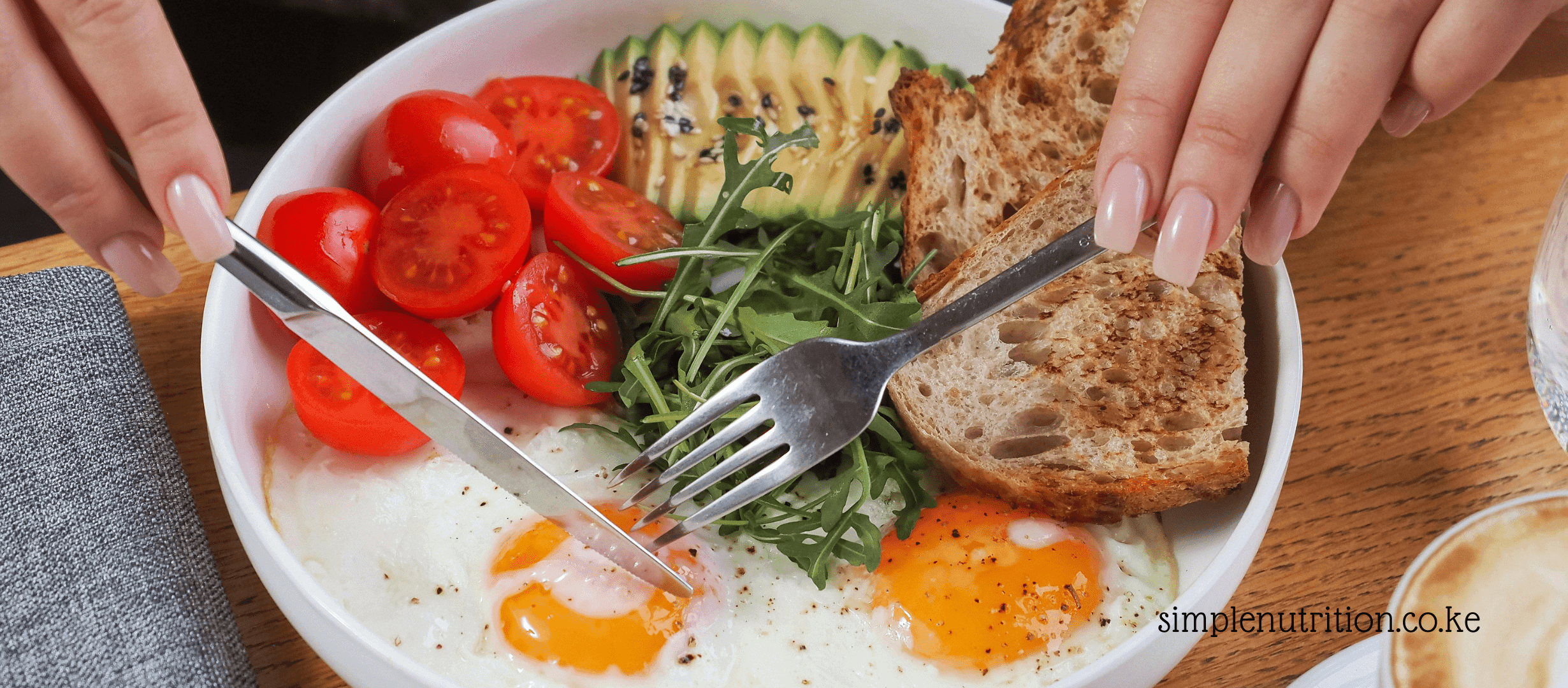
Instead of tea and white bread alone, have eggs with wholemeal bread and avocado, or oatmeal with milk and groundnuts.
3. You Hardly Eat Vegetables
If vegetables only appear on your plate once or twice a week, your diet could use more colour.
Vegetables provide fibre, vitamins, minerals, and antioxidants.
Aim to fill half your plate with vegetables at lunch and dinner.
4. You Often Feel Bloated or Constipated
Digestive issues are commonly linked to low fibre and low fluid intake.
Increase:
- Fruits
- Vegetables
- Beans
- Whole grains
- Water
Your digestive system will thank you.
5. You Crave Sugary Foods Every Day
Regular cravings may be a sign that your meals aren’t balanced or that you’re relying on highly processed snacks.
Instead of skipping meals, eat balanced meals with protein, healthy fats, and fibre.
6. You Rarely Eat Fruit
Fruit provides vitamins, minerals, antioxidants, and fibre.
Aim for one to two servings daily.
Great Kenyan choices include:
- Pawpaw
- Mangoes
- Oranges
- Guavas
- Watermelon
- Apples
7. Most of Your Meals Come From Takeaways
There’s nothing wrong with enjoying takeaway occasionally.
But if it’s your default option most days, you may be consuming excess salt, saturated fat, and calories.
Even cooking at home two or three extra times a week can make a difference.
8. You Drink More Sugary Drinks Than Water
Soft drinks, sweetened juices, energy drinks, and sugary coffee drinks can add a lot of sugar without keeping you full.
Make water your main drink and keep a reusable bottle nearby.
9. Your Meals Look the Same Every Day
Eating the same foods repeatedly can limit the variety of nutrients you get.
Challenge yourself to try:
- A new vegetable
- A different bean variety
- Millet instead of refined cereals
- A seasonal fruit you’ve never tried
10. You Skip Breakfast or Other Meals Regularly
Skipping meals doesn’t always lead to weight loss.
For many people, it leads to overeating later in the day.
If mornings are busy, choose quick options like:
- Plain yoghurt with fruit
- Boiled eggs
- Overnight oats
- Wholemeal toast with peanut butter
11. You Get Sick Frequently
A balanced diet supports a healthy immune system.
Include a variety of colourful fruits, vegetables, whole grains, lean proteins, and healthy fats to help meet your nutrient needs.
12. Your Weight Keeps Going Up (or Down) Without Explanation
Unplanned weight changes can sometimes be linked to diet, but they can also be caused by underlying medical conditions.
If you’ve experienced significant unexplained weight loss or gain, consult a healthcare provider for assessment.
13. You Depend on Snacks Instead of Meals
Snacks are helpful when they’re planned—not when they replace balanced meals.
Nutritious snack ideas include:
- Fruit with groundnuts
- Plain yoghurt
- Boiled eggs
- Carrot sticks with hummus
- Roasted chickpeas
14. You Rarely Eat Protein
Protein is essential for maintaining muscle, supporting immunity, and keeping you satisfied.
Good Kenyan sources include:
- Eggs
- Fish
- Chicken
- Beans
- Ndengu
- Lentils
- Milk
- Plain yoghurt
- Omena
Try to include a protein source at every meal.
15. You Feel Like Healthy Eating Is Too Complicated
If you think eating well means buying expensive “superfoods” or following strict diets, it’s time to simplify.
Healthy eating can be as simple as:
- Adding vegetables to your meals.
- Choosing whole grains more often.
- Drinking more water.
- Cooking at home more frequently.
- Eating regular, balanced meals.
You don’t need perfection—you need consistency.
Quick Diet Upgrade Checklist
How many of these can you tick today?
| Healthy Habit | ✅ |
|---|---|
| Ate at least one serving of fruit | ☐ |
| Ate vegetables with lunch or dinner | ☐ |
| Included protein in every meal | ☐ |
| Drank mostly water | ☐ |
| Ate a home-cooked meal | ☐ |
| Chose whole grains or high-fibre carbohydrates | ☐ |
| Limited sugary drinks | ☐ |
| Ate mindfully without distractions | ☐ |
| Planned tomorrow’s meals | ☐ |
| Tried a new healthy food this week | ☐ |
Remember, every tick is progress.
Small Changes That Make a Big Difference
| Instead Of… | Try This… |
|---|---|
| Sugary breakfast cereal | Oats with milk and fruit |
| White bread only | Wholemeal bread with eggs |
| Soft drinks | Water with lemon or cucumber |
| Crisps | Roasted groundnuts or popcorn |
| Chips every day | Boiled sweet potatoes or roasted potatoes |
| Skipping lunch | Pack a balanced meal from home |
These swaps are realistic, affordable, and easy to maintain.
Remember.
A healthy diet isn’t about eating perfectly every day. It’s about noticing the habits that may be holding you back and making small improvements over time.
If you recognized yourself in several of these signs, don’t be discouraged. You don’t need to change everything at once.
Start with one habit this week. Drink more water, add vegetables to your meals, eat breakfast, or include more protein. Once that habit becomes routine, build on it.
Remember, the goal isn’t to have a perfect diet—it’s to create one that supports your energy, health, and long-term wellbeing.
Discover more from Simple Nutrition
Subscribe to get the latest posts sent to your email.