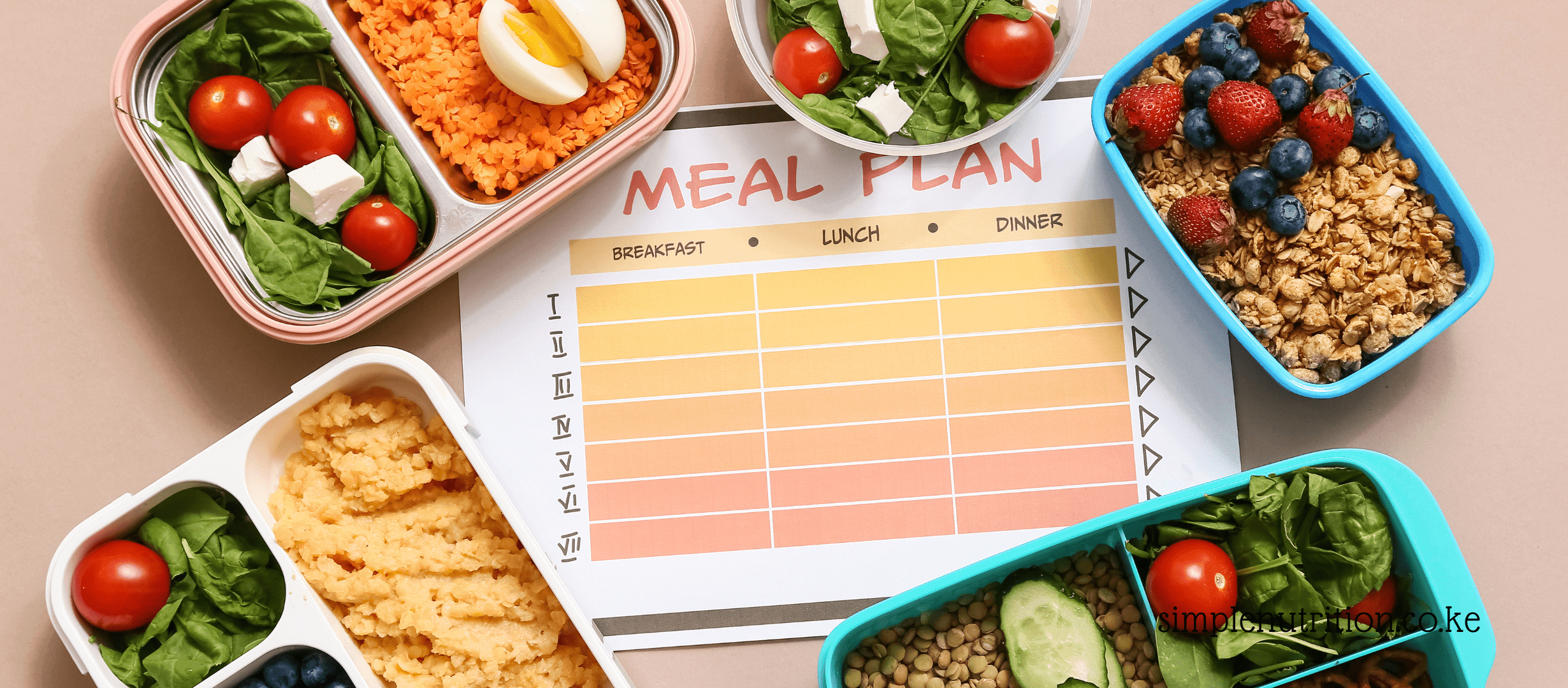

Many people believe eating healthy means counting every calorie, weighing food, or following complicated meal plans. While these methods can work for some, they aren’t necessary for most people.

A balanced plate is one of the simplest ways to nourish your body. It helps you get the nutrients you need, keeps you fuller for longer, supports steady energy levels, and makes healthy eating easier to maintain.
The best part? You don’t need a calculator or a food scale—just your plate.
What Is a Balanced Plate?
A balanced plate is a meal that combines the right proportions of different food groups to provide your body with energy, protein, healthy fats, vitamins, and minerals.
Instead of focusing on what to avoid, a balanced plate encourages you to include a variety of foods that work together to keep you healthy and satisfied.
The Simple Plate Method
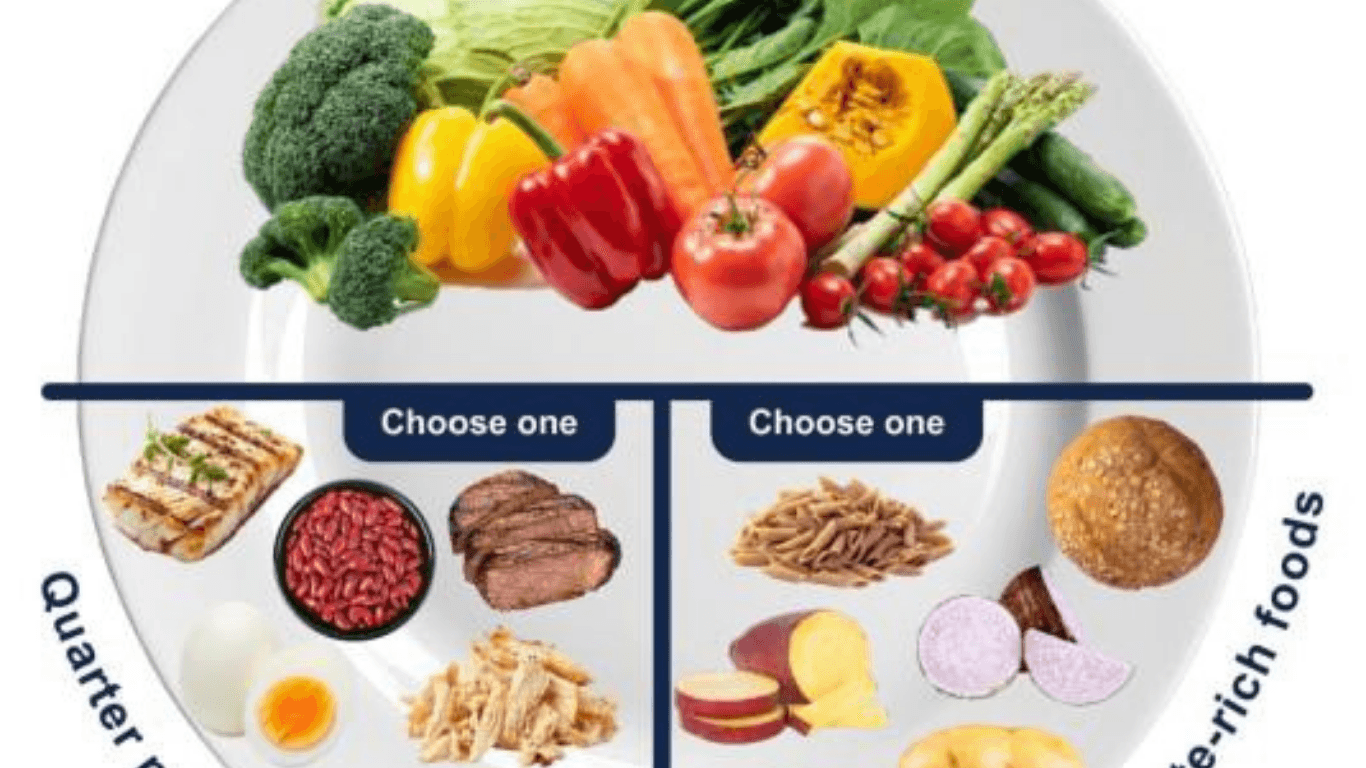
A simple guide is to divide your plate into sections:
- Half your plate: Non-starchy vegetables
- One-quarter of your plate: Protein
- One-quarter of your plate: Healthy carbohydrates
Add a small serving of healthy fats if they aren’t already included in your meal, and drink water with your meal whenever possible.
This method naturally supports portion control without the need to count calories.
Fill Half Your Plate with Vegetables
Vegetables are rich in vitamins, minerals, fibre, and antioxidants. They also add volume to your meals, helping you feel satisfied without excessive calories.
Great choices include:
- Sukuma wiki
- Spinach
- Cabbage
- Traditional vegetables such as managu, terere, and mrenda
- Broccoli
- Cauliflower
- Green beans
- Tomatoes
- Cucumbers
- Carrots
Aim for variety throughout the week to benefit from different nutrients.
Choose a Quality Source of Protein
Protein is essential for maintaining muscle, repairing body tissues, supporting immunity, and helping you stay full between meals.
Healthy protein options include:
- Eggs
- Chicken
- Fish
- Lean beef
- Beans
- Green grams (ndengu)
- Lentils
- Cowpeas
- Chickpeas
- Milk and yoghurt
Including protein in every meal can help reduce unnecessary snacking and improve meal satisfaction.
Add Healthy Carbohydrates
Carbohydrates provide your body’s main source of energy. Rather than avoiding them, focus on choosing nutritious, fibre-rich options and eating appropriate portions.
Examples include:
- Ugali
- Brown rice
- Sweet potatoes
- Arrowroots
- Irish potatoes
- Whole-grain chapati
- Oats
- Millet
- Sorghum
Remember, carbohydrates are not the enemy. They become part of a healthy diet when paired with protein, vegetables, and healthy fats.
Don’t Forget Healthy Fats
Healthy fats support brain function, hormone production, and the absorption of certain vitamins.
Enjoy moderate portions of:
- Avocado
- Groundnuts
- Peanut butter
- Seeds
- Olive oil
- Nuts
A little goes a long way, so include them in sensible amounts.

Kenyan Balanced Plate Ideas
Healthy eating doesn’t require expensive or imported foods. Many everyday Kenyan meals can be balanced with a few simple adjustments.
Breakfast
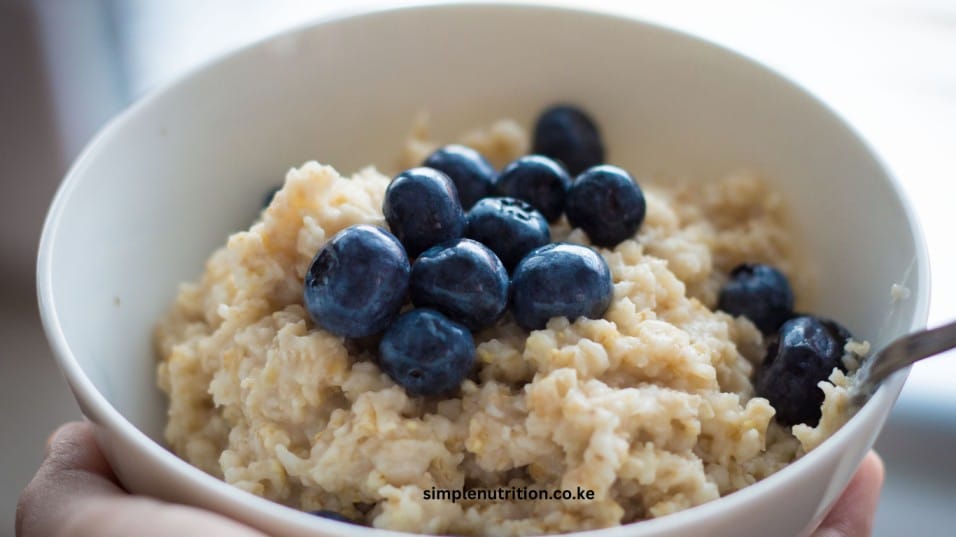
- Oats cooked with milk, topped with sliced banana and groundnuts
- Two boiled eggs with wholemeal bread and a tomato
- Plain yoghurt with fruit and a handful of nuts
Lunch
- Grilled chicken, ugali, and sukuma wiki
- Beans, brown rice, and mixed vegetables
- Tilapia with sweet potatoes and spinach
Dinner
- Beef stew with cabbage and a small serving of mashed potatoes
- Lentil stew with steamed vegetables and millet
- Fish with traditional vegetables and arrowroots
These meals provide a balance of carbohydrates, protein, fibre, and healthy fats to support energy and overall health.
How to Build a Balanced Plate When Eating Out
Eating away from home doesn’t mean abandoning healthy habits.
Try these simple tips:
- Choose grilled, boiled, or roasted foods instead of deep-fried options.
- Ask for extra vegetables if available.
- Avoid oversized portions by sharing a meal or saving half for later.
- Drink water instead of sugary beverages.
- Eat slowly and stop when you’re comfortably full.
Healthy choices are still possible, even in restaurants or at social gatherings.
Common Mistakes to Avoid
Filling Most of the Plate with Carbohydrates
Large portions of rice, ugali, or chapati often leave little room for vegetables and protein.
Skipping Protein
Meals made up mostly of carbohydrates may leave you hungry soon after eating.
Ignoring Vegetables
Vegetables are an important source of fibre and nutrients. Aim to include them daily.
Drinking Your Calories
Sugary drinks can add a significant amount of calories without keeping you full. Water is usually the best choice.
Thinking Every Meal Must Be Perfect
Healthy eating is about consistency, not perfection. One unbalanced meal won’t undo your progress.
Remember: Every Plate Doesn’t Have to Look the Same
Some days you’ll eat more vegetables, other days you may have a larger carbohydrate portion because you’re more active or hungrier. That’s normal.
A balanced plate is a guide—not a strict rulebook. The goal is to build meals that nourish you, satisfy you, and fit your lifestyle.
Remember
Creating a balanced plate is one of the simplest and most sustainable ways to eat well. You don’t need to count calories or eliminate your favourite foods. By filling half your plate with vegetables, including a source of protein, choosing quality carbohydrates, and adding healthy fats in moderation, you can enjoy meals that support your health and keep you feeling satisfied.
Healthy eating doesn’t have to be complicated. Start with your next meal, make small improvements over time, and remember that balance—not perfection—is what leads to lasting habits.
Discover more from Simple Nutrition
Subscribe to get the latest posts sent to your email.