Watching your baby grow is exciting, and one of the biggest milestones is introducing solid foods. Many parents worry about whether their child is eating enough or getting the right nutrients. The good news is that feeding your baby doesn’t have to be complicated. With a variety of nutritious foods offered consistently, your child can get everything they need for healthy growth and development.

When Should You Start Solid Foods?
The World Health Organization (WHO) recommends exclusive breastfeeding for the first 6 months of life. At around 6 months, breast milk alone is no longer enough to meet your baby’s nutritional needs, especially for iron and zinc. This is the right time to introduce complementary foods while continuing breastfeeding up to 2 years and beyond if possible.
Signs your baby is ready include:
- Sitting with little support.
- Good head and neck control.
- Showing interest in food.
- Opening their mouth when food is offered.
- Moving food from the spoon to the back of the mouth instead of pushing it out.
The Nutrients Your Baby Needs
- Protein
Protein supports growth, muscle development, and tissue repair.
Good sources:
- Eggs
- Chicken
- Fish (well cooked and deboned)
- Beef
- Beans
- Lentils
- Green grams (ndengu)
- Cowpeas
- Milk and plain yoghurt (after 6 months as foods, but avoid replacing breast milk or formula)
Aim to include a protein-rich food at least once or twice every day.
- Iron
Iron is one of the most important nutrients because babies’ iron stores begin to run low after 6 months.
Good sources:
- Beef
- Liver (occasionally, in small amounts)
- Chicken
- Fish
- Beans
- Lentils
- Fortified infant cereals
- Dark green leafy vegetables
Pair plant sources of iron with vitamin C-rich foods like oranges, mangoes, tomatoes, or pawpaw to improve absorption.


- Healthy Fats
Healthy fats provide energy and support brain development.
Good sources:
- Avocado
- Peanut butter (thinly spread or mixed into porridge if there is no allergy risk)
- Groundnuts (finely ground)
- Cooking oils in small amounts
- Oily fish
Do not put babies on low-fat diets.
- Calcium
Calcium helps build strong bones and teeth.
Good sources:
- Breast milk or infant formula
- Plain yoghurt
- Cheese (small amounts)
- Milk used in cooking
- Small fish eaten with soft bones, such as omena
- Vitamin D
Vitamin D helps the body absorb calcium.
Sources include:
- Safe sunlight exposure
- Eggs
- Oily fish
- Fortified foods
Some babies may require supplementation based on your healthcare provider’s advice.
- Zinc
Zinc supports growth, healing, and immunity.
Good sources:
- Beef
- Chicken
- Fish
- Eggs
- Beans
- Lentils
- Dairy products
- Vitamin A
Vitamin A is important for eyesight and immunity.
Good sources:
- Carrots
- Pumpkin
- Sweet potatoes
- Mangoes
- Pawpaw
- Eggs
- Liver
- Dark green vegetables
- Vitamin C
Vitamin C strengthens immunity and improves iron absorption.
Good sources:
- Oranges
- Lemons
- Tomatoes
- Mangoes
- Pawpaw
- Guava
- Bell peppers
- Fibre
Fibre supports healthy digestion.
Good sources:
- Fruits
- Vegetables
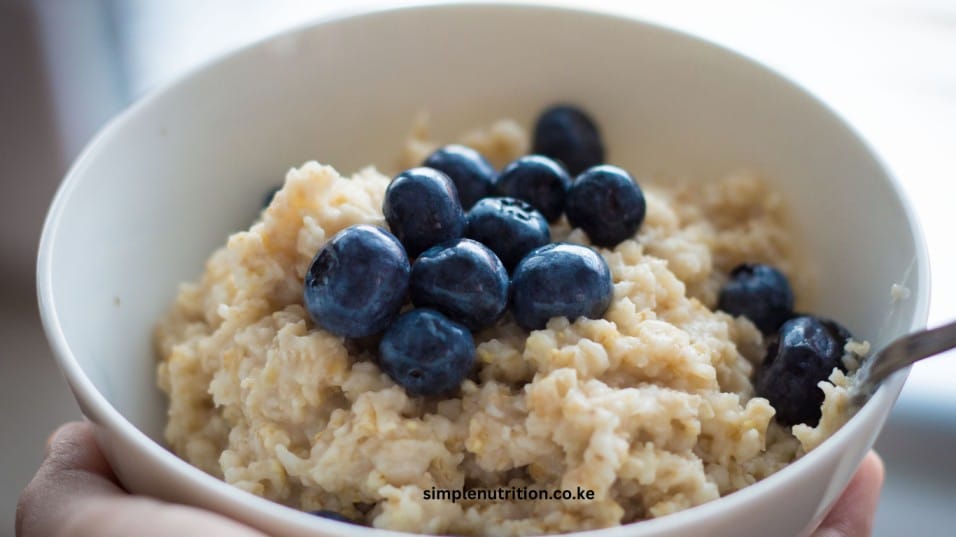
- Oats
- Whole grains
- Beans
Introduce fibre gradually while ensuring your baby drinks enough fluids.
Foods to Include Every Day
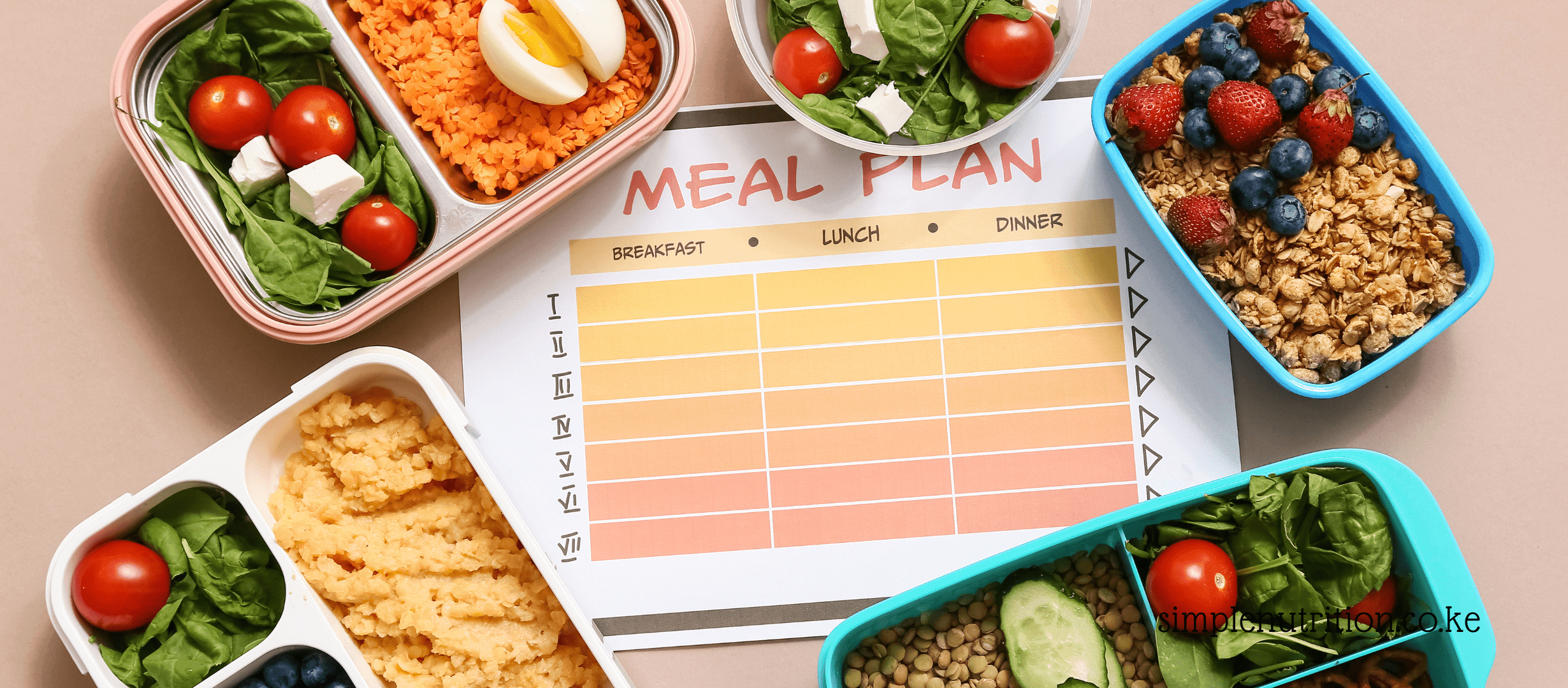
A balanced meal for your baby should contain:
- A carbohydrate: ugali, potatoes, sweet potatoes, rice, millet, oats, or porridge.
- A protein: eggs, beans, fish, chicken, beef, lentils, or ndengu.
- Vegetables: spinach, sukuma wiki, carrots, pumpkin, or broccoli.
- Fruit: banana, avocado, mango, pawpaw, or oranges.
Sample Daily Menu (8–12 Months)
Breakfast
- Millet porridge made with milk
- Mashed banana
Mid-morning Snack
- Pawpaw or avocado
Lunch
- Mashed potatoes
- Minced beef
- Mashed carrots and spinach
Afternoon Snack
- Plain yoghurt
Dinner
- Soft rice
- Stewed ndengu
- Pumpkin
Continue breastfeeding on demand throughout the day.
Foods to Avoid
Avoid giving your baby:
- Honey before 12 months.
- Whole nuts (choking risk).
- Sugary drinks and sweets.
- Excess salt.
- Processed foods such as sausages, crisps, and instant noodles.
- Unpasteurized milk products.
Feeding Tips
- Introduce one new food at a time.
- Offer a variety of foods repeatedly, even if your baby refuses at first.
- Allow your child to explore food with their hands.
- Never force-feed.
- Watch for signs of allergies when introducing common allergens such as eggs, peanuts, fish, and dairy.
- Ensure food is soft and cut into age-appropriate pieces to reduce choking risk.
How Much Should Your Baby Eat?
Start with 2–3 tablespoons of food once or twice a day at around 6 months. Gradually increase both the amount and frequency as your child grows.
General guide:
- 6–8 months: 2–3 meals per day plus breastfeeding.
- 9–11 months: 3–4 meals plus 1–2 healthy snacks.
- 12–24 months: 3 family meals plus 2–3 healthy snacks each day.
Remember that every child has a different appetite. Focus on offering nutritious foods regularly rather than forcing your child to finish every meal.
Common Mistakes Parents Make
- Starting solids too early.
- Offering juice instead of whole fruit.
- Giving too many sugary snacks.
- Depending only on porridge.
- Not including iron-rich foods daily.
- Giving large pieces of food that increase the risk of choking.
- Expecting babies to eat large portions immediately.
Remember
Starting complementary feeding is an important step in your child’s development. Aim to provide meals that include carbohydrates, protein, healthy fats, fruits, and vegetables every day.
A colourful plate with a variety of foods will naturally provide most of the nutrients your child needs for healthy growth, strong immunity, and brain development.
Continue breastfeeding alongside complementary foods, be patient as your baby learns to eat, and remember that healthy eating habits begin from the very first bite.
Discover more from Simple Nutrition
Subscribe to get the latest posts sent to your email.