Have you noticed that losing weight is not as easy as it used to be?
In your twenties, you could skip a few snacks or walk more and see results quickly. After 30, many women find that even with effort, the scale barely moves.
This is frustrating—but also very common.
The issue is not that your body is “failing.” It’s that your lifestyle, hormones, and daily demands often change at the same time, affecting how your body manages weight.
Understanding these changes is the first step toward making progress again.
Is Metabolism Really Slower After 30?
One of the most common beliefs is that metabolism suddenly slows at 30.
The reality is more gradual.
Metabolism does not crash overnight. Instead, small changes happen over time, mainly due to:
- Reduced physical activity
- Loss of muscle mass
- Increased sitting time
- Busier schedules with less structured exercise
Since muscle burns more energy than fat, even a small decrease in muscle mass can affect how many calories your body uses each day.
So it’s not age alone—it’s what changes with age.
The Busy Life Effect
After 30, many women juggle multiple responsibilities:
- Work or business demands
- Parenting
- Household management
- Financial pressure
- Family care
This often leads to:
- Less time for exercise
- More reliance on quick meals
- Irregular eating patterns
- Increased fatigue
When life becomes busier, health routines are usually the first thing to suffer.
Stress and Cortisol
Chronic stress is one of the most overlooked factors in weight management.
When stress levels remain high, the body produces more cortisol.
This can:
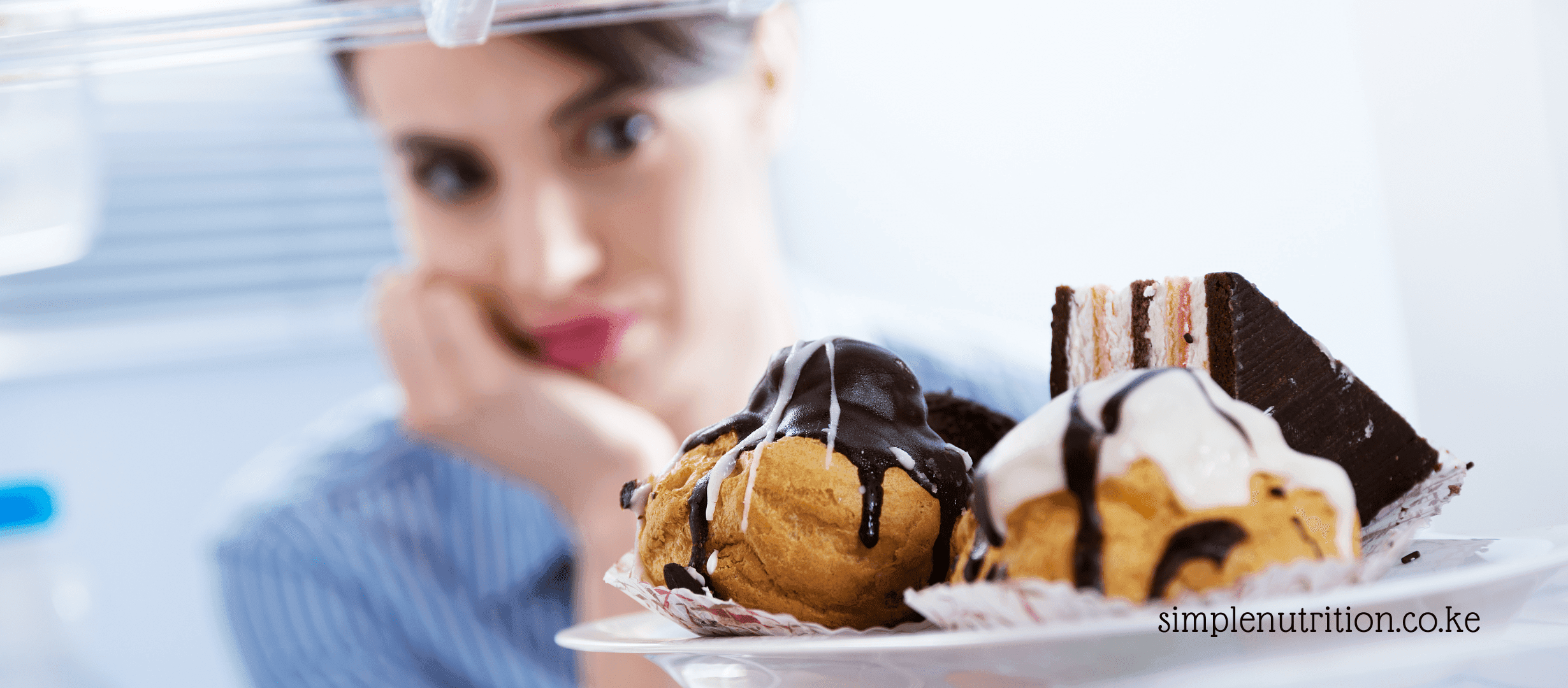
- Increase cravings (especially for sugary foods)
- Promote fat storage around the abdomen
- Disrupt appetite regulation
- Make emotional eating more likely
Many women assume they lack discipline, when in reality stress is influencing their biology.
Sleep Disruption and Weight Gain
Sleep has a direct effect on hunger and metabolism.
When you consistently sleep less than 7 hours:
- Hunger hormones increase
- Fullness signals weaken
- Cravings become stronger
- Energy levels drop
This combination often leads to overeating without realizing it.
Even small improvements in sleep quality can significantly improve weight control.
Gradual Muscle Loss
From your 30s onward, muscle mass naturally begins to decline if not maintained.
This is made worse by:
- Sedentary work
- Low protein intake
- Lack of strength training
- Frequent dieting without exercise
Less muscle can lead to:
- Slower calorie burning
- Reduced strength
- Higher fat accumulation over time
This is why strength training becomes increasingly important for women after 30.
Healthy Foods, Hidden Calories
Many women improve their diet after 30 but still struggle with weight loss.
One reason is portion size.
Healthy foods like:
- Avocados
- Groundnuts
- Peanut butter
- Smoothies
- Granola
are nutrient-dense but also calorie-dense.
When portions are not controlled, it becomes easy to consume more energy than the body needs—even with healthy eating.
Hormonal Changes
Hormones naturally fluctuate with age and life stages, including:
- Postpartum changes
- Birth control use
- Perimenopause transitions
These shifts can influence:
- Appetite
- Fat distribution
- Energy levels
- Water retention
Hormonal changes don’t prevent weight loss, but they can make it feel different from before.
Why Restrictive Diets Stop Working
Many women respond to slower results by eating less and exercising more intensely.
This often leads to:
- Fatigue
- Strong cravings
- Muscle loss
- Inconsistent dieting cycles
Short-term diets may produce quick results, but they are rarely sustainable.
Over time, the body adapts, making extreme restriction less effective.
What Actually Works After 30
Prioritize Protein
Protein helps:
- Keep you full longer
- Preserve muscle
- Support fat loss
Good sources include eggs, fish, chicken, beans, lentils, milk, and yogurt.
Build and Maintain Muscle
Strength training is one of the most effective tools for long-term weight management.
It helps:
- Improve metabolism
- Shape the body
- Prevent muscle loss
Even 2–3 sessions per week is enough to make a difference.
Increase Daily Movement
You don’t need extreme workouts.
Focus on:
- Walking more
- Taking stairs
- Standing regularly
- Short movement breaks during the day
Consistency matters more than intensity.
Improve Sleep Quality
Better sleep supports:
- Appetite control
- Energy balance
- Hormonal regulation
Aim for a consistent sleep schedule as much as possible.
Manage Stress Levels
Stress management can significantly improve weight outcomes.
Helpful practices include:
- Walking
- Prayer or meditation
- Journaling
- Deep breathing
- Social support
Be Consistent, Not Perfect
Many women give up when results are not immediate.
However, sustainable change comes from consistency over time, not short bursts of effort.
Small daily habits repeated consistently lead to long-term results.
Discover more from Simple Nutrition
Subscribe to get the latest posts sent to your email.