
Have you ever thought:
“I’m eating healthy, so why am I not losing weight?”
You’re not alone.
Many people switch from processed foods to healthier options and expect the weight to fall off. While choosing nutritious foods is an excellent step, there’s one important detail that often gets overlooked:
Healthy foods still contain calories.
This doesn’t mean you should avoid them. In fact, many healthy foods are packed with nutrients your body needs. However, when portions become too large, even healthy foods can contribute to weight gain over time.
Let’s look at some common examples.
Can Healthy Foods Really Cause Weight Gain?
Yes.
Weight gain occurs when you consistently consume more energy than your body uses.
Whether those calories come from chips or avocados, the body still stores excess energy.
The difference is that healthy foods provide vitamins, minerals, fiber, and other beneficial nutrients.
The goal isn’t to avoid these foods—it’s to enjoy them in reasonable amounts.
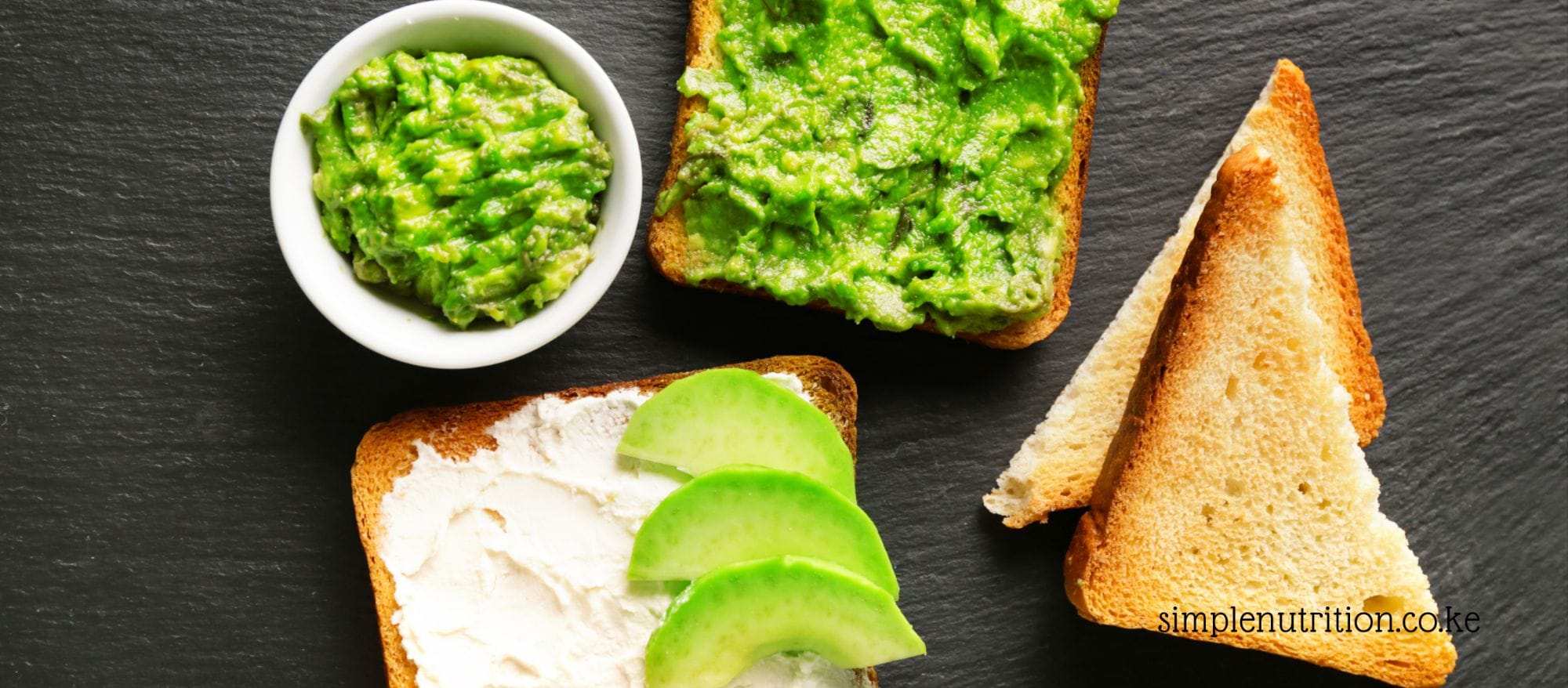
1. Avocados
Avocados are rich in:
- Healthy fats
- Fiber
- Potassium
- Vitamins
They can support heart health and help keep you full.
However, avocados are also relatively high in calories.
Many people eat an entire large avocado without realizing how quickly the calories add up.
A Real-Life Example
You prepare a healthy lunch:
- Two chapatis
- Beef stew
- One whole avocado
The meal is nutritious, but it may contain far more calories than expected.
Portion Tip
Aim for about a quarter to half an avocado depending on your needs and overall meal composition.
2. Groundnuts (Peanuts)
Groundnuts are a popular snack in many Kenyan households.
They provide:
- Protein
- Healthy fats
- Fiber
The challenge is that they’re easy to overeat.
A handful can quickly become several handfuls while watching television or working.
Portion Tip
Serve a small portion instead of eating directly from the packet or container.
3. Peanut Butter
Peanut butter contains healthy fats and protein.
Unfortunately, many people underestimate their serving size.
What starts as one spoonful often becomes three or four.
Portion Tip
Measure your serving instead of guessing.
Spread it thoughtfully rather than generously.
4. Smoothies
Smoothies often carry a healthy reputation.
The problem is what goes into them.
A typical smoothie may contain:
- Two bananas
- Mango
- Honey
- Yogurt
- Peanut butter
Individually, these ingredients are nutritious.
Combined, they can create a calorie-dense drink that is consumed in minutes.
Portion Tip
Balance smoothies with:
- Protein
- Vegetables
- Limited added sweeteners
5. Dried Fruits
Dried fruits contain vitamins, minerals, and fiber.
However, removing water makes them much easier to overconsume.
For example, you may eat a large handful of raisins far more quickly than you would eat the equivalent amount of fresh grapes.
Portion Tip
Pair dried fruits with nuts or yogurt and keep portions modest.
6. Granola
Granola often appears on healthy eating lists.
Many commercial varieties contain:
- Added sugar
- Honey
- Oils
- Dried fruit
Small servings can contain more calories than expected.
Portion Tip
Check labels carefully and measure portions rather than pouring freely.
7. Healthy Oils
Oils such as:
- Olive oil
- Avocado oil
- Canola oil
can be part of a healthy diet.
However, oil is concentrated energy.
A little goes a long way.
Portion Tip
Use measuring spoons instead of pouring directly from the bottle.
8. Trail Mix
Trail mix often contains:
- Nuts
- Seeds
- Dried fruits
- Chocolate pieces
It’s nutritious but very calorie-dense.
Because it’s considered healthy, many people eat much more than intended.
Portion Tip
Pre-portion snacks instead of carrying the entire packet.
9. Whole-Grain Snacks
Whole-grain crackers, biscuits, and snack bars may sound healthier than regular versions.
However, they’re still easy to overeat.
Many people mistakenly assume “whole grain” means unlimited.
Portion Tip
Treat them as snacks, not free foods.
10. Healthy Restaurant Meals
Even healthy restaurant meals can become calorie-heavy.
A salad may contain:
- Avocado
- Cheese
- Dressing
- Croutons
- Nuts
The ingredients are healthy, but the portions may significantly increase total calorie intake.
Portion Tip
Pay attention to additions, dressings, and serving sizes.
Why We Overeat Healthy Foods
There is a phenomenon known as the health halo effect.
This happens when we assume a food is healthy and therefore harmless.
Examples include:
- “It’s just avocado.”
- “It’s only nuts.”
- “It’s a smoothie.”
- “It’s natural.”
Because these foods are healthy, we often pay less attention to quantity.
How to Enjoy Healthy Foods Without Gaining Weight
Focus on Portion Awareness
You don’t need to count every calorie.
Instead, become mindful of serving sizes.
Build Balanced Meals
Include:
- Protein
- Vegetables
- Healthy fats
- High-fiber carbohydrates
Balanced meals are often more satisfying than large portions of a single food.
Eat Slowly
Eating slowly gives your body time to recognize fullness.
Avoid Eating Directly From Large Packages
Portion snacks into bowls or containers.
Pay Attention to Hunger Signals
Eat because you’re hungry, not simply because the food is available.
A Practical Kenyan Example
Imagine two people eating avocados.
Person A
- Half an avocado with lunch
Person B
- A whole avocado at lunch
- Another whole avocado at dinner
Both are eating healthy foods, but their total energy intake differs significantly.
The difference isn’t the food itself.
It’s the portion size.
Healthy foods are an important part of a balanced diet, but healthy doesn’t mean unlimited.
Avocados, groundnuts, peanut butter, granola, smoothies, dried fruits, and healthy oils can all contribute to weight gain when portions become too large.
Rather than avoiding these foods, learn to enjoy them mindfully.
A healthy diet is not just about what you eat—it’s also about how much you eat.
Because sometimes the difference between maintaining your weight and gaining weight isn’t the food itself—it’s the portion on your plate.
Discover more from Simple Nutrition
Subscribe to get the latest posts sent to your email.