
A low-protein diet limits daily protein intake to reduce stress on organs such as the kidneys and liver, particularly when they are not functioning properly. It is often recommended for certain medical conditions, including kidney disease, liver disorders, and metabolic conditions where the body cannot process protein efficiently. When carefully planned, this diet can help manage symptoms and support overall health while preventing nutrient deficiencies.
Key Features of a Low-Protein Diet:
- Reduced Protein Intake:
The amount is usually limited to about 0.6 to 0.8 grams per kilogram of body weight per day. In some cases, it can be even lower, depending on the severity of the condition.
For example, if someone weighs 70 kg, their daily protein intake might be limited to 42-56 grams.
- Protein Sources:
Focus on high-quality proteins, which provide all essential amino acids, such as eggs, dairy, and lean meats (if not vegetarian).
For vegetarians or vegans, high-quality sources include tofu, quinoa, and certain legumes, though these might still need to be limited.
- Increased Carbohydrates and fats
Since protein intake is reduced, calories need to come from other macronutrients. Complex carbohydrates (like whole grains, fruits, and vegetables) and healthy fats (like avocados, nuts, seeds, and olive oil) are emphasized to ensure sufficient energy intake.
- Vitamin and Mineral Supplementation:
A low-protein diet may lack certain vitamins and minerals, especially B vitamins, iron, and zinc. Supplements or careful planning may be necessary to avoid deficiencies.
- Meal Planning:
Careful meal planning is crucial to ensure that the diet is nutritionally adequate while keeping protein intake within recommended limits.
Protein-rich foods are portioned very carefully, and low-protein alternatives like low-protein bread, pasta, and other specialized products might be used.
When and why?
You may need to reduce your protein intake in specific health situations where high protein consumption could exacerbate existing conditions or cause additional harm. Here are some scenarios in which you might need to go down on protein intake:
1. Chronic Kidney Disease (CKD):
- Why: The kidneys filter waste products, including those from protein metabolism. In CKD, reduced kidney function means the body struggles to filter out waste, leading to an accumulation of harmful substances in the blood.
- When: If you have chronic kidney disease (CKD), particularly in stages 3–5, your doctor may recommend a low-protein diet to reduce strain on the kidneys, slow disease progression, and help control symptoms such as uremia.
2. Liver Disease:
- Why: The liver processes proteins and helps detoxify the body. In conditions like liver cirrhosis, the liver’s ability to handle protein metabolism is compromised.
- When: If you have liver disease, particularly cirrhosis, you may need to lower protein intake to prevent the buildup of ammonia and other toxins that could lead to hepatic encephalopathy (a decline in brain function due to liver failure).
3. Uremia or Advanced Kidney Failure:
- Why: In advanced kidney failure, the body accumulates urea and other nitrogenous wastes due to insufficient kidney function.
- When: If you are experiencing uremia (high levels of urea in the blood), reducing protein intake can help manage symptoms like fatigue, nausea, and confusion.
4. Heart Failure:
- Why: In severe heart failure, the body’s ability to excrete waste products might be compromised, leading to a recommendation for reduced protein intake to ease the burden on the heart and kidneys.
- When: If you have advanced heart failure, particularly if it is affecting kidney function (cardiorenal syndrome), your doctor may advise lowering protein intake.
5. Gout or High Uric Acid Levels:
- Why: Gout is a form of arthritis caused by excess uric acid in the blood, often due to the breakdown of purines found in high-protein foods.
- When: If you have gout or high uric acid levels, reducing protein intake (especially purine-rich foods like red meat and shellfish) can help prevent flare-ups and manage symptoms.
6. Post-Transplant (Kidney or Liver):
- Why: After a kidney or liver transplant, dietary recommendations may include a temporary reduction in protein intake to help the body adjust and recover.
- When: If you are recovering from a transplant, your healthcare team may recommend a lower protein diet initially to protect the new organ and aid in recovery.
7. During Certain Critical Illnesses:
- Why: In some critical illnesses, the body’s ability to process protein might be temporarily impaired, or the protein metabolism may need to be carefully managed.
- When: If you are in a critical care situation or have a condition that affects protein metabolism, your healthcare provider may temporarily reduce your protein intake.
How to keep your protein intake low.
Reducing your protein intake involves making deliberate changes to your diet to lower the amount of protein you consume while still maintaining overall nutritional balance.
how to reduce your protein intake:
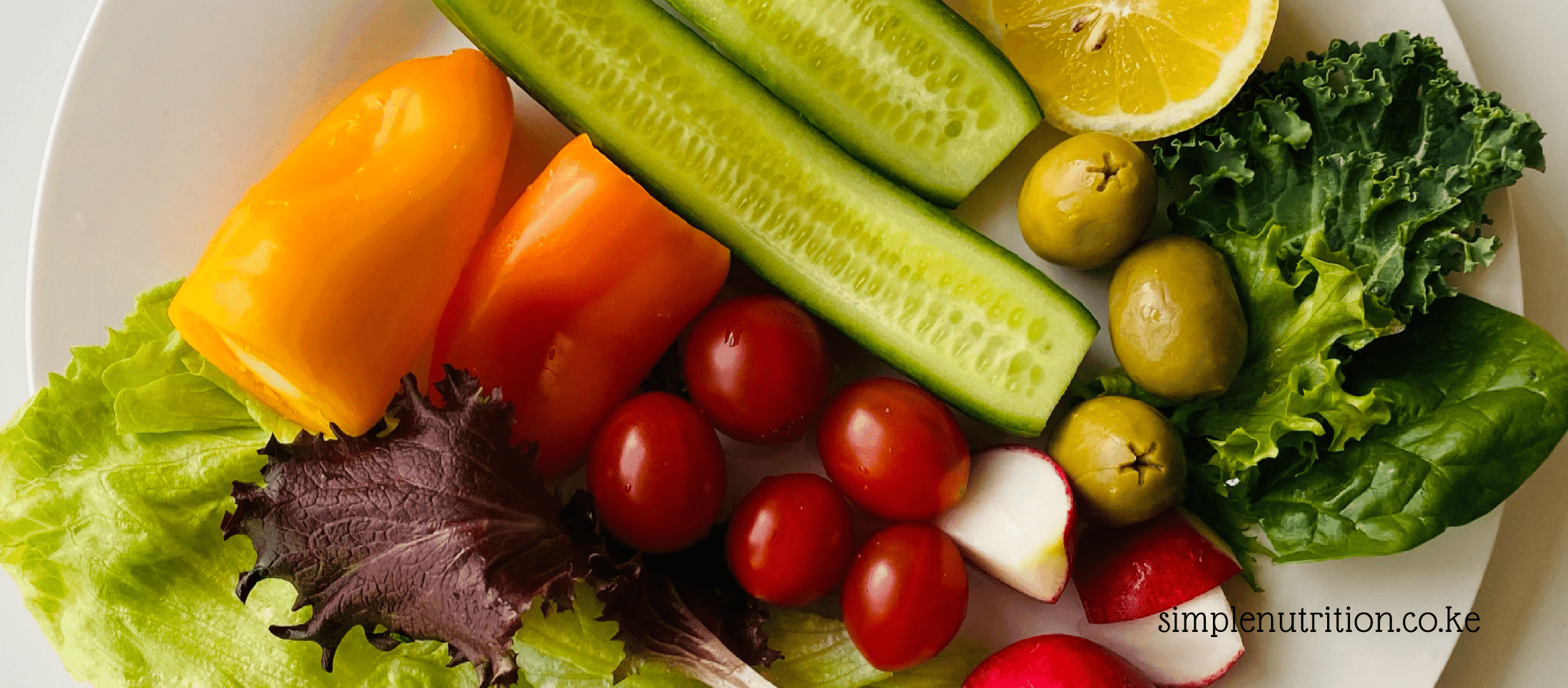
- Emphasize fruits and vegetables (apples, berries, cucumbers, leafy greens).
- Include starchy vegetables (potatoes, sweet potatoes, corn).
- Choose low-protein grains (white rice, pasta, white bread).
- Limit high-protein foods: meat, fish, poultry, dairy, eggs, legumes, and nuts.
- Use low-protein alternatives: specially formulated bread/pasta, plant-based milk, low-protein snacks.
- Control portion sizes of protein-rich foods.
- Balance meals with mostly vegetables and carbohydrates, keeping protein portions small.
- Read food labels to monitor protein content.
- Avoid high-protein supplements like bars, shakes, and powders.
- Cook vegetable-based dishes and use low-protein recipes with herbs and spices for flavor.
Discover more from Simple Nutrition
Subscribe to get the latest posts sent to your email.