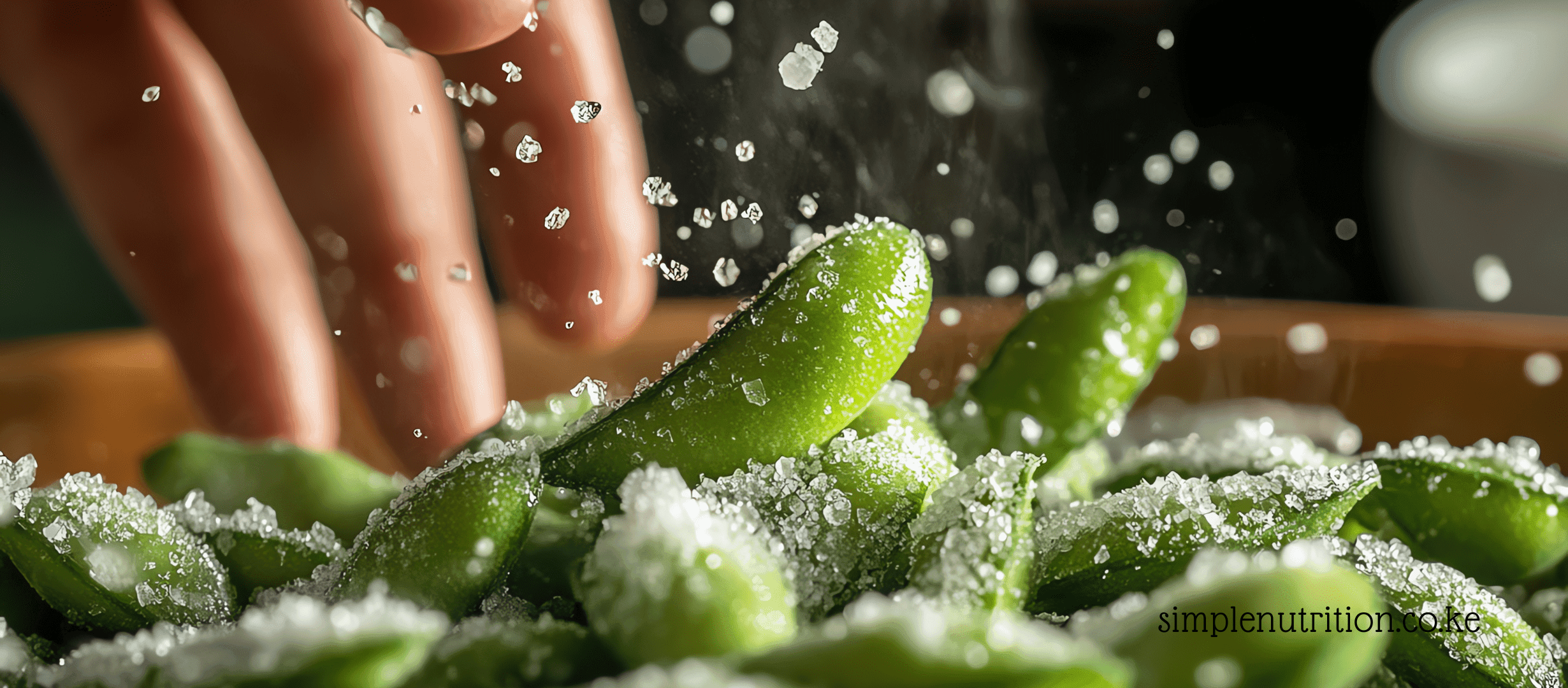

Restricting salt intake is important for several health reasons:
- Blood Pressure Control: High salt intake is strongly associated with high blood pressure (hypertension), which increases the risk of heart disease and stroke. Reducing salt helps maintain normal blood pressure levels.
- Heart Health: Excessive salt can lead to the retention of water in the bloodstream, increasing the volume of blood and the strain on the heart and blood vessels. This can contribute to heart disease.
- Kidney Health: High salt intake can impair kidney function and increase the risk of kidney disease. The kidneys regulate sodium balance, and too much salt can overwhelm their ability to do so effectively.
- Fluid Retention: Too much salt can cause the body to retain water, leading to swelling in the legs, ankles, and abdomen. This can exacerbate conditions like heart failure and kidney disease.
- General Health: Reducing salt intake can help prevent and manage conditions like diabetes, as high blood pressure and cardiovascular issues are common complications of diabetes.
High blood pressure and salt restriction
For people with conditions like hypertension, heart disease, or kidney disease, it is especially important to limit salt to protect overall health.
Restricting salt intake can significantly help manage and prevent high blood pressure (hypertension). Here’s how:
- Sodium and Fluid Retention: When you consume salt, which is high in sodium, your body retains more water to dilute the sodium in your bloodstream. This increased water retention raises the volume of blood circulating through your blood vessels, which in turn increases blood pressure.
- Blood Vessel Stiffness: High sodium levels can cause your blood vessels to stiffen and constrict. This narrowing of the blood vessels increases the resistance that the heart must overcome to pump blood, which further elevates blood pressure.
- Reducing Salt Reduces Pressure: When you reduce your salt intake, your body retains less water, which helps lower the overall blood volume. This decrease in blood volume reduces the pressure exerted on the walls of your blood vessels, thereby lowering blood pressure.
- Improved Medication Efficacy: For those on blood pressure medication, reducing salt intake can enhance the effectiveness of these drugs. High sodium intake can counteract the effects of medications designed to lower blood pressure, so cutting down on salt can lead to better control of hypertension.
Heart health and salt restriction
Restricting salt intake benefits heart health in several important ways:
- Lowers blood pressure – Helps reduce strain on the heart and arteries.
- Reduces heart workload – Prevents thickening of the heart muscle.
- Prevents fluid retention – Lowers blood volume and eases pressure on the heart.
- Cuts risk of heart attack and stroke – Protects arteries from damage.
- Improves vessel health – Keeps blood vessels flexible and functioning properly.
Kidney health and salt restriction
Restricting salt intake plays a crucial role in maintaining kidney health for several reasons:
- Controls blood pressure – Lower salt intake reduces hypertension, protecting the small blood vessels in the kidneys from damage.
- Reduces kidney strain – Less sodium means the kidneys work more efficiently and with less long-term stress.
- Prevents fluid retention – Minimizes excess fluid and pressure on the kidneys.
- Slows kidney disease progression – Helps manage blood pressure and fluid balance in people with chronic kidney disease (CKD).
- Lowers kidney stone risk – Reduces urinary calcium levels, decreasing the likelihood of stone formation.
How to reduce salt intake
Reducing salt intake is essential for maintaining heart health and managing conditions like high blood pressure. Here are some effective strategies:
- Use fresh ingredients – Choose fresh vegetables, fruits, and meats over processed or canned foods.
- Read labels – Pick products labeled low-sodium, reduced sodium, or no added salt.
- Cook at home – Control salt and flavor meals with herbs and spices instead.
- Reduce gradually – Cut back on salt slowly to retrain your taste buds.
- Limit processed foods – Avoid instant noodles, canned soups, ready meals, and salty snacks.
- Rinse canned foods – Washing beans or vegetables removes some sodium.
- Choose fresh or frozen – They usually contain less salt than canned options.
- Request less salt when dining out – Many restaurants will adjust on request.
- Watch condiments – Use soy sauce, ketchup, and dressings sparingly or choose low-sodium versions.
- Eat potassium-rich foods – Bananas, potatoes, and leafy greens help balance sodium’s effect on blood pressure.
Discover more from Simple Nutrition
Subscribe to get the latest posts sent to your email.