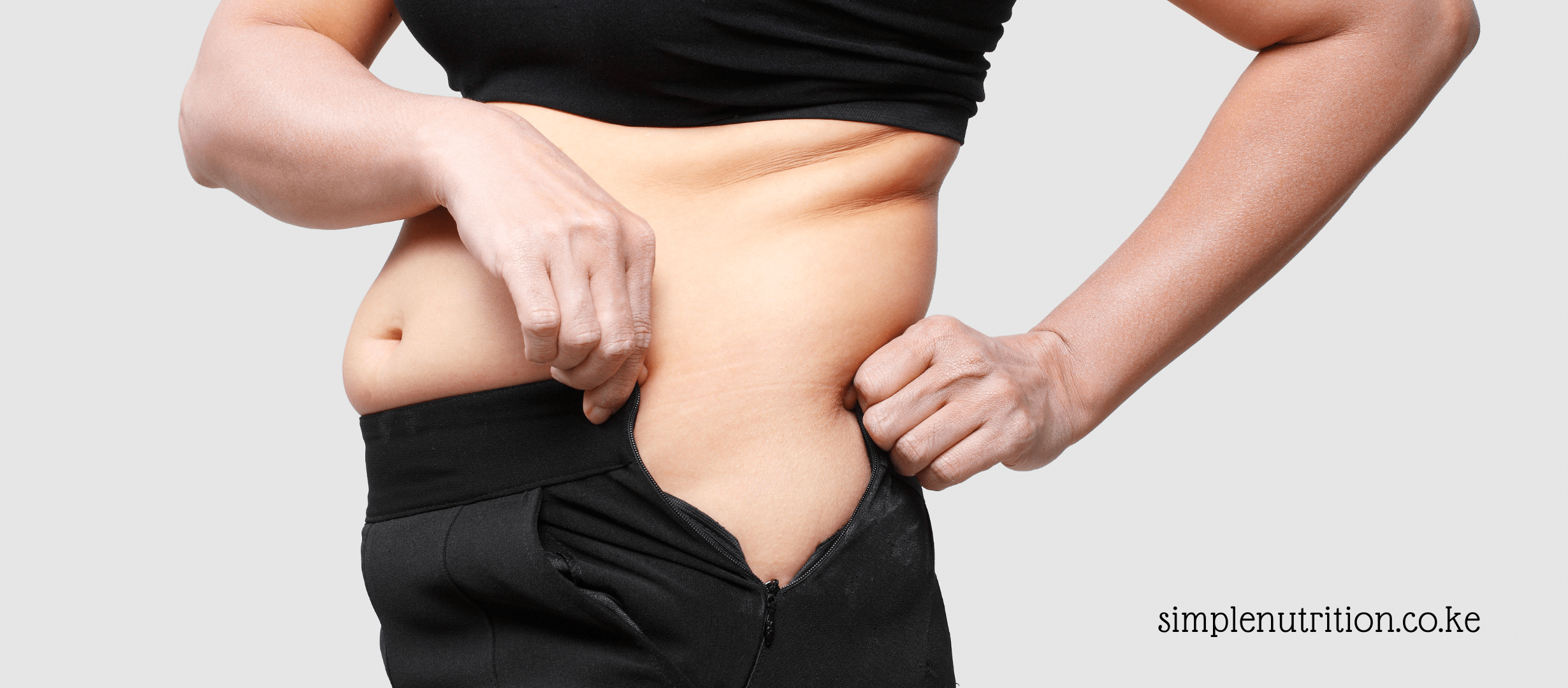

Many people worry about belly fat because of how it looks. But the bigger concern isn’t cosmetic—it’s what excess belly fat can do to your health.
Carrying too much fat around your waist is one of the strongest risk factors for developing type 2 diabetes. This type of fat can affect how your body responds to insulin, making it harder to keep blood sugar levels within a healthy range.
The good news? Even small reductions in belly fat can improve your health and lower your risk of diabetes.
Not All Body Fat Is the Same
Your body stores fat in different places.
There are two main types of belly fat:
1. Subcutaneous Fat
This is the fat just under your skin that you can pinch.
While having too much of it isn’t ideal, it’s generally less harmful than the second type.
2. Visceral Fat
Visceral fat is stored deep inside your abdomen, surrounding important organs such as the liver, pancreas, and intestines.
This is the type of fat most strongly linked to insulin resistance, type 2 diabetes, heart disease, and other health problems.
A person can have a relatively normal body weight but still carry excess visceral fat, especially around the waist.
How Belly Fat Leads to Diabetes
Visceral fat isn’t just a storage site for energy—it is metabolically active.
It releases hormones and inflammatory substances that interfere with the way insulin works.
Normally, insulin helps move glucose (sugar) from your bloodstream into your body’s cells, where it is used for energy.
When you have excess visceral fat, your cells become less responsive to insulin. This is known as insulin resistance.
As a result:
- Your pancreas produces more insulin.
- Blood sugar levels begin to rise.
- Over time, the pancreas may struggle to keep up with the body’s increased insulin demands.
- This can eventually lead to type 2 diabetes.
Signs You May Have Excess Belly Fat
You can’t tell exactly how much visceral fat you have just by looking in the mirror, but these signs may suggest increased risk:
- A waistline that has gradually increased over time.
- Clothes fitting more tightly around your abdomen.
- Weight concentrated around the stomach rather than the hips or thighs.
- A family history of type 2 diabetes combined with abdominal weight gain.
Your healthcare provider can assess your waist circumference and other risk factors to give a clearer picture of your health.
Other Health Risks of Belly Fat
Excess belly fat is linked to more than diabetes.
It also increases the risk of:
- High blood pressure
- Heart disease
- Stroke
- Fatty liver disease
- High cholesterol
- Sleep apnoea
- Some cancers
This is why reducing abdominal fat can improve your health in many ways—not just your blood sugar.
Why Belly Fat Develops
There isn’t a single cause.
Several factors can contribute, including:
- Eating more calories than your body needs.
- Low levels of physical activity.
- Poor sleep.
- Chronic stress.
- Genetics.
- Ageing.
- Hormonal changes, especially around menopause.
Usually, it’s a combination of these factors rather than one specific food or habit.
Can You Target Belly Fat?
One of the biggest myths is that doing hundreds of sit-ups or using “fat-burning” creams will remove belly fat.
Unfortunately, spot reduction isn’t possible.
Exercises that strengthen your abdominal muscles are good for core strength, but they don’t specifically burn fat from your stomach.
The most effective way to reduce belly fat is to lower your overall body fat through sustainable lifestyle habits.
Healthy Ways to Reduce Belly Fat
Eat More Fibre
Fibre helps you feel full and supports healthy blood sugar levels.
Choose foods such as:
- Sukuma wiki
- Spinach
- Managu
- Terere
- Beans
- Green grams (ndengu)
- Oats
- Whole fruits
- Brown rice
- Sweet potatoes
Include Protein in Every Meal
Protein helps control hunger and supports muscle maintenance.
Good choices include:
- Eggs
- Fish
- Chicken
- Plain yoghurt
- Beans
- Lentils
- Omena
Limit Sugar-Sweetened Drinks
Soft drinks, sweetened juices, energy drinks, and sugary tea or coffee can contribute to excess calorie intake.
Water should be your main drink.
Stay Physically Active
Aim for at least 150 minutes of moderate-intensity activity each week.
Examples include:
- Brisk walking
- Cycling
- Dancing
- Swimming
- Strength training
Resistance exercises help build muscle, which can improve insulin sensitivity.
Prioritize Sleep
Poor sleep can increase hunger hormones and make it harder to manage your weight.
Most adults should aim for 7–9 hours of quality sleep each night.
Manage Stress
Long-term stress can affect eating habits and contribute to weight gain in some people.
Helpful strategies include:
- Regular physical activity.
- Spending time with family and friends.
- Relaxation techniques.
- Adequate sleep.
- Seeking support when needed.
A Simple Waist-Friendly Plate
Use this guide to build balanced meals:
| Half Your Plate | One Quarter | One Quarter | Healthy Fat |
|---|---|---|---|
| Sukuma wiki, cabbage, spinach, managu, terere, kachumbari | Grilled fish, chicken, eggs, beans, ndengu | Brown rice, wholemeal ugali, sweet potatoes, nduma | Avocado or a small handful of groundnuts |
This approach helps increase fibre and protein while keeping meals balanced.
Common Myths About Belly Fat
| Myth | Fact |
|---|---|
| Belly fat is only a cosmetic issue. | Excess abdominal fat can significantly increase the risk of type 2 diabetes and heart disease. |
| Crunches burn belly fat. | They strengthen muscles but do not specifically reduce abdominal fat. |
| Only people with obesity get diabetes. | People of different body sizes can develop diabetes, although excess visceral fat increases the risk. |
| Skipping meals helps reduce belly fat. | Skipping meals may increase hunger and lead to overeating later in the day. |
When Should You Talk to a Healthcare Provider?
Consider speaking with your healthcare provider if you:
- Have a strong family history of diabetes.
- Notice increasing waist size.
- Have been told you have prediabetes.
- Experience increased thirst, frequent urination, or unexplained weight loss.
- Have concerns about your weight or blood sugar.
Early screening and lifestyle changes can help reduce the risk of developing type 2 diabetes.
Remember
Belly fat is more than a cosmetic concern—it can have a significant impact on your metabolic health. Excess fat around the abdomen, particularly visceral fat, increases insulin resistance and raises the risk of developing type 2 diabetes.
The encouraging news is that you don’t need dramatic changes to improve your health. Eating balanced meals, staying physically active, getting enough sleep, and maintaining a healthy weight can gradually reduce belly fat and improve how your body uses insulin.
Remember, the goal isn’t to achieve a “perfect” body. It’s to build healthy habits that protect your long-term health and reduce your risk of chronic disease.
Discover more from Simple Nutrition
Subscribe to get the latest posts sent to your email.