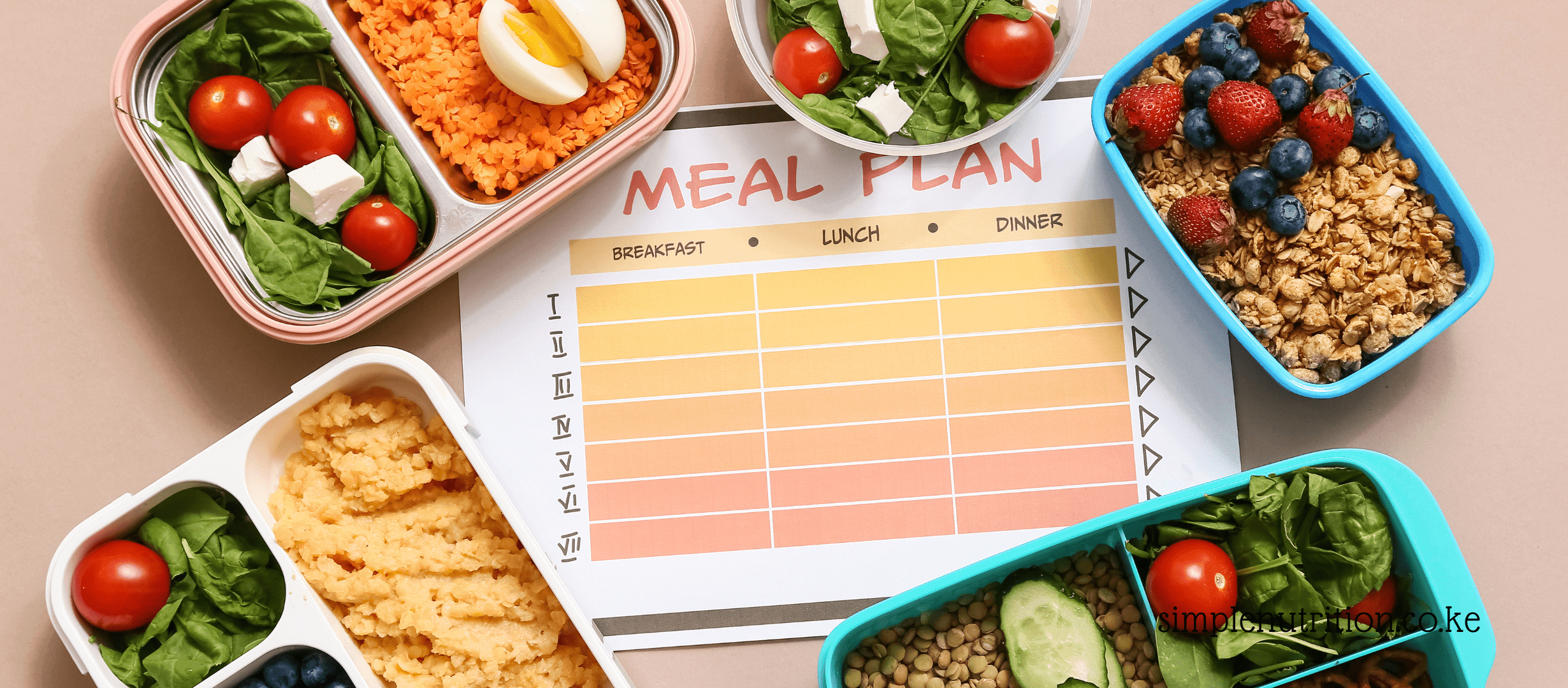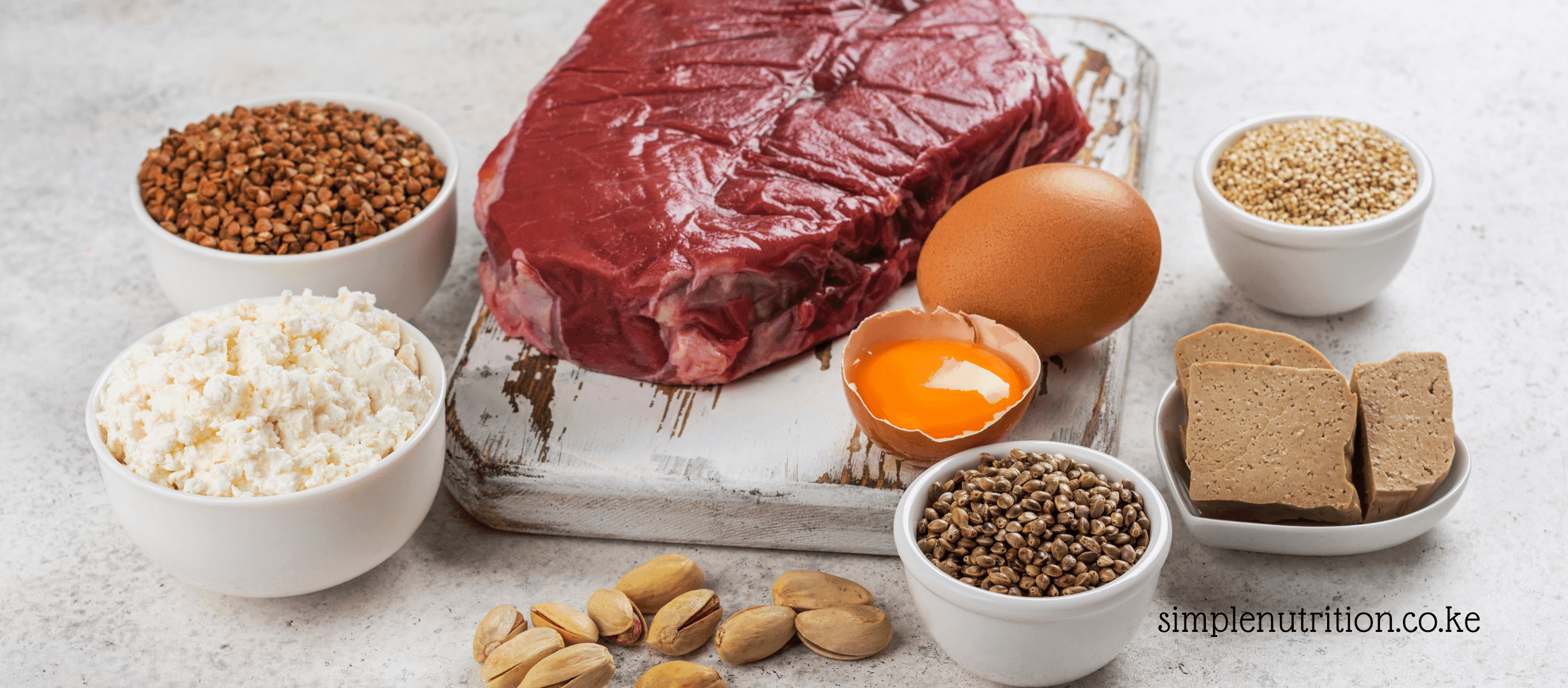

A high-protein diet is one of the most effective nutrition strategies for weight management, blood sugar control, muscle maintenance, and long-lasting satiety. The good news is you do not need expensive supplements to increase your protein intake. With proper planning, you can meet your protein needs using affordable, locally available foods.
This guide breaks it down into simple, practical steps.
Why Protein Matters
Protein is essential for:
- Muscle repair and maintenance
- Hormone and enzyme production
- Stronger immunity
- Blood sugar stability
- Appetite control (protein keeps you full longer than carbohydrates)
For most adults, a practical target for a high-protein eating pattern is:
| Goal | Protein Intake |
|---|---|
| General health | 0.8–1.0 g per kg body weight |
| Weight loss | 1.2–1.6 g per kg body weight |
| Muscle gain | 1.6–2.2 g per kg body weight |
Example: A 70 kg adult aiming for weight loss may need 84–112 g of protein per day.
Step 1: Build Every Meal Around a Protein Source
Instead of treating protein as a side item, make it the foundation of each meal.
Affordable Animal Protein Sources
| Food | Portion | Protein (approx.) |
|---|---|---|
| Eggs | 1 egg | 6 g |
| Milk | 1 cup (250 ml) | 8 g |
| Mala / fermented milk | 1 cup | 8–10 g |
| Chicken (cooked) | Palm-size piece | 20–25 g |
| Beef (lean) | Palm-size piece | 20–25 g |
| Fish (tilapia, omena) | Palm-size | 18–22 g |
| Liver | Palm-size | 20 g |
Budget tip: Eggs, omena, and milk are among the most cost-effective protein sources.
Affordable Plant Protein Sources
| Food | Portion (cooked) | Protein (approx.) |
|---|---|---|
| Beans | 1 cup | 14–16 g |
| Lentils (kamande, ndengu) | 1 cup | 15–18 g |
| Chickpeas | 1 cup | 14–15 g |
| Green grams (ndengu) | 1 cup | 14 g |
| Peas | 1 cup | 8 g |
| Groundnuts | Small handful | 7–9 g |
| Peanut butter | 2 tablespoons | 8 g |
| Soya chunks | 1 cup | 20+ g |
Plant proteins become higher quality when combined, for example beans with maize or lentils with rice.
Step 2: Distribute Protein Throughout the Day
Many people consume most of their protein at dinner. For better muscle maintenance, appetite control, and blood sugar balance, spread protein intake across the day.
Example of a High-Protein Day Without Supplements
Breakfast
2 eggs (12 g)
1 cup milk in tea or porridge (8 g)
Total: about 20 g
Mid-morning snack
Mala (1 cup) or a handful of groundnuts
8–10 g
Lunch
1 cup beans or lentils (15 g)
Small portion of rice or ugali
Vegetables
Total: about 15 g
Afternoon snack
Peanut butter sandwich or a boiled egg
7–12 g
Dinner
Palm-size chicken, fish, or lean beef (20–25 g)
Vegetables and a small starch portion
Total: 20–25 g
Daily total: approximately 70–85 g of protein, which is adequate for many adults.
Step 3: Upgrade Common Meals to High-Protein Versions
| Usual Meal | Make It Higher in Protein |
|---|---|
| Plain porridge | Cook with milk or add peanut butter |
| Tea and bread | Add eggs, peanut butter, or drink milk |
| Rice only | Add beans, lentils, or beef stew |
| Ugali and sukuma wiki | Add eggs, omena, or beans |
| Chapati as a snack | Pair with mala or boiled eggs |
Small adjustments like these can double the protein content of everyday meals.
Step 4: Use Protein to Control Hunger
Protein helps reduce cravings and overeating by increasing satiety.
Practical strategies:
- Eat a protein-rich breakfast to reduce snacking later
- Include a protein source in every snack
- Avoid carbohydrate-only meals such as plain tea with mandazi
Better snack options include boiled eggs, mala or yogurt, roasted groundnuts, milk, and bean salad.
Step 5: Balance Is Still Important
A high-protein diet does not mean eliminating carbohydrates or eating excessive amounts of meat.
A balanced plate should include:
- Protein: palm-size portion
- Vegetables: half the plate
- Whole carbohydrates: small portion such as ugali, rice, or sweet potatoes
- Healthy fats: avocado, groundnuts, or seeds
Who Should Be Careful With High Protein?
Higher protein intake may require medical guidance for:
- People with kidney disease
- Advanced liver disease
- Certain metabolic disorders
For most healthy adults, a moderate increase in protein from whole foods is safe and beneficial.
You do not need protein powders to eat a high-protein diet. Eggs, beans, lentils, milk, fish, and groundnuts are affordable and accessible options. Include protein in every meal and snack, and spread intake throughout the day for better appetite and blood sugar control. Combining plant proteins improves overall protein quality.
A high-protein diet becomes simple and sustainable when you focus on local foods, proper portions, and consistent meal planning.
Discover more from Simple Nutrition
Subscribe to get the latest posts sent to your email.