
Improving your health does not require extreme diets or intense motivation. Most healthy outcomes come from small, repeated decisions. A useful mental shortcut is asking: “What would a healthy person do right now?” This question helps you pause, think, and respond intentionally instead of acting on impulse.
Here is how to apply this in real-life situations.
When Choosing What to Eat
A healthy person does not just ask “What am I craving?” They consider how food will affect their energy, hunger, and health later.
Practical examples:
- At breakfast: Add protein. Instead of tea and bread only, include eggs, peanut butter, yogurt, or milk.
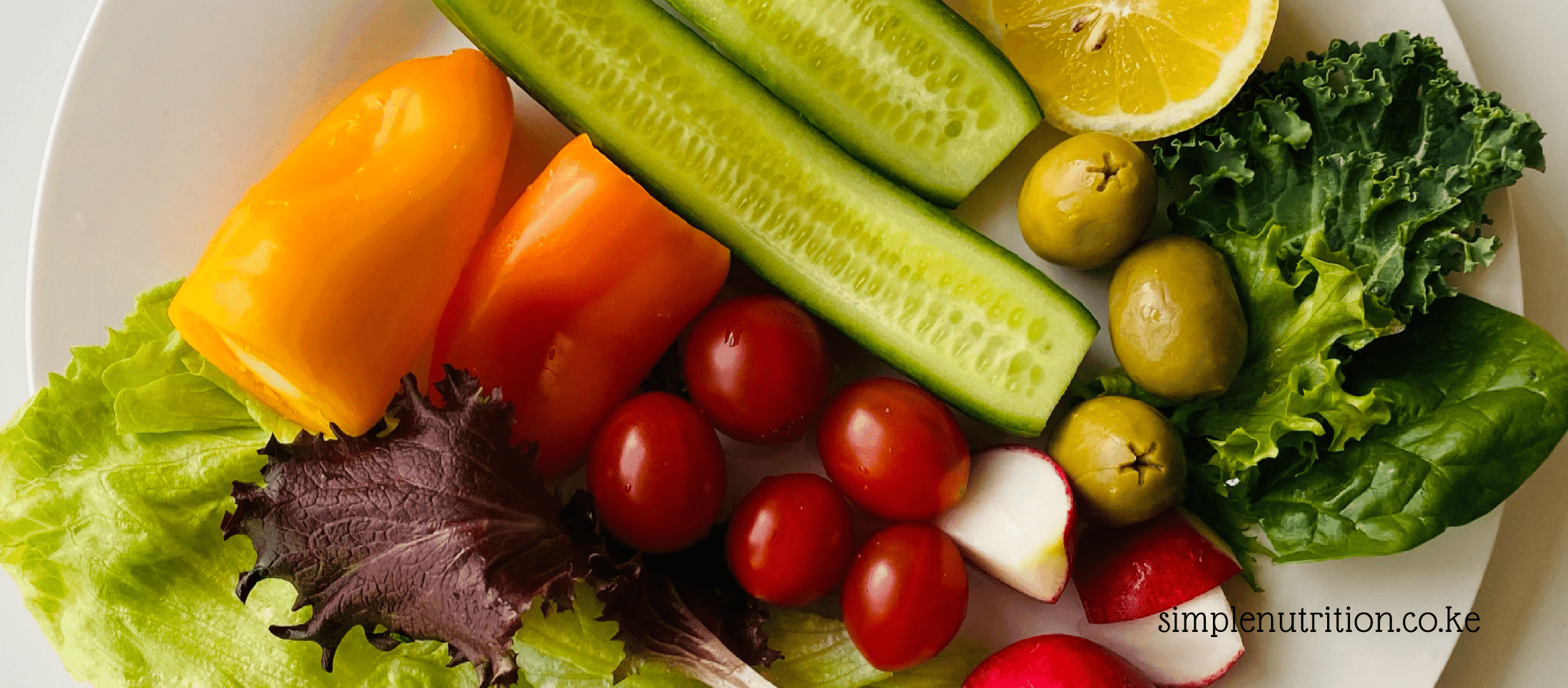
- At lunch: Build a balanced plate — half vegetables, a quarter protein (beans, lentils, eggs, chicken, fish, beef), and a quarter whole grains or starchy foods.
- At snack time: Choose foods that satisfy hunger, not just cravings — fruit with nuts, yogurt, boiled maize, or a boiled egg.
- When eating out: You do not have to avoid your favorite foods. Just add balance. If you have chips, include salad and a protein instead of chips alone.
Ask yourself: Will this keep me full and energized for the next few hours?
When You Feel Like Overeating
A healthy person checks in with their body before continuing to eat.
Try this:
- Pause halfway through your meal.
- Rate your hunger from 1 (starving) to 10 (too full).
- Aim to stop around 6–7 (comfortably satisfied).
If you want more food, ask: Am I still hungry, or just enjoying the taste? If it is just taste, you can save the rest for later.
When You Think About Skipping Exercise
A healthy person focuses on consistency, not intensity.
Practical approach:
- No time for a full workout? Walk for 15 minutes.
- Tired after work? Stretch or do light movement instead of doing nothing.
- Busy day? Take stairs, walk while on phone calls, or do short activity breaks.
Ask: What is the minimum movement I can do today to take care of my body?
Something is always better than nothing.
When You Want to Stay Up Late
A healthy person protects sleep because it affects hunger, weight, mood, and blood sugar control.
Simple actions:
- Set a “go to bed” alarm, not just a wake-up alarm.
- Stop screens 30–60 minutes before sleep if possible.
- Avoid heavy meals right before bed.
Ask: Will staying up help me tomorrow, or make it harder to eat well and stay active?
When You Are Stressed and Want to Eat
A healthy person understands that stress and emotions often trigger eating, even without hunger.
Next time stress hits:
- Drink water first.
- Take a 5–10 minute walk.
- Step outside for fresh air.
- Call or message someone you trust.
- Take a few slow, deep breaths.
Then ask: Do I need food right now, or do I need relief, rest, or support?
If you are truly hungry, eat. If not, try another coping tool first.
When You Feel Like Giving Up After an “Unhealthy” Choice
A healthy person does not quit after one poor choice. They reset quickly.
Instead of thinking:
“I have already messed up today.”
Shift to:
“What would a healthy person do next?”
That might mean:
- Drinking more water
- Having a balanced next meal
- Going for a short walk
- Sleeping on time
One meal, one snack, or one missed workout does not ruin your health. Repeated habits matter more than single events.
Make This Question a Daily Habit
Use “What would a healthy person do?” in small, everyday moments:
- At the shop deciding what to buy
- At a party choosing portion sizes
- When deciding between sitting or moving
- When choosing your bedtime
- After a setback
You do not need perfect behavior. You need slightly better decisions, made more often. Over time, these small choices shape your routines, and your routines shape your health.
Discover more from Simple Nutrition
Subscribe to get the latest posts sent to your email.