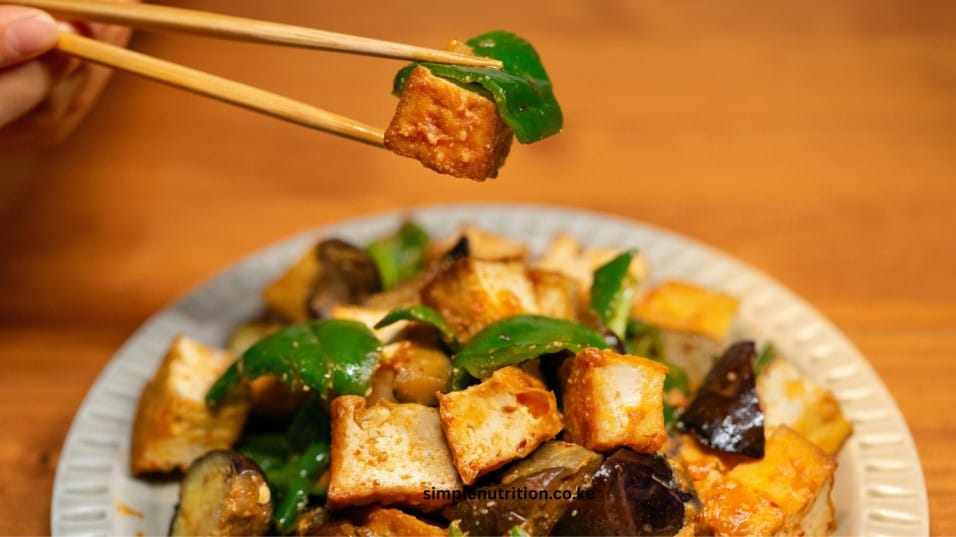

A quick, colourful and protein-rich meal made with chicken, cabbage, carrots, bell pepper and onions. It’s an easy way to include more vegetables in your meals while keeping the cooking time short.
Ingredients — 2 servings
- 250 g boneless chicken breast or skinless chicken thigh, sliced into thin strips
- 1 cup shredded cabbage
- 1 medium carrot, thinly sliced
- ½ medium bell pepper (hoho), sliced
- ½ medium onion, sliced
- 1 small tomato, chopped
- 1 clove garlic, minced
- 1 teaspoon fresh grated ginger
- 2 teaspoons cooking oil
- ½ teaspoon black pepper
- ½ teaspoon paprika
- Small pinch of salt
- 1 tablespoon water, if needed
- 1 tablespoon chopped dhania (coriander), optional
To Serve
Choose one:
- ½–¾ cup cooked rice
- 1 small serving of ugali
- 1 medium boiled sweet potato
- 1 small chapati
How to Make It
- Slice the chicken into thin, evenly sized strips.
- Season with paprika, black pepper and a small pinch of salt.
- Heat 1 teaspoon of oil in a large pan over medium-high heat.
- Add the chicken and cook for about 5–7 minutes, turning occasionally, until completely cooked through.
- Remove the chicken and set aside.
- Add the remaining teaspoon of oil to the same pan.
- Add the onion, garlic and ginger. Stir for about 30 seconds.
- Add the carrot, cabbage and bell pepper.
- Stir-fry for 3–4 minutes, keeping the vegetables slightly crisp.
- Add the tomato and cooked chicken.
- Toss everything together and cook for another 1–2 minutes.
- Add a tablespoon of water if the mixture becomes too dry.
- Finish with fresh dhania and serve immediately.
Nutrition Information
Approximate nutrition per serving of chicken and vegetables, without the accompanying carbohydrate:
| Nutrient | Amount |
|---|---|
| Energy | ~300 kcal |
| Protein | ~34 g |
| Carbohydrates | ~15 g |
| Fat | ~11 g |
| Fibre | ~5 g |
Values are estimates and will vary depending on the cut of chicken and exact amount of oil used.
Adding rice, ugali, sweet potato or chapati will increase the total energy and carbohydrate content.
Key Nutrients
Protein: Chicken provides high-quality protein that supports muscle maintenance and repair.
Vitamin A: Carrots contribute beta-carotene, which the body can convert to vitamin A.
Vitamin C: Bell peppers and cabbage provide vitamin C, which supports normal immune function and helps with the absorption of non-haem iron from plant foods.
Fibre: The vegetables contribute fibre, supporting digestive health and fullness.
B vitamins: Chicken provides several B vitamins involved in energy metabolism and normal cellular function.
Nutritious Cooking Method: Quick Stir-Frying
The key to this recipe is quick cooking over moderately high heat with a small amount of oil.
You don’t need to deep-fry the chicken or cook the vegetables until they’re soft and overcooked.
Quick stir-frying keeps the vegetables colourful and crisp while allowing you to prepare the meal in a short amount of time.
Secret Ingredient: Fresh Ginger
The secret ingredient is fresh ginger.
Ginger adds a warm, slightly spicy flavour that makes the stir-fry more interesting without needing large amounts of salt or bottled sauces.
Fresh ginger also contains naturally occurring bioactive compounds, including gingerols.
Nutritionist’s Tip
Don’t let the chicken take over the whole plate.
Chicken is a great protein source, but a nutritious meal should contain more than protein.
Make the vegetables a significant part of the meal.
A simple approach is:
½ plate vegetables + ¼ plate chicken + ¼ plate carbohydrate
For example, serve the stir-fry with a moderate portion of ugali or rice and plenty of the vegetables.
For Weight Management
This recipe is naturally high in protein and vegetables, which can make it a satisfying meal.
The biggest things to watch are:
- The amount of cooking oil
- The chicken portion
- The amount of rice, ugali or chapati served alongside it
- High-calorie sauces
You don’t need to avoid carbohydrates. Instead, keep the portion appropriate for your individual needs.
For Better Blood-Sugar Balance
To make the meal more blood-sugar friendly:
- Increase the vegetable portion.
- Keep the starch portion moderate.
- Pair the carbohydrate with the chicken and vegetables.
- Avoid sweetened sauces.
- Choose water or an unsweetened drink alongside the meal.
If you’re managing diabetes, your ideal carbohydrate portion should be individualized according to your overall meal plan.
Want More Fibre?
Add extra cabbage, spinach, sukuma wiki, broccoli or green beans.
You can also serve the stir-fry alongside a small portion of beans or ndengu.
Want a More Affordable Version?
Chicken breast isn’t the only option.
You can use skinless chicken thighs or reduce the chicken slightly and add beans, ndengu or more vegetables.
The goal is to build a nutritious meal—not to make every meal expensive.
Simple Nutrition Snapshot
Preparation: Easy
Time: 20–25 minutes
Cost: Moderate
Best for: Lunch or dinner
Cooking skill: Beginner-friendly
Meal type: High-protein, vegetable-rich
The Simple Nutrition Takeaway
Healthy cooking doesn’t have to mean complicated cooking.
With a small amount of oil, plenty of vegetables and a good source of protein, you can turn familiar ingredients into a balanced meal in less than 30 minutes.
The secret is simple: use more vegetables, control the oil, choose a sensible carbohydrate portion and let herbs and spices do the work of adding flavour.
Discover more from Simple Nutrition
Subscribe to get the latest posts sent to your email.